Skyline and bridges
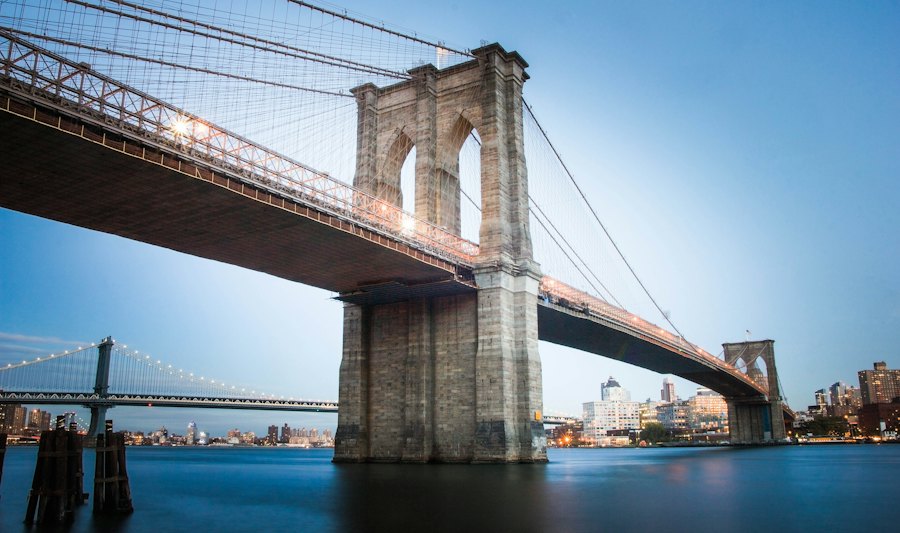
Walk the Brooklyn Bridge from Brooklyn toward Manhattan for the skyline, ideally at sunrise before the crowds.
Photo: Alexander Rotker on Unsplash
Photo: Emily Kessler on Unsplash
View Full Gallery (3)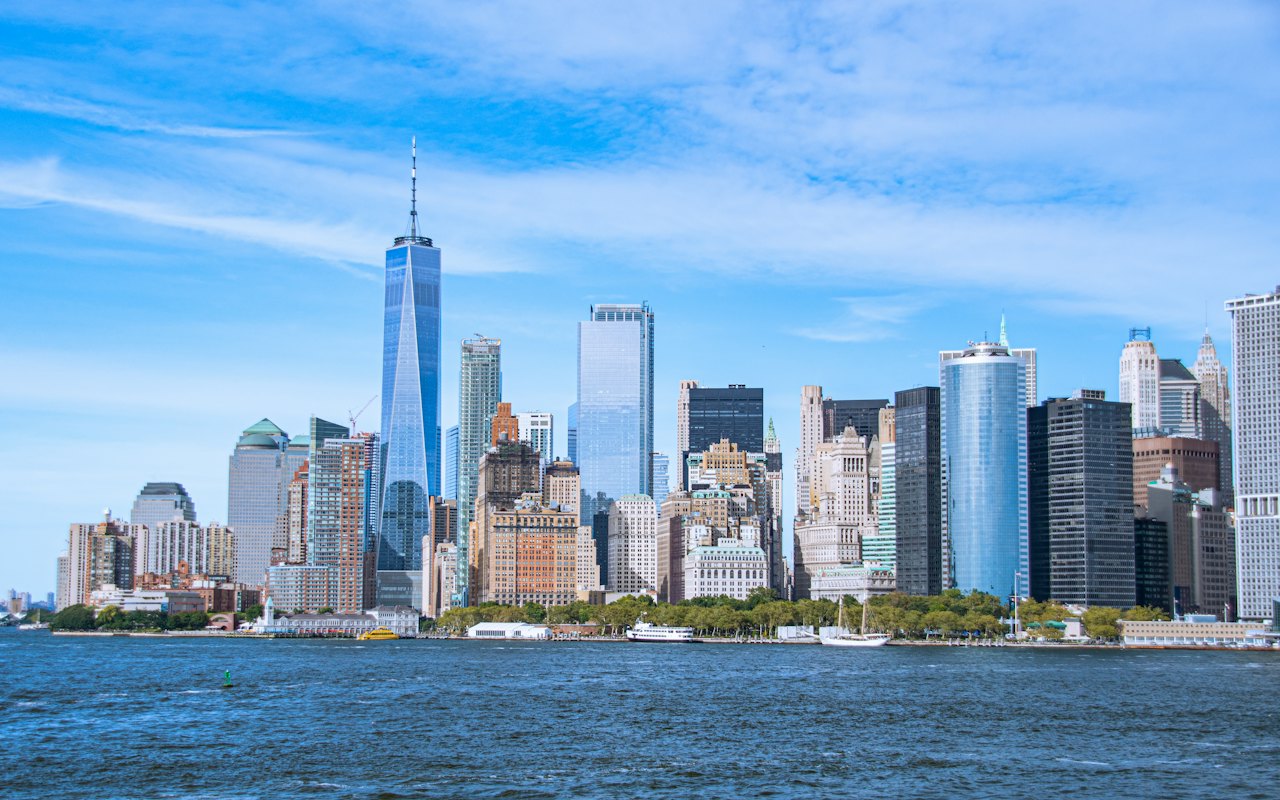
Overview
New York City is the ultimate urban adventure — 8 million people, 8 million stories. The Met, Central Park, a slice from a corner pizza place, the High Line at golden hour. No city quite matches its energy.
New York is a city you plan badly on purpose. Pick one neighbourhood a day, walk a lot and let the rest sort itself out. A subway ride costs $3 (≈ €2.70 / £2.40), the Staten Island Ferry is free, and a slice from a corner pizzeria runs a few dollars. The big museums are worth the ticket, while the rest of the city costs less than you fear. Be honest about hotels: they are among the world's priciest, and weekday rates in the shoulder months are the best bet. Times Square at night is the cliché to see once and leave. Spring and autumn are the best seasons.
Walk the Brooklyn Bridge from Brooklyn toward Manhattan for the skyline, ideally at sunrise before the crowds.
The Met and MoMA need half a day each. Same-day theatre tickets are the cheaper route to a show. Observation decks (Summit One Vanderbilt, Edge, the Empire State Building) cost about $45–85 (≈ €40–75 / £35–65) for a timed ticket, and Broadway seats $70–250 (≈ €60–220 / £55–195)+.
From dumplings in Flushing to bagels on the Lower East Side, the best food is in the outer boroughs. A slice, bagel with lox, pastrami sandwich or cart meal costs about $5–15 (≈ €4.46–13 / £3.94–12), a sit-down neighbourhood dinner $30–60 (≈ €25–55 / £25–45) before drinks and tip, and steakhouses or tasting menus $150–350 (≈ €135–310 / £120–280)+.
Best time
Best months for most visitors: Apr–Jun & Sep–Nov. Good weather, thinner crowds and fairer prices.
The best months for comfortable weather against prices are April to June and September to October.
Peak season covers July and August, when the heat and humidity can be punishing, and again November to December, when Thanksgiving, the Rockefeller tree and the holiday windows fill hotels.
January to March is cold, with freezing mornings, occasional snow and short days.
Booking window: reserve flights and stays 2–3 months ahead for Apr–Jun & Sep–Nov, and 4–6 months ahead for peak season (Jul–Aug, Nov–Dec).
Partner links. We earn a commission at no extra cost to you; sponsors never change a ranking or safety note. How we earn money →
Weather
Current temperature loads here when your browser can reach Open-Meteo.
Weather data: Open-Meteo Historical & Live API. A single reading for the main town or area, not the whole destination.
Peak season about 29°C / 84°F; shoulder season about 17°C / 63°F.
Rain: Moderate, year-round.
The best weather: mild days, golden light and fewer humid spells.
July can hit 35°C / 95°F (95°F) with humidity; January is cold with snow possible.
Expect the highest room rates of the year, long queues at big attractions and fully booked weekends.
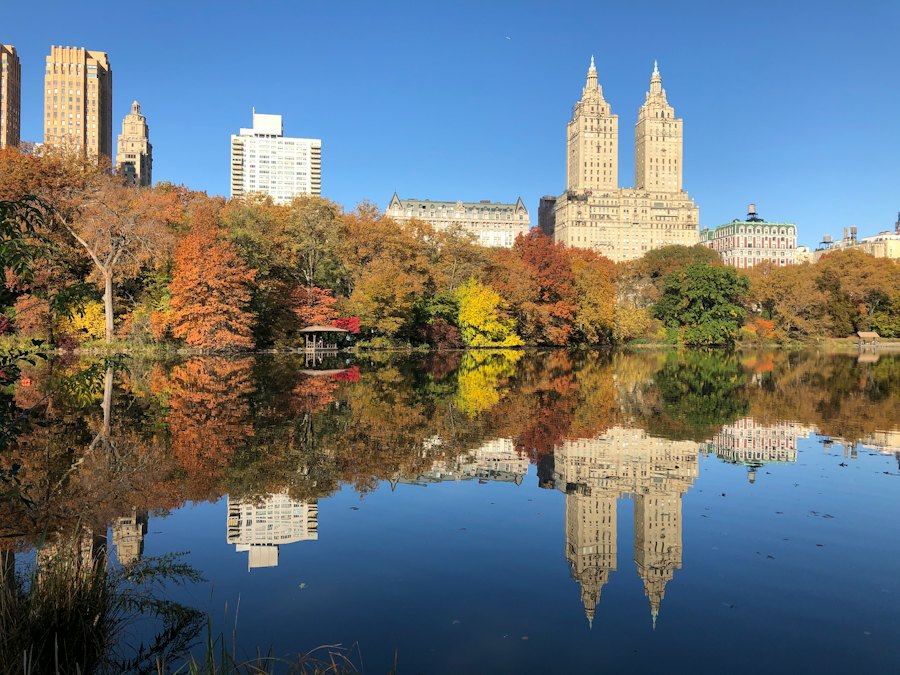
Spring brings blossom in Central Park and mild walking temperatures, while autumn has clear light, colour in the parks and settled days. Hotel rates are still high, but weekday prices are noticeably lower than in summer and December, and attractions are easier to book.
It is also the cheapest period for hotels, and museums, restaurants and Broadway shows are far easier to book. Pack a proper coat and treat Restaurant Week and winter theatre deals as part of the draw.
Weather data: Open-Meteo Historical & Live API (live reading). Typical highs and season notes are our own summaries. How we verify →
Safety
Last updated: government levels come from our editor-verified table (October 2026). When the live UK FCDO check succeeds, its exact UTC time appears in the panel below. The banner takes the most cautious of the five agencies, so a live UK warning always outranks a green entry in our table and any part-country warning shows as red. We never show a level we haven’t checked. How we verify →
Government levels: editor-verified table, October 2026 How we verify →
Five official agencies, one view. Ratings change, so each pill opens the agency’s own page for today’s level.
Tier 4/5 · Standard caution. Normal precautions: petty crime and pickpocketing in busy areas.
The UK FCDO, US State Department and Australian DFAT generally treat the United States, including New York, as a country where normal precautions apply. Their advice tends to mention petty theft in crowded areas, the cost of healthcare for visitors, and entry requirements. Policies and local conditions change, so check the official pages from all three before booking and again before you fly.
Our plain-English summary of what the UK FCDO, US State Department, Australian Smartraveller, Japan MOFA and South Korea MOFA publish. We quote no live ratings from memory; each button above opens the agency's own page.
Our opinion, not an official warning
Regional nuance: US advice is routine. Regional nuance is mostly weather: winter storms, summer heat and hurricane-season coastal flooding.
The concerns that are real: Pickpocketing on packed subway trains and around Times Square is the most common issue. Watch for unofficial ticket sellers, costume characters demanding tips, and unlicensed airport taxi touts. Use yellow cabs or ride apps, never accept rides from strangers, and have travel insurance because medical care is very expensive. The FCDO also says terrorists are very likely to try to carry out attacks in the US, including in crowded places and on transport, so stay aware of your surroundings; it describes violent crime as rarely affecting tourists.
What headlines overstate: Headlines about subway crime and street incidents make the city sound more dangerous than most visitors find it. Tourist areas are heavily policed and most trips are uneventful. The more realistic risks are theft, scams and unexpectedly high bills.
Written by our editors from general travel knowledge and kept apart from the agencies above. How we verify →
Costs
Backpacker
$135 (≈ €120 / £105) per person per day
What it covers: Hostel dorm bed, pizza slices and street-cart or food-hall meals, subway and walking, free sights such as the Staten Island Ferry, the High Line and Central Park.
Mid-Range (default)
$300 (≈ €270 / £240) per person per day
What it covers: Boutique or midtown three-star room shared by two, sit-down lunches and casual dinners with tip, one major museum or show each day, subway and the occasional taxi.
Boutique
$660 (≈ €590 / £520) per person per day
What it covers: Four- or five-star hotel in Manhattan, tasting menus or top steakhouses, Broadway orchestra seats, private tours, car services and cocktail bars throughout the day.
Cost source: Audited Local Lodging Taxes, Rail Tariffs & Dining Averages (our own estimates, flights excluded). How we verify →
Source: Should I Go's own estimates, October 2026, in USD per person excluding international flights; euro figures are rough conversions. A couple shares a room, so accommodation drops 25% per person. Prices move, so treat these as a planning range, not a quote.
Estimated total: $0 (≈ €0 / £0)
Estimate in USD per trip, excluding international flights. Two or more travellers share rooms, so accommodation drops 25% per person. Budget and luxury tiers are scaled from the mid-range figure.
Cost source: Audited Local Lodging Taxes, Rail Tariffs & Dining Averages (our own estimates, flights excluded). How we verify →
Where to base yourself
Times Square, Broadway and the major landmarks. Convenient but crowded and costly.
The Brooklyn Bridge, Dumbo and Williamsburg. A calmer, local feel.
Museums, Central Park and quieter streets.
Great food and less tourism. Reach by subway.
Itineraries
Getting between stops: Subway and ferries; OMNY tap-to-pay caps your fares at $35 (≈ €30 / £30) in any seven days.
Getting between stops: Subway lines link all of these; allow time for delays.
Getting between stops: Metro-North trains reach the Hudson Valley in about 1.5 hours.
Routes and timetables change. Confirm transit times with the operator before you book.
Do and stay
Best for: First-timers
Pros: Central for Broadway, Grand Central, Penn Station and the Empire State Building, with many subway lines and the widest range of hotels at every price. Rooms cost about $140–220 (≈ €125–195 / £110–175) a night for pod-style or outer-borough hotels, $280–450 (≈ €250–400 / £220–350) for boutique and business hotels in Midtown, SoHo and Chelsea, and $650–1,200 (≈ €580–1,070 / £510–940)+ at classics such as The Plaza or The Carlyle.
Watch for: Crowded and touristy, with few neighbourhood restaurants. Rooms are small and pricey, and the area is quiet at night outside the theatre district.
Best for: Atmosphere
Pros: Cobbled streets, good restaurants and easy reach of the Brooklyn Bridge, the 9/11 Memorial and the Staten Island Ferry. Stylish boutique hotels and fast subway links.
Watch for: Prices are among the highest in the city, and the Financial District is empty at weekends. Weekday and event rates can spike.
Best for: Value
Pros: Often cheaper than Manhattan for comparable rooms, with strong cafes, bars and markets. A quick subway or ferry ride gets you to Manhattan's main sights.
Watch for: Newer hotels can still be pricey at weekends, and you will spend time commuting. Some streets feel quiet or industrial late at night.
These are partner links. We may earn a commission at no extra cost to you.
Trade-offs
Final verdict
Editorial opinion from Should I Go, written from general travel knowledge and reviewed periodically. Verify prices, entry rules and advisories before you book.
Typical costs and rules change; confirm with official sources before you travel.
Four to five days is a good first visit. That is enough for one or two big museums, a Broadway show, the Brooklyn Bridge, Central Park and a couple of neighbourhoods without rushing. A long weekend works if you plan carefully and stay in Manhattan, but you will need to choose what to leave out.
Yes, in general. Tourist areas are busy and well policed, and most visits pass without incident. The main risks are pickpocketing on crowded subways and scams around Times Square. Keep bags zipped, use official taxis or apps, and check the current UK, US and Australian government advice before travel. Most visitors report nothing worse than a crowded train, and common sense about bags and phones covers nearly every real risk.
January to March is usually the cheapest, with lower hotel rates and easier bookings, but it is cold. September and early October can offer better weather and lower weekday prices than summer. Avoid the late November to December holiday period and major event weeks if you are watching your budget.
Get live weather, activities, travel advisories, and personalised tips for New York City, USA
Check New York City, USA Now →Have you visited New York City, USA? Was it worth it? Readers can vote: Worth Every Penny, Great in Shoulder Season Only, or Overrated / Skip It.