Reine and Hamnøy
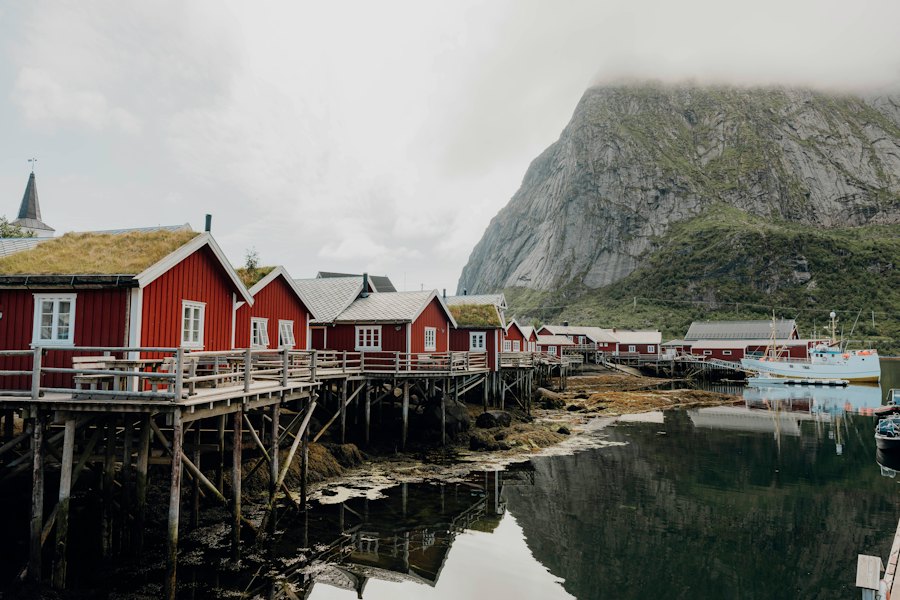
The fishing villages sit under steep peaks. Photograph at dawn or dusk.
Photo: Alexandre St-Aubin on Unsplash
Photo: Dinuka Lankaloka on Unsplash
View Full Gallery (3)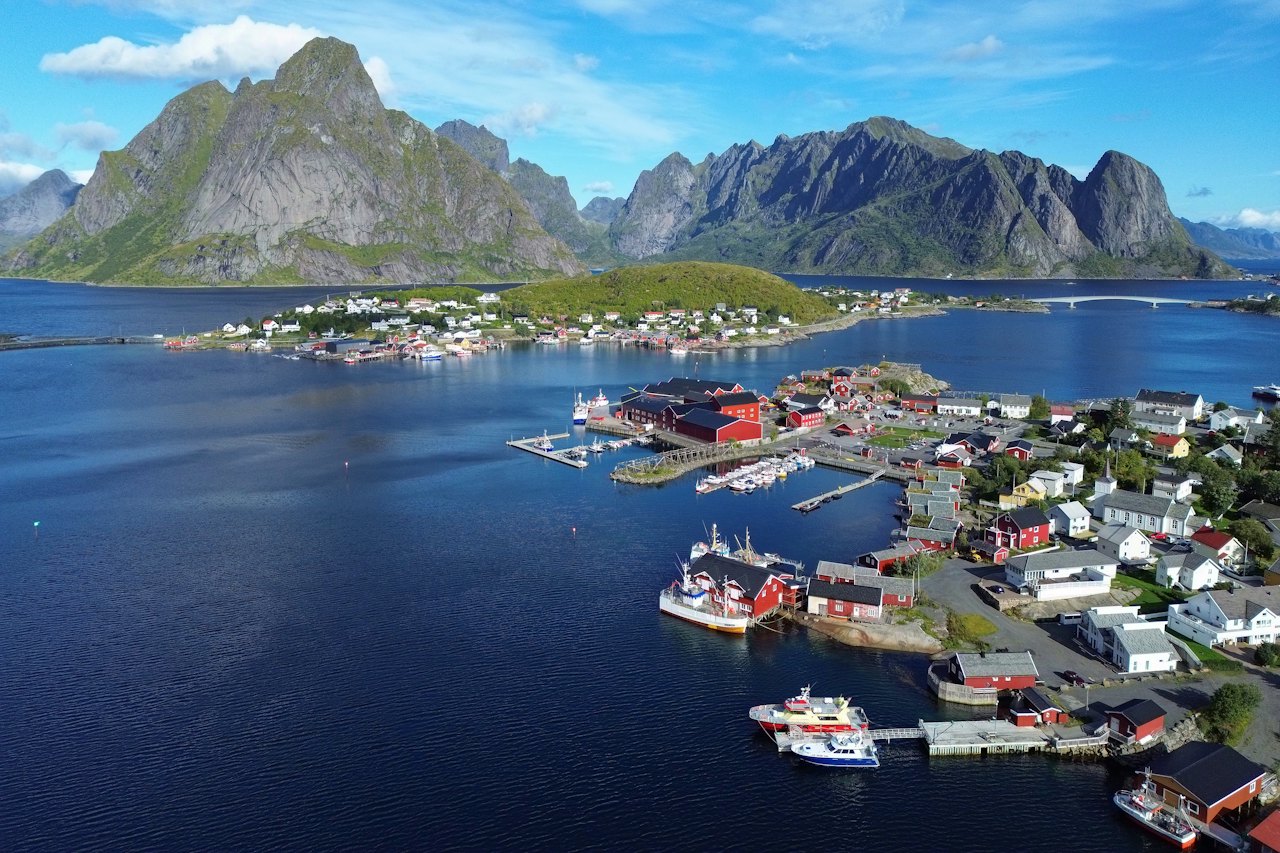
Overview
Lofoten is an archipelago above the Arctic Circle where jagged granite peaks drop straight into the sea, and red fishermen's cabins stand on stilts above the water. It looks like it should be remote, and it is, though a single road, the E10, links most of the main islands by bridges and tunnels.
The islands reward the weather you get. In the summer months from late May to mid-July the sun does not set, so you can hike at midnight. From September to early April the northern lights appear on clear nights, and from February to May cod hang drying on wooden racks. The famous views, Reine and Hamnoy, are small places with limited parking, so respect the signs and the residents. The hike up Reinebringen is a stone stairway of nearly 2,000 steps that is steep and often wet. Norway is expensive, and Lofoten is more so, so plan on a rorbu cabin costing $150 to $250 (≈ €135–220 / £120–195) a night in summer. Weather changes quickly, ferries and flights are sensitive to wind, and a hire car makes the trip much easier.
The fishing villages sit under steep peaks. Photograph at dawn or dusk.
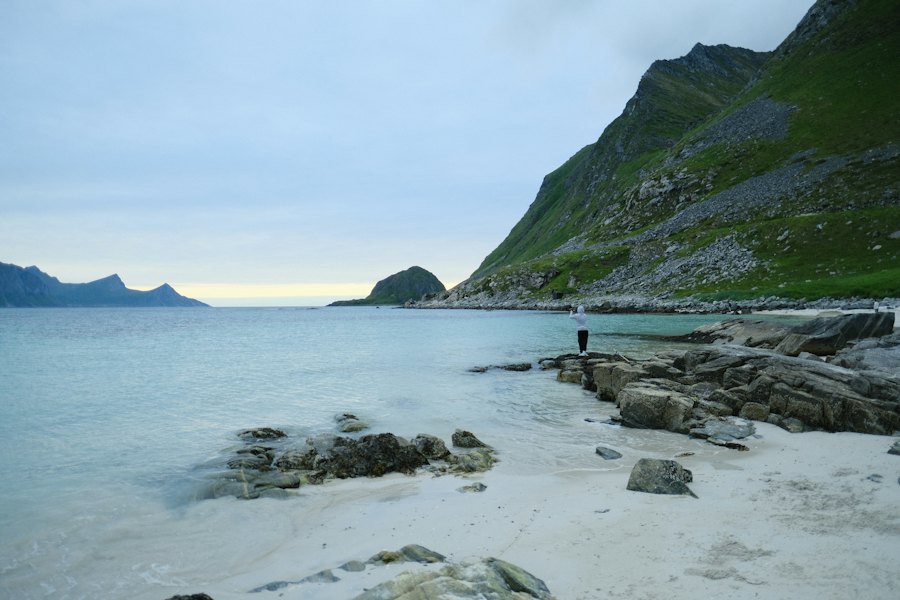
Reinebringen, Ryten and Kvalvika beach offer short but steep trails. Stay on marked paths.
Northern lights from September to March; midnight sun from late May to mid-July.
Best time
Best months for most visitors: Jun-Aug & Feb-Mar. Good weather, thinner crowds and fairer prices.
May, early June, September and October are quieter and cheaper.
June to August is peak season: the midnight sun lasts from late May to mid-July, daytime highs average about 12 to 15°C / 54 to 59°F (54 to 59°F) and trails are mostly clear of snow.
November to April is dark and cold, with polar night in December and January, and storms are common.
Booking window: reserve flights and stays 2–3 months ahead for Jun-Aug & Feb-Mar, and 4–6 months ahead for peak season (Jan, Apr–May, Oct).
Partner links. We earn a commission at no extra cost to you; sponsors never change a ranking or safety note. How we earn money →
Weather
Current temperature loads here when your browser can reach Open-Meteo.
Weather data: Open-Meteo Historical & Live API. A single reading for the main town or area, not the whole destination.
Cool and bright, around 12 to 15°C / 54 to 59°F (54 to 59°F), with long days.
Dark, cold and stormy, with aurora chances.
Accommodation and cars are at their most expensive and sell out, so book four to six months ahead. Mosquitoes can be annoying inland.
September offers autumn colour and the first northern lights, while May has long days and snow on the peaks. Weather is more changeable and some tourist services may be limited.
The northern lights season is in full swing, skrei fishing runs from January to April, and prices drop. Roads can be icy, daylight is limited and many hikes are unsafe without winter equipment.
Weather data: Open-Meteo Historical & Live API (live reading). Typical highs and season notes are our own summaries. How we verify →
Safety
Last updated: government levels come from our editor-verified table (October 2026). When the live UK FCDO check succeeds, its exact UTC time appears in the panel below. The banner takes the most cautious of the five agencies, so a live UK warning always outranks a green entry in our table and any part-country warning shows as red. We never show a level we haven’t checked. How we verify →
Government levels: editor-verified table, October 2026 How we verify →
Five official agencies, one view. Ratings change, so each pill opens the agency’s own page for today’s level.
Tier 5/5 · Very low risk. Normal precautions: weather, steep hikes and cold water.
The UK FCDO, US State Department and Australian DFAT generally describe Norway as a low-risk destination where normal precautions apply. Their advice usually mentions severe winter weather, avalanche risk in mountains and the general terrorism alert that applies across Europe. Advice varies and changes, so read each government's current Norway page before you book.
Our plain-English summary of what the UK FCDO, US State Department, Australian Smartraveller, Japan MOFA and South Korea MOFA publish. We quote no live ratings from memory; each button above opens the agency's own page.
Our opinion, not an official warning
Regional nuance: Norway's advice for Lofoten centres on severe weather, avalanche risk in mountains and winter driving rather than crime. Check local forecasts and road conditions before long trips.
The concerns that are real: Weather and terrain cause the real trouble. Steep, wet trails such as Reinebringen can be slippery, fog and wind can come in quickly, and the sea is cold all year. In winter, icy roads and short daylight make driving difficult. Tell someone your route, check the forecast and turn back in poor conditions.
What headlines overstate: Occasional reports of ferry cancellations or storms may sound dramatic, but they are normal in the Arctic and usually short-lived. Crime against visitors is very rare, and most problems are weather and planning.
Written by our editors from general travel knowledge and kept apart from the agencies above. How we verify →
Costs
Backpacker
$105 (≈ €95 / £85) per person per day
What it covers: Hostel bed or campsite, self-catered meals from supermarkets, shared hire car or bus tickets, free hikes and beaches.
Mid-Range (default)
$230 (≈ €210 / £180) per person per day
What it covers: Rorbu cabin or guesthouse shared by two, a restaurant dinner, a hire car and fuel, and one paid tour such as a boat trip or fishing excursion.
Boutique
$510 (≈ €460 / £400) per person per day
What it covers: Design hotel or premium cabin, tasting-menu dinners, private guide or boat charter and a 4x4 or driver.
Cost source: Audited Local Lodging Taxes, Rail Tariffs & Dining Averages (our own estimates, flights excluded). How we verify →
Source: Should I Go's own estimates, October 2026, in USD per person excluding international flights; euro figures are rough conversions. A couple shares a room, so accommodation drops 25% per person. Prices move, so treat these as a planning range, not a quote.
Estimated total: $0 (≈ €0 / £0)
Estimate in USD per trip, excluding international flights. Two or more travellers share rooms, so accommodation drops 25% per person. Budget and luxury tiers are scaled from the mid-range figure.
Cost source: Audited Local Lodging Taxes, Rail Tariffs & Dining Averages (our own estimates, flights excluded). How we verify →
Where to base yourself
Postcard fishing villages at the end of the road.
Fishing port with galleries and a football pitch on rock.
Main town, ferry port and base for car rental.
Surf beaches and quiet lodging.
Itineraries
Getting between stops: A rental car is the easiest way; buses are limited.
Getting between stops: The E10 and E10-linked roads connect the islands.
Getting between stops: Fly Tromsø to Leknes or take the coastal ferry.
Routes and timetables change. Confirm transit times with the operator before you book.
Do and stay
Best for: Scenery
Pros: The classic red cabins on stilts below dramatic peaks. Close to Reinebringen, Kvalvika and Munkebu hikes.
Watch for: Very busy and expensive in summer, with limited parking and restaurants. Rooms sell out early.
Best for: Services and first-timers
Pros: The largest town, with shops, restaurants, boat trips and an airport. Good for transport links and day trips to Trollfjord.
Watch for: Less picturesque than the southern villages. Busy in summer with cruise passengers.
Best for: Beaches and quiet
Pros: Close to Haukland, Uttakleiv and Unstad, and cheaper than Reine. Central for the airport and shops, with good northern lights viewing on clear nights.
Watch for: Few attractions in town itself. You need a car to reach the main scenery.
These are partner links. We may earn a commission at no extra cost to you.
Trade-offs
Final verdict
Editorial opinion from Should I Go, written from general travel knowledge and reviewed periodically. Verify prices, entry rules and advisories before you book.
Typical costs and rules change; confirm with official sources before you travel.
For hiking and midnight sun, go from June to August. For northern lights and a quieter, colder trip, go from September to March, with February and March offering both light and aurora chances. Skrei fishing season runs from January to April. Summer is busiest and most expensive.
In practice, yes. A bus runs along the E10 between main villages, but it is infrequent, especially in winter and on Sundays. A car lets you reach beaches, trailheads and viewpoints at your own pace. Book early in summer and check winter driving conditions.
Four to five days is enough for the main sights, such as Reine, Hamnoy, the western beaches and one or two hikes. Allow extra time for bad weather, and for the long drive from Svolvaer to Reine. A week suits those who want to hike or fish.
Get live weather, activities, travel advisories, and personalised tips for Lofoten
Check Lofoten Now →Have you visited Lofoten? Was it worth it? Readers can vote: Worth Every Penny, Great in Shoulder Season Only, or Overrated / Skip It.