Lake Louise and Moraine Lake
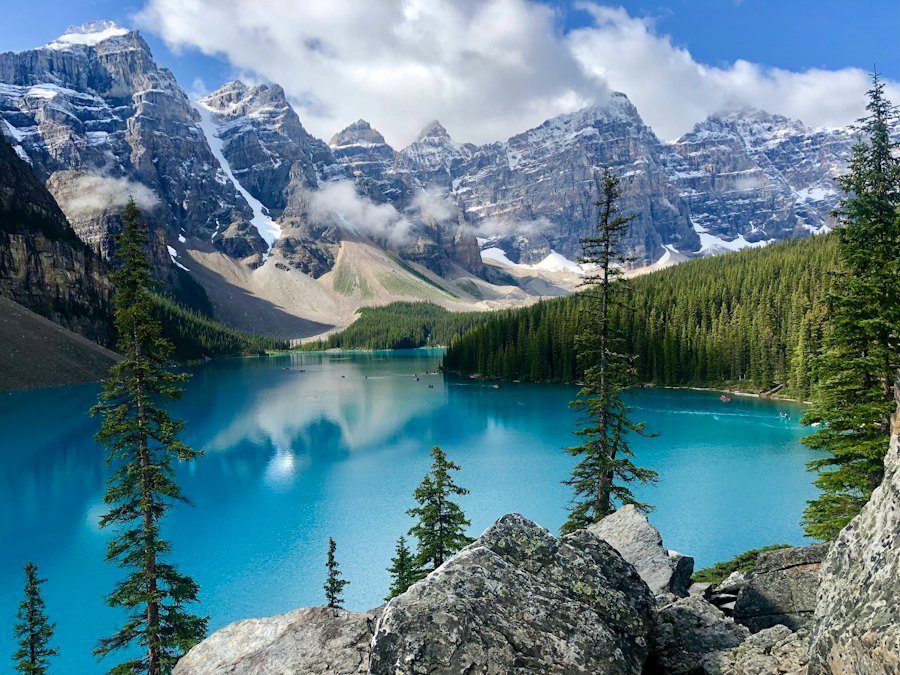
Moraine Lake is closed to private cars and reached by Parks Canada shuttle. Go at sunrise or late afternoon.
Photo: David McLenachan on Unsplash
View Full Gallery (3)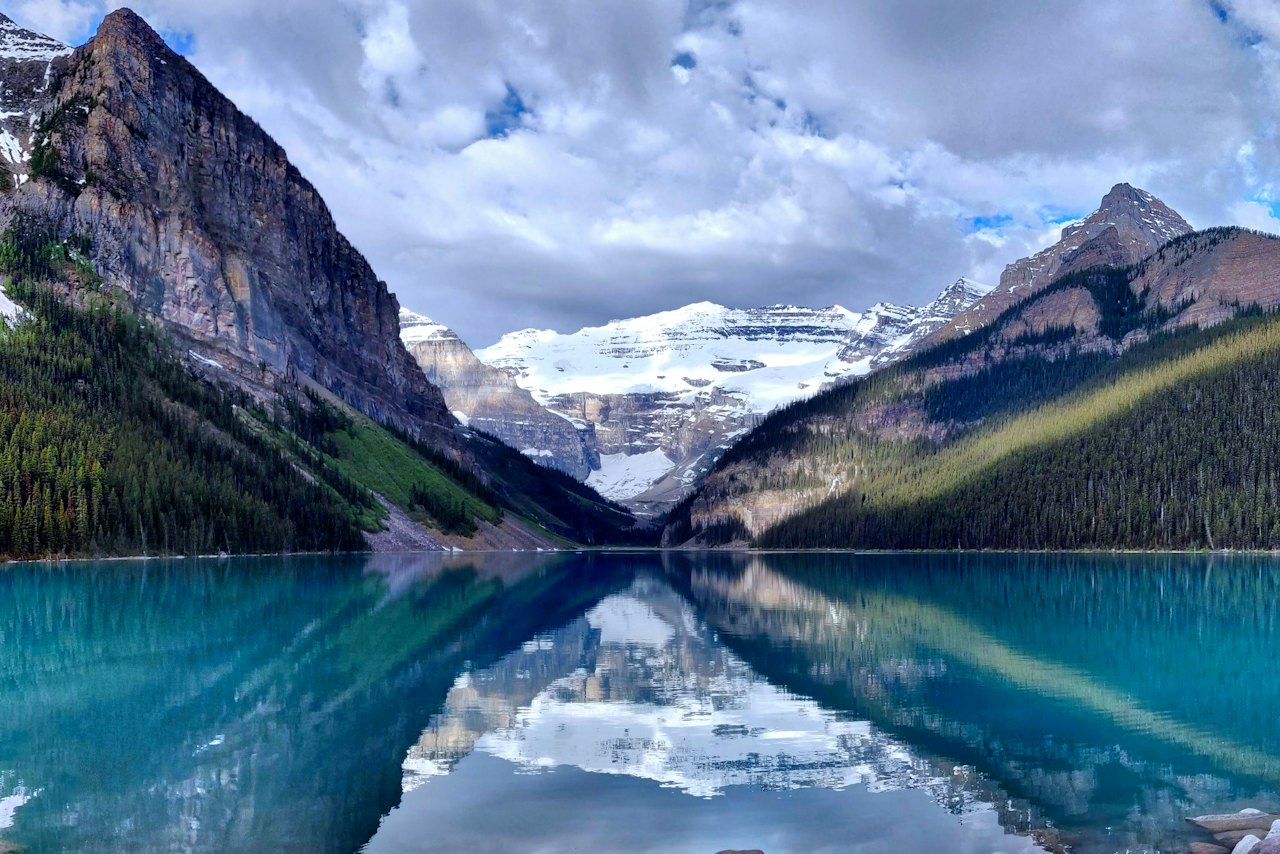
Overview
Banff is the easy way into the Canadian Rockies: a small mountain town inside Canada's oldest national park, with turquoise lakes, glaciers and elk on the lawns, ninety minutes from Calgary airport. Lake Louise, Moraine Lake, the Icefields Parkway and Johnston Canyon are all within a day's reach.
The catch is that everyone else has noticed. Between late June and early September, parking at Lake Louise and Moraine Lake is hopeless after sunrise, and Moraine Lake is closed to private cars, so you go by Parks Canada shuttle or other approved transport booked ahead. Rooms in town are expensive and sell out months early, so many people stay in Canmore, 25 minutes away, and drive in. Carry bear spray on any trail and know how to use it, and keep your distance from the elk, which are not tame. Winter brings skiing at Sunshine Village, Lake Louise and Norquay, and far thinner crowds. September, when the larches turn gold, is the month most people regret not booking sooner.
Moraine Lake is closed to private cars and reached by Parks Canada shuttle. Go at sunrise or late afternoon.
The 230 km / 143 mi road to Jasper passes glaciers, turquoise lakes and wildlife. Allow a full day.
Johnston Canyon, Sulphur Mountain and the Banff Upper Hot Springs fill a quiet day.
Best time
Best months for most visitors: Jun-Sep & Dec-Mar. Good weather, thinner crowds and fairer prices.
Late May to June and September to early October are the sweet spots.
July and August are peak season: long days, temperatures of about 18 to 25 degrees Celsius, high-country trails open and every road busy.
November to April is the winter season: December to March is dry powder skiing at Lake Louise, Sunshine and Norquay, with frozen lakes and cheap midweek rooms outside holidays.
Booking window: reserve flights and stays 2–3 months ahead for Jun-Sep & Dec-Mar, and 4–6 months ahead for peak season (Jan–Mar, Jun, Oct, Dec).
Partner links. We earn a commission at no extra cost to you; sponsors never change a ranking or safety note. How we earn money →
Weather
Current temperature loads here when your browser can reach Open-Meteo.
Weather data: Open-Meteo Historical & Live API. A single reading for the main town or area, not the whole destination.
Warm days and cool nights; the busiest time. Wildfire smoke is possible.
Cold, snowy and good for skiing and ice walks.
Accommodation can cost double the shoulder-season rate, so book four to six months ahead. Wildfire smoke can occasionally spoil views.
Lakes thaw in June, crowds thin after Labour Day, and larch trees turn gold at places such as Larch Valley in the last two weeks of September. Weather can turn cold or snowy quickly, so pack layers.
Temperatures often fall below minus 15 degrees. Moraine Lake road is closed, some trails need winter gear, and Icefields Parkway driving needs winter tyres.
Weather data: Open-Meteo Historical & Live API (live reading). Typical highs and season notes are our own summaries. How we verify →
Safety
Last updated: government levels come from our editor-verified table (October 2026). When the live UK FCDO check succeeds, its exact UTC time appears in the panel below. The banner takes the most cautious of the five agencies, so a live UK warning always outranks a green entry in our table and any part-country warning shows as red. We never show a level we haven’t checked. How we verify →
Government levels: editor-verified table, October 2026 How we verify →
Five official agencies, one view. Ratings change, so each pill opens the agency’s own page for today’s level.
Tier 4/5 · Standard caution. Normal precautions: wildlife, mountain weather and avalanche risk.
The UK FCDO, US State Department and Australian DFAT generally describe Canada as a low-risk destination where normal precautions apply. Their advice usually mentions wildlife, wildfire and extreme weather in the Rockies, and avalanche risk in winter backcountry. Advice varies and changes, so read each government's current Canada page before you book.
Our plain-English summary of what the UK FCDO, US State Department, Australian Smartraveller, Japan MOFA and South Korea MOFA publish. We quote no live ratings from memory; each button above opens the agency's own page.
Our opinion, not an official warning
Regional nuance: Canada's advice usually flags wildfire smoke in summer and avalanche risk in winter backcountry rather than crime. Check Parks Canada alerts for trail and road closures before you go.
The concerns that are real: Wildlife and weather cause the real trouble. Bears and elk are wild animals, so carry bear spray, travel in groups on trails and never feed or approach wildlife. Mountain weather can turn quickly, and winter backcountry needs avalanche training. Car break-ins at trailhead car parks happen, so keep valuables out of sight.
What headlines overstate: Wildfire smoke and avalanche stories can sound dramatic, but most visitors who stick to marked trails and open roads have trouble-free trips. Check Parks Canada alerts and DriveBC road conditions each morning.
Written by our editors from general travel knowledge and kept apart from the agencies above. How we verify →
Costs
Backpacker
$100 (≈ €90 / £80) per person per day
What it covers: Hostel dorm in Banff or Canmore, self-catered meals, Roam bus passes, free trails and a Parks Canada pass. Camping is cheaper again but needs a reservation.
Mid-Range (default)
$220 (≈ €195 / £175) per person per day
What it covers: Midscale hotel room shared by two (summer rates), one restaurant dinner, a car or shuttle, a gondola or hot springs ticket and a boat or guided walk.
Boutique
$480 (≈ €430 / £380) per person per day
What it covers: Fairmont Banff Springs or Chateau Lake Louise-style rooms, fine dining, a private guide or helicopter tour and a rental SUV.
Cost source: Audited Local Lodging Taxes, Rail Tariffs & Dining Averages (our own estimates, flights excluded). How we verify →
Source: Should I Go's own estimates, October 2026, in USD per person excluding international flights; euro figures are rough conversions. A couple shares a room, so accommodation drops 25% per person. Prices move, so treat these as a planning range, not a quote.
Estimated total: $0 (≈ €0 / £0)
Estimate in USD per trip, excluding international flights. Two or more travellers share rooms, so accommodation drops 25% per person. Budget and luxury tiers are scaled from the mid-range figure.
Cost source: Audited Local Lodging Taxes, Rail Tariffs & Dining Averages (our own estimates, flights excluded). How we verify →
Where to base yourself
Shops, restaurants and trail access.
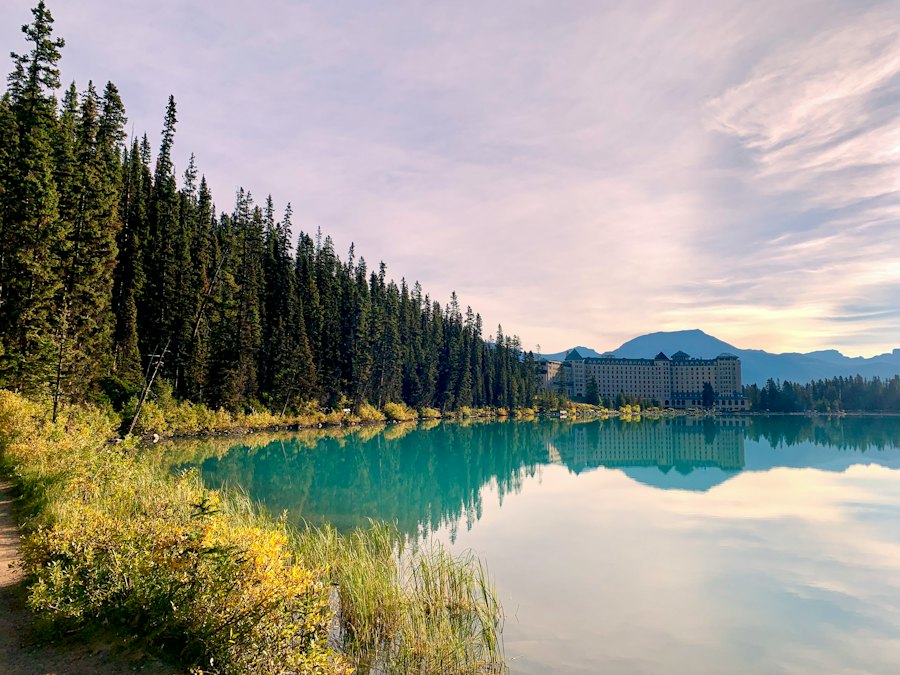
Lakes, hikes and the Chateau.
Quieter town with cheaper stays.
Wilderness town at the north end of the Parkway.
Itineraries
Getting between stops: Roam buses and Parks Canada shuttles run between sights; a car helps.
Getting between stops: Drive the Parkway or take a coach tour; fuel up before the stretch.
Getting between stops: A rental car makes this loop simple; book campsites early.
Routes and timetables change. Confirm transit times with the operator before you book.
Do and stay
Best for: First-timers
Pros: Walkable restaurants, hot springs, the gondola and the Roam bus network, so you can leave the car parked. Good base for Johnston Canyon and Lake Minnewanka.
Watch for: Expensive, crowded in summer and heavily touristy. Rooms are limited and book out early.
Best for: Value
Pros: A real mountain town about 25 minutes from Banff with cheaper rooms, apartments, good bakeries and the Three Sisters views. Quieter evenings and decent local pubs.
Watch for: You need a car or the Roam route to reach Banff, and parking at trailheads fills early. Less to do inside the national park itself.
Best for: Hikers and skiers
Pros: Closest to Lake Louise, Moraine Lake and the ski area, so you can start walks early and avoid the daily drive. Quiet at night with a mountain feel.
Watch for: Very small, with few restaurants and high prices. Summer accommodation sells out early.
These are partner links. We may earn a commission at no extra cost to you.
Trade-offs
Final verdict
Editorial opinion from Should I Go, written from general travel knowledge and reviewed periodically. Verify prices, entry rules and advisories before you book.
Typical costs and rules change; confirm with official sources before you travel.
For hiking and lakes, go from late June to mid-September, with the best compromise being September when larch trees turn gold and crowds thin. For skiing, aim for January to March. May and early June can be quiet but high trails may still be under snow, and some lakes are still frozen. July and August are the busiest and most expensive.
Not strictly. The Roam public bus runs around Banff, to Canmore and to Lake Louise in season, and shuttles reach Moraine Lake. A car makes the Icefields Parkway, early starts and remote trailheads far easier, and many people hire one for part of the trip. Book parking and shuttles early in summer.
Three to four days covers the main sights: Banff town, Johnston Canyon, Lake Louise and Moraine Lake. Add two more for the Icefields Parkway and Jasper. A week lets you hike properly and slow down, which suits the park better than a rushed itinerary.
Get live weather, activities, travel advisories, and personalised tips for Banff
Check Banff Now →Have you visited Banff? Was it worth it? Readers can vote: Worth Every Penny, Great in Shoulder Season Only, or Overrated / Skip It.