The beaches
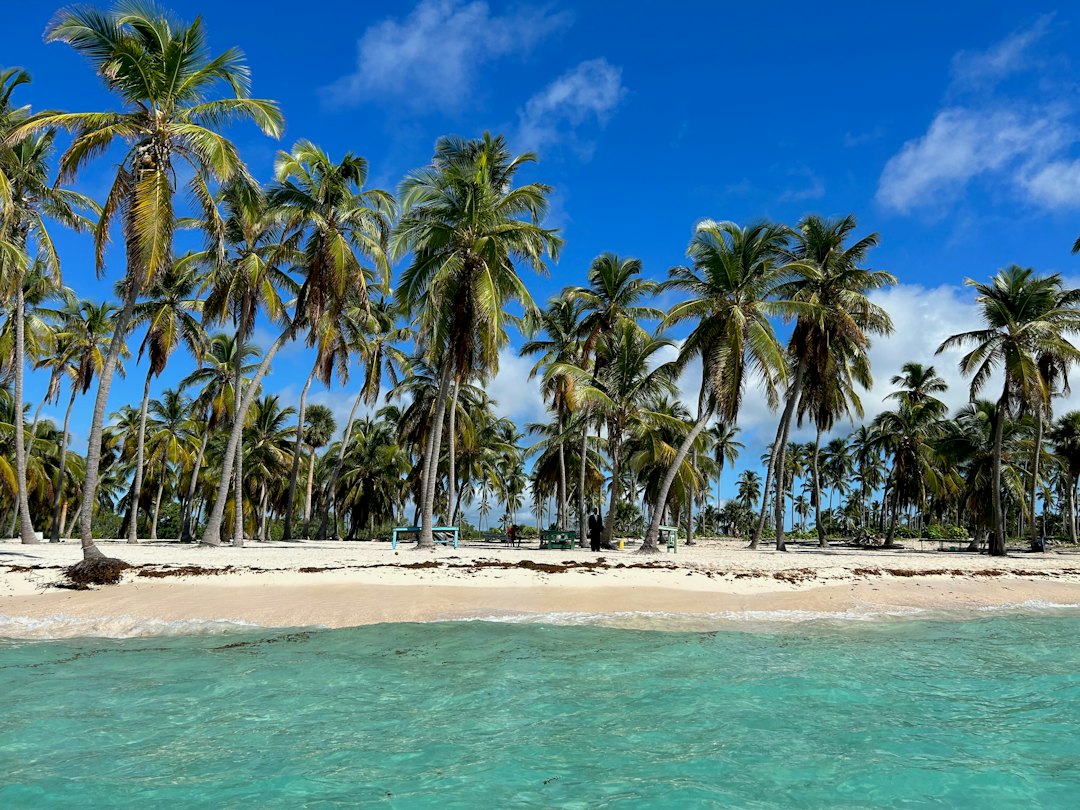
About 30 miles (48 km) of white sand and coconut palms along the Atlantic coast, with warm, shallow water. Bávaro is busiest, Juanillo and Uvero Alto quieter.
A resort beach on the Punta Cana coast
Best months: Apr–May & Nov (peak late Dec–Mar)
Photo: Victor Rosario on Unsplash
Photo: Stefan Hale on Unsplash
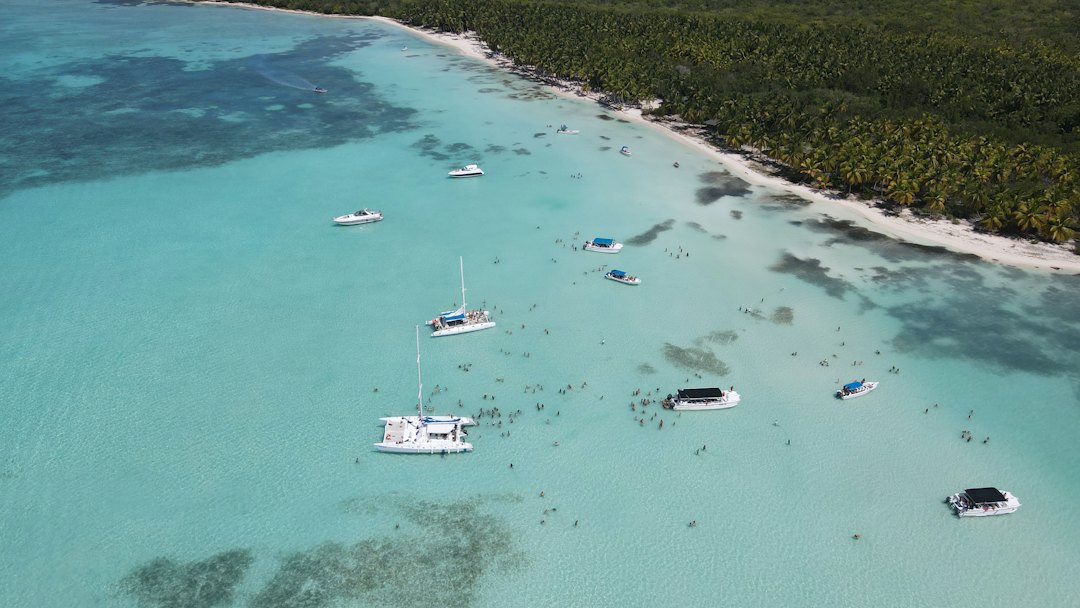
Photo: Esteban Ponce on Unsplash
View Full Gallery (3)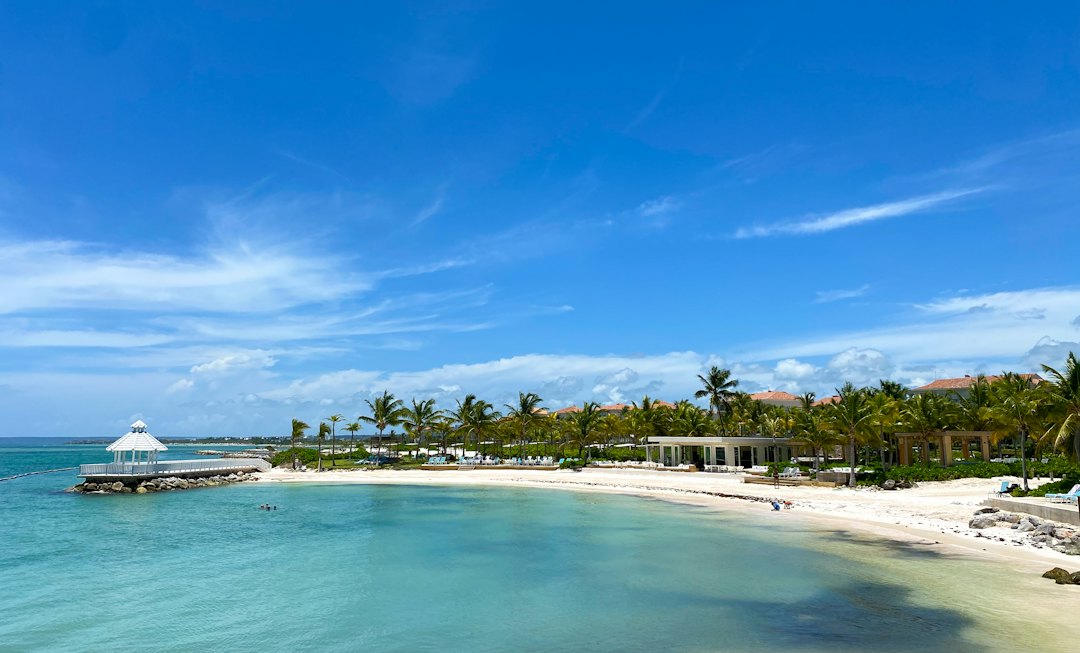
Overview
Punta Cana is not a town. It is a coastline of about 30 miles (48 km) at the Dominican Republic’s eastern tip, with resorts strung along it, and the sensible way to judge it is as a beach holiday that happens to be very well organised. The airport has a thatched roof, a taxi desk and transfer buses that load in minutes, and most visitors never think much beyond the resort gate. That is the appeal, and the limit.
What you get for it is real: long white-sand beaches fringed by coconut palms, warm shallow water, golf courses that run along the ocean at Cap Cana and the Puntacana Resort & Club, and a handful of excursions that are worth leaving the pool for. Saona Island, in Cotubanamá National Park to the south-east, has lagoons, a waist-deep sandbar called the Natural Pool and tour boats by midday, so go on an early departure. Hoyo Azul, a freshwater cenote inside the Scape Park at Cap Cana, has the clearest swim on the coast. The honest trade-offs are crowds and the all-inclusive bubble. In winter the main beaches are busy, the better restaurants outside the resorts are few, and sargassum seaweed can pile up on the Atlantic-facing sand in some years, mostly in spring and summer.
Go from late December to March for the driest weather, with highs of about 27°C / 81°F (81°F) and the highest prices, or in April, May and November for lower rates and fewer people. The hurricane season runs from June to November, with the core from August to October, when beaches are hot at about 29°C / 84°F (84°F) and bargains abound. Prices and rules below are approximate and written from general knowledge, so check them before you go.
About 30 miles (48 km) of white sand and coconut palms along the Atlantic coast, with warm, shallow water. Bávaro is busiest, Juanillo and Uvero Alto quieter.
An island in Cotubanamá National Park, south-east of the coast, that cannot be driven to. Tours bus 1–1.5 hours to Bayahibe, then take a catamaran or speedboat, with a mandatory stop at the Natural Pool, a waist-deep sandbar known for large starfish. Group trips start from $80 (≈ €71 / £63); take an early departure before the tour boats fill the shallows.
A freshwater cenote at Scape Park in Cap Cana with the clearest swim on the coast, plus oceanfront golf at Cap Cana and the Puntacana Resort & Club.
Best time
Best months for most visitors: Apr–May & Nov (peak late Dec–Mar). Good weather, thinner crowds and fairer prices.
April, May and November are the sweet spot, with highs of 28 to 29°C / 82 to 84°F (82 to 84°F), warm sea and thinner crowds.
Late December to March is the driest season, with highs of about 27°C / 81°F (81°F), cooler evenings and the highest prices.
August to October is hot, with beaches at about 29°C / 84°F (84°F), and is the peak of the hurricane season, which runs from June to November.
Booking window: reserve flights and stays 2–3 months ahead for Apr–May & Nov (peak late Dec–Mar), and 4–6 months ahead for peak season (Jan–Mar, Dec).
Partner links. We earn a commission at no extra cost to you; sponsors never change a ranking or safety note. How we earn money →
Weather
Current temperature loads here when your browser can reach Open-Meteo.
Weather data: Open-Meteo Historical & Live API. A single reading for the main town or area, not the whole destination.
Peak season about 27°C / 81°F; shoulder season about 29°C / 84°F.
Rain: Driest late December to April; showery and more humid June to November.
The driest season, with highs of about 27°C / 81°F (81°F) and cooler evenings of about 23°C / 73°F (73°F). Peak season and the best weather for a first trip.
Hot and humid, with highs of 29 to 30°C / 84 to 86°F (84 to 86°F), more showers and the main hurricane risk from August to October. Rain falls on 19 to 22 days a month in the model data, often in short bursts.
The sea runs from about 26.5°C / 80°F (80°F) in February and March to 30°C / 86°F (86°F) in September and October, warm enough to swim all year.
Book resorts and excursions ahead.
Showers pass quickly.
Prices are lowest, but buy insurance that covers storms and expect rain and rough seas.
Weather data: Open-Meteo Historical & Live API (live reading). Typical highs and season notes are our own summaries. How we verify →
Safety
Last updated: government levels come from our editor-verified table (October 2026). When the live UK FCDO check succeeds, its exact UTC time appears in the panel below. The banner takes the most cautious of the five agencies, so a live UK warning always outranks a green entry in our table and any part-country warning shows as red. We never show a level we haven’t checked. How we verify →
Government levels: editor-verified table, October 2026 How we verify →
Five official agencies, one view. Ratings change, so each pill opens the agency’s own page for today’s level.
Tier 3/5 · Increased caution. Increased caution: the FCDO says the crime rate is high; resort areas are the main tourist base. Hurricane season runs June to November.
The UK FCDO’s page for the Dominican Republic (updated 7 October 2026) carries no warning against travel to Punta Cana. It says the crime rate in the country is high, from opportunistic bag-snatching and pickpocketing to violent crime and carjacking, with thieves on motorcycles snatching bags from pedestrians. It says incidents of assault, rape and sexual aggression against foreigners have occurred, including at beach resorts, and in some cases hotel employees or fellow guests have been implicated. It warns that bank card cloning is a risk, that lifeguards may not be present on beaches, that the sea can be dangerous during the hurricane season (June to November), that providers of recreational and adventure tourism may not meet UK safety standards, that tap water is not drinkable and that the road death rate is high. Read the current page before you book, and again before you travel, because wording changes. The arrivals-hall timeshare desks and fake cigars are our own notes.
Our plain-English summary of what the UK FCDO, US State Department, Australian Smartraveller, Japan MOFA and South Korea MOFA publish. We quote no live ratings from memory; each button above opens the agency's own page.
Our opinion, not an official warning
Regional nuance: The UK FCDO page for the Dominican Republic carries no warning against travel but says the crime rate is high, assaults including at beach resorts have occurred, bank card cloning is a risk, tap water is not drinkable and the sea can be dangerous in hurricane season (June to November). Arrivals scams are our own notes.
The concerns that are real: The FCDO’s crime warnings are real, so avoid remote areas and walking alone at night, do not leave drinks unattended and keep your card in view. The everyday annoyance is timeshare touts, fake cigars and unlicensed excursion sellers. In the sea, the hazard is rough water and the absence of lifeguards.
What headlines overstate: Headlines about crime, hurricanes and road accidents describe real risks. Follow the FCDO and local authorities, check the forecast in hurricane season and buy insurance that covers medical evacuation.
Written by our editors from general travel knowledge and kept apart from the agencies above. How we verify →
Costs
Backpacker
$85 (≈ €75 / £65) per person per day
What it covers: A guesthouse or small hotel room outside the main resorts, local meals and shared transport.
Mid-Range (default)
$190 (≈ €170 / £150) per person per day
What it covers: An all-inclusive resort room shared by two or a hotel with meals, a transfer and one excursion.
Boutique
$420 (≈ €380 / £330) per person per day
What it covers: A Cap Cana or beachfront suite, tasting dinners, golf and a private boat day.
Cost source: Audited Local Lodging Taxes, Rail Tariffs & Dining Averages (our own estimates, flights excluded). How we verify →
Source: Should I Go's own estimates, October 2026, in USD per person excluding international flights; euro figures are rough conversions. A couple shares a room, so accommodation drops 25% per person. Prices move, so treat these as a planning range, not a quote.
Estimated total: $0 (≈ €0 / £0)
Estimate in USD per trip, excluding international flights. Two or more travellers share rooms, so accommodation drops 25% per person. Budget and luxury tiers are scaled from the mid-range figure.
Cost source: Audited Local Lodging Taxes, Rail Tariffs & Dining Averages (our own estimates, flights excluded). How we verify →
Where to base yourself
The long resort beach with the widest choice of hotels, restaurants and excursions.
Upscale resorts, marina, golf courses and the Hoyo Azul cenote.
Quieter cliff-backed beaches and large all-inclusive resorts on the north shore.
A fishing-village base to the south, the gateway to Saona Island and the national park.
Itineraries
Getting between stops: A pre-booked transfer or Uber from PUJ to Bávaro takes about 20 minutes and costs about $25–35 (≈ €20–30 / £20–30). Walk straight to your driver.
Getting between stops: Book the Saona trip with a licensed operator or through your hotel. Taxis and Uber link resorts; the FCDO notes a high road-death rate if you drive.
Getting between stops: Bayahibe is 1–1.5 hours south by air-conditioned bus or road. Hire a driver or use transfers.
Routes and timetables change. Confirm transit times with the operator before you book.
Do and stay
Best for: First-timers who want an all-inclusive resort on the long beach
Pros: The widest choice of resorts, restaurants and excursions.
Watch for: The busiest stretch, with vendors and winter crowds.
Best for: Golf, a marina and a quieter, upscale base
Pros: Juanillo Beach, golf courses, Hoyo Azul and a gated feel.
Watch for: Pricey, with few places to walk to.
Best for: Quieter beaches and big all-inclusive resorts
Pros: Cliff-backed beaches and resorts spread along a calmer north shore.
Watch for: Isolated, so you rely on resort transport or taxis.
These are partner links. We may earn a commission at no extra cost to you.
Trade-offs
Final verdict
Editorial opinion from Should I Go, written from general travel knowledge and reviewed periodically. Verify prices, entry rules and advisories before you book.
Typical costs and rules change; confirm with official sources before you travel.
April, May and November are best for value and quiet. Late December to March is dry and busiest, and August to October is hot and falls in the hurricane season, which runs from June to November.
The UK FCDO carries no warning against travel but says the crime rate in the Dominican Republic is high and that assaults, including at beach resorts, have occurred. It advises avoiding remote areas after dark, not leaving drinks unattended and keeping your bank card in view. Lifeguards may not be present on beaches.
The FCDO says UK visitors can stay for tourism without a visa for 30 days, and that until 31 December 2026 a British passport only needs to be valid for the duration of the visit. You must complete the online entry and exit form up to 7 days before arrival. Other nationalities should check the official pages.
Use a pre-booked transfer, an Uber or a standard-rate taxi. To Bávaro it takes about 20 minutes and costs $25–35 (1,500–2,100 pesos; ≈ €22–31 / £20–28). Walk straight to your driver and ignore “VIP” or “timeshare” desks.
No. The FCDO says tap water in the Dominican Republic is not drinkable, so use bottled water and avoid ice from unknown sources.
Saona Island, in Cotubanamá National Park, cannot be driven to. Standard day tours take an air-conditioned bus 1–1.5 hours south to the fishing village of Bayahibe, then board a boat; the hybrid route is a high-speed catamaran one way (about 1.5 hours, with open bar and music) and a fast speedboat the other (about 45 minutes), with a mandatory swim stop at the Natural Pool, a waist-deep offshore sandbar famous for large starfish. Group catamaran day trips start from $80 (≈ €71 / £63) per adult with hotel pickup, buffet lunch and open bar; small-group premium speedboats cost about $130–150 (≈ €116–134 / £102–118); private charters start from about $400 (≈ €357 / £315). Saona cannot be reached by car, so book through your hotel or a licensed operator.
Get live weather, activities, travel advisories, and personalised tips for Punta Cana, Dominican Republic
Check Punta Cana, Dominican Republic Now →Have you visited Punta Cana, Dominican Republic? Was it worth it? Readers can vote: Worth Every Penny, Great in Shoulder Season Only, or Overrated / Skip It.