Gaudí's Barcelona
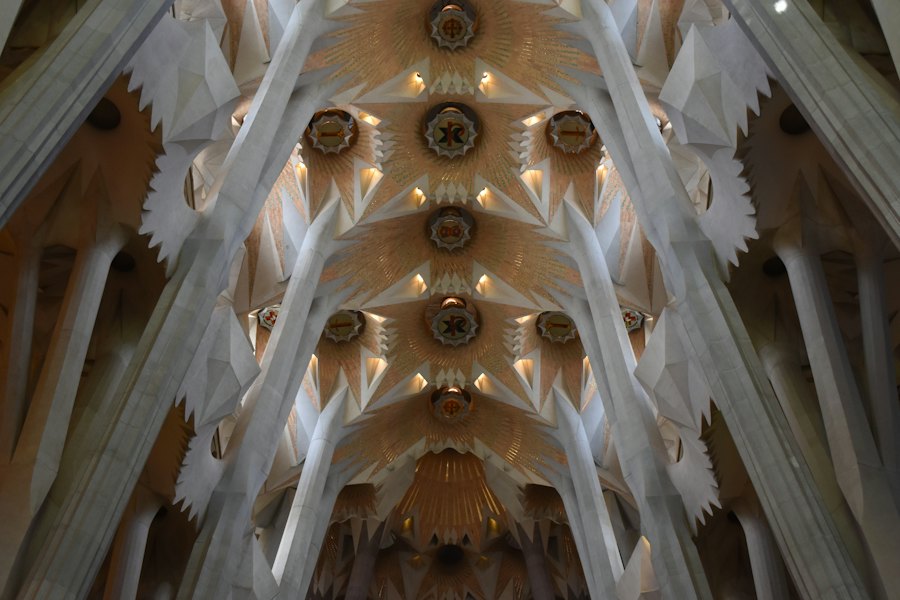
Sagrada Família, Casa Batlló and Park Güell all need timed tickets; book ahead.
Photo: Adam Young on Unsplash
Photo: MIGUEL BAIXAULI on Unsplash
View Full Gallery (3)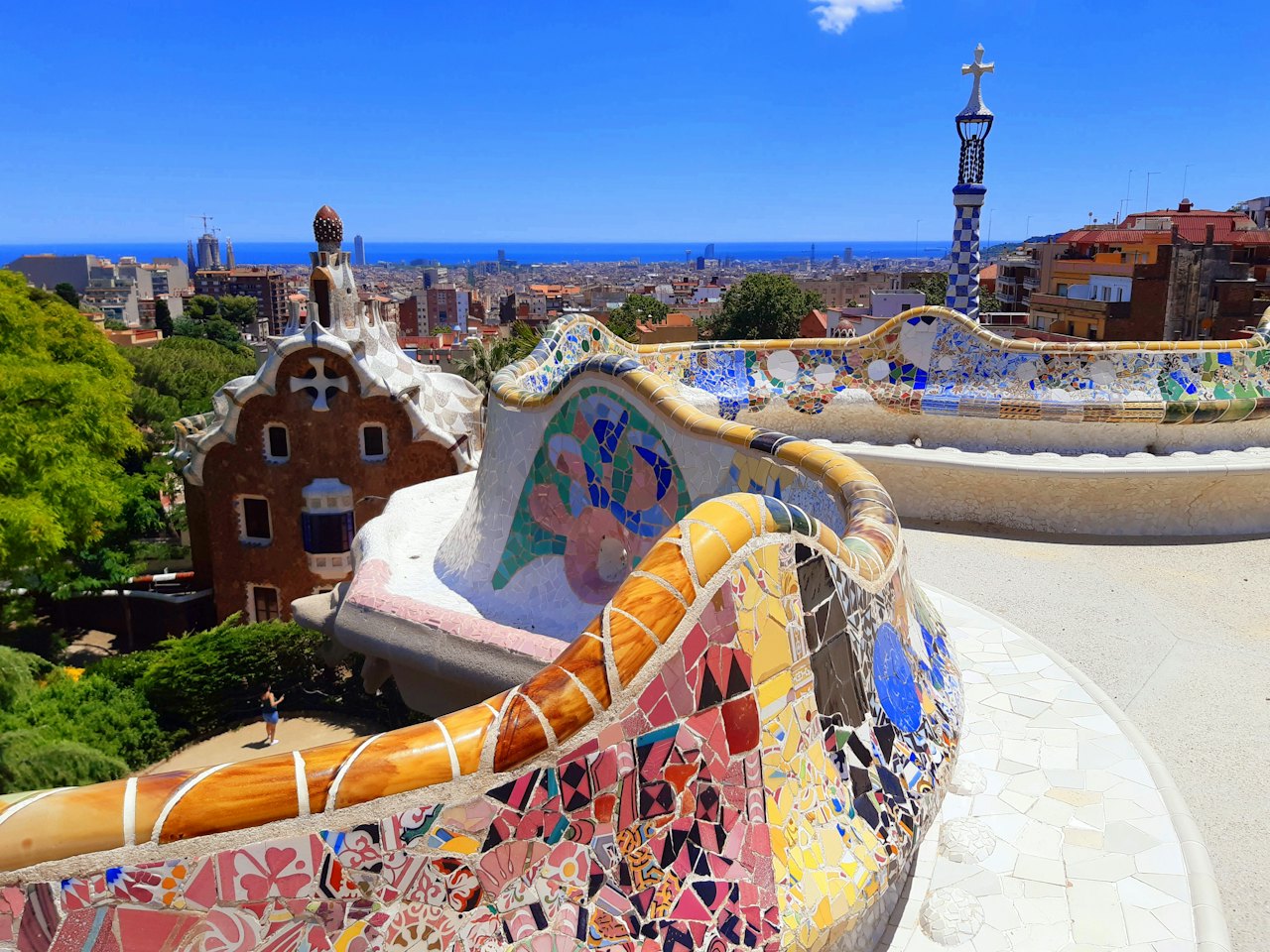
Overview
Barcelona has the best-known skyline of any Spanish city and it was drawn largely by one man. Gaudi's Sagrada Familia, Casa Batllo and Park Guell are worth the entry fee, but they sell out and are crowded, so book timed tickets before you land. Beyond them sit the Gothic Quarter, the Born, a long city beach and the Montjuic hill, all within an hour's walk or a short metro ride.
Barcelona is also a city under pressure from its own popularity. Residents have protested against mass tourism, tourist flats are being phased out, and the city tourist tax has risen. The practical result is simple: be quiet in residential streets, avoid La Rambla for meals, and stay in a registered hotel or apartment. Pickpocketing in the metro, on the Rambla and around the beach is the real hazard, so carry little and keep a hand on your bag. Dinner is late, usually after 9pm, and the set lunch (menu del dia) at about $17–20 (15 to 18 euros; ≈ £13–16) is the best value meal in town. Spring and early autumn have the best weather; August is hot and crowded.
Sagrada Família, Casa Batlló and Park Güell all need timed tickets; book ahead.
Medieval lanes, the Picasso Museum and tapas bars. Watch your bag in crowded alleys.
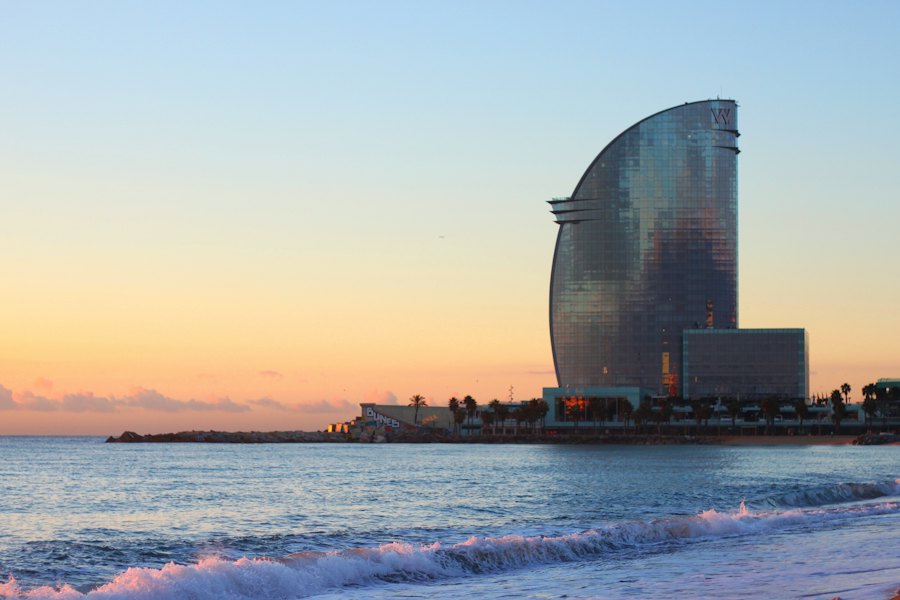
The city beach is busy but convenient. Quieter coves lie north up the coast.
Best time
Best months for most visitors: Apr–Jun & Sep–Oct. Good weather, thinner crowds and fairer prices.
April to June and September to October are the best months.
July and August are hot, humid and crowded, with daytime temperatures of 28 to 32 degrees Celsius and sea temperatures of around 24 degrees.
November to March is mild, usually 10 to 16 degrees Celsius in the day, with some rain.
Booking window: reserve flights and stays 2–3 months ahead for Apr–Jun & Sep–Oct, and 4–6 months ahead for peak season (Jan–Mar, Jul, Nov–Dec).
Partner links. We earn a commission at no extra cost to you; sponsors never change a ranking or safety note. How we earn money →
Weather
Current temperature loads here when your browser can reach Open-Meteo.
Weather data: Open-Meteo Historical & Live API. A single reading for the main town or area, not the whole destination.
Hot, humid and crowded, with sea temperatures peaking in August.
Mild, sunny days; best for walking the city.
Prices are highest, many locals leave in August and some small restaurants close. Book accommodation and major sights far ahead.
Days are sunny and warm, the sea is swimmable from about June to October, and evenings are good for eating outside. Easter, the Mobile World Congress in late February or March and the Sonar festival in June can fill hotels.
Sights are quieter and hotel prices fall, though it is too cool for swimming. Christmas markets and the cava season give the city a local feel.
Weather data: Open-Meteo Historical & Live API (live reading). Typical highs and season notes are our own summaries. How we verify →
Safety
Last updated: government levels come from our editor-verified table (October 2026). When the live UK FCDO check succeeds, its exact UTC time appears in the panel below. The banner takes the most cautious of the five agencies, so a live UK warning always outranks a green entry in our table and any part-country warning shows as red. We never show a level we haven’t checked. How we verify →
Government levels: editor-verified table, October 2026 How we verify →
Five official agencies, one view. Ratings change, so each pill opens the agency’s own page for today’s level.
Tier 4/5 · Standard caution. Normal precautions: pickpocketing and bag snatching in tourist areas.
The UK FCDO, US State Department and Australian DFAT generally describe Spain as a low-risk destination where normal precautions apply. Their advice usually mentions petty theft and bag snatching in Barcelona's tourist areas, occasional demonstrations and transport strikes, and summer heat and wildfire risk. Advice varies and changes, so check each agency's current Spain page before you book.
Our plain-English summary of what the UK FCDO, US State Department, Australian Smartraveller, Japan MOFA and South Korea MOFA publish. We quote no live ratings from memory; each button above opens the agency's own page.
Our opinion, not an official warning
Regional nuance: Spain's advice for Barcelona generally focuses on petty crime and occasional demonstrations or strikes, not regional danger. Check local news if protests are planned during your dates.
The concerns that are real: Pickpocketing in the metro, on La Rambla, at the beach and around the Sagrada Familia is the main problem, along with phone snatching from cafe tables. Drug sellers and overpriced bars in the Raval and around Las Ramblas are other nuisances; avoid poorly lit streets late at night.
What headlines overstate: Headlines about anti-tourism protests suggest visitors are unwelcome. The protests concern housing and crowding, and visitors who are respectful, stay in licensed accommodation and spend locally are usually fine.
Written by our editors from general travel knowledge and kept apart from the agencies above. How we verify →
Costs
Backpacker
$70 (≈ €60 / £55) per person per day
What it covers: Hostel dorm, bakery and market meals, a menu del dia at lunch, 10-ride metro card, free beaches and neighbourhood walks, and one paid Gaudi entry.
Mid-Range (default)
$160 (≈ €145 / £125) per person per day
What it covers: Three- or four-star hotel or apartment shared by two, tapas and dinner with wine, timed tickets to the Sagrada Familia and Park Guell, and a few taxis.
Boutique
$350 (≈ €310 / £280) per person per day
What it covers: Design hotel in the Eixample or a beachfront five-star, tasting-menu dinners, private guided tours, a yacht or day trip to Montserrat, and car transfers.
Cost source: Audited Local Lodging Taxes, Rail Tariffs & Dining Averages (our own estimates, flights excluded). How we verify →
Source: Should I Go's own estimates, October 2026, in USD per person excluding international flights; euro figures are rough conversions. A couple shares a room, so accommodation drops 25% per person. Prices move, so treat these as a planning range, not a quote.
Estimated total: $0 (≈ €0 / £0)
Estimate in USD per trip, excluding international flights. Two or more travellers share rooms, so accommodation drops 25% per person. Budget and luxury tiers are scaled from the mid-range figure.
Cost source: Audited Local Lodging Taxes, Rail Tariffs & Dining Averages (our own estimates, flights excluded). How we verify →
Where to base yourself
Medieval lanes and museums. Atmospheric but noisy.
Gaudí buildings and wide avenues. Good restaurants and quieter streets.
A village feel with squares, bars and independent shops.
Museums, gardens and tapas bars with a view.
Itineraries
Getting between stops: The T-casual metro ticket covers most routes; many sights are walkable.
Getting between stops: FGC R5 train from Plaça Espanya and the rack railway to Montserrat take about 1.5 hours; R2 to Sitges 40 minutes.
Getting between stops: Renfe trains to Girona take about 40 minutes by high-speed AVE; buses reach the coast.
Routes and timetables change. Confirm transit times with the operator before you book.
Do and stay
Best for: First-timers
Pros: Broad grid streets, many Modernista buildings, good restaurants, and walking distance to the Sagrada Familia, Casa Batllo and Passeig de Gracia. Excellent metro links.
Watch for: Mid-range hotels are not cheap, and the streets are quieter for sightseeing at night than the old town.
Best for: Atmosphere
Pros: Medieval lanes, cathedral, Picasso Museum and many bars and restaurants. Everything is walkable.
Watch for: Crowded and noisy, especially on weekend nights, and the area has pickpocket hotspots. Light sleepers should choose rooms facing inner courtyards.
Best for: Local feel and value
Pros: Neighbourhood squares, independent restaurants and bars, and a calmer pace. Good metro connections and usually lower prices than the centre.
Watch for: A longer walk to the main sights, and Gracia is busy in August during its festival.
These are partner links. We may earn a commission at no extra cost to you.
Trade-offs
Final verdict
Editorial opinion from Should I Go, written from general travel knowledge and reviewed periodically. Verify prices, entry rules and advisories before you book.
Typical costs and rules change; confirm with official sources before you travel.
Three days covers the Gaudi sights, the Gothic Quarter and a beach or Montjuic afternoon. Four days lets you add Gracia, El Born and a day trip to Montserrat or Girona. Book Gaudi tickets in advance so that you do not lose a day to queues.
Mostly yes, though petty theft is common. Pickpockets and phone snatchers target tourists in the metro, on La Rambla and on beaches. Violent crime against visitors is uncommon. Keep valuables in front pockets, avoid carrying everything, and be careful around crowded spots.
May, June and September are the best balance of warm weather, swimmable sea and fewer crowds. April and October are good for sightseeing. July and August are hot, humid and busy, and prices are highest, so avoid them if you can.
Get live weather, activities, travel advisories, and personalised tips for Barcelona
Check Barcelona Now →Have you visited Barcelona? Was it worth it? Readers can vote: Worth Every Penny, Great in Shoulder Season Only, or Overrated / Skip It.