Lisbon's hills and trams
Tram 28 is crowded; the Elevador da Bica and the miradouros give the view with fewer elbows. Eat pastel de nata in the morning: it costs about $1.35-$2.25 (€1.20-2.00; ≈ £1.05-1.75) at a bakery.
Photo: Hasmik Ghazaryan Olson on Unsplash
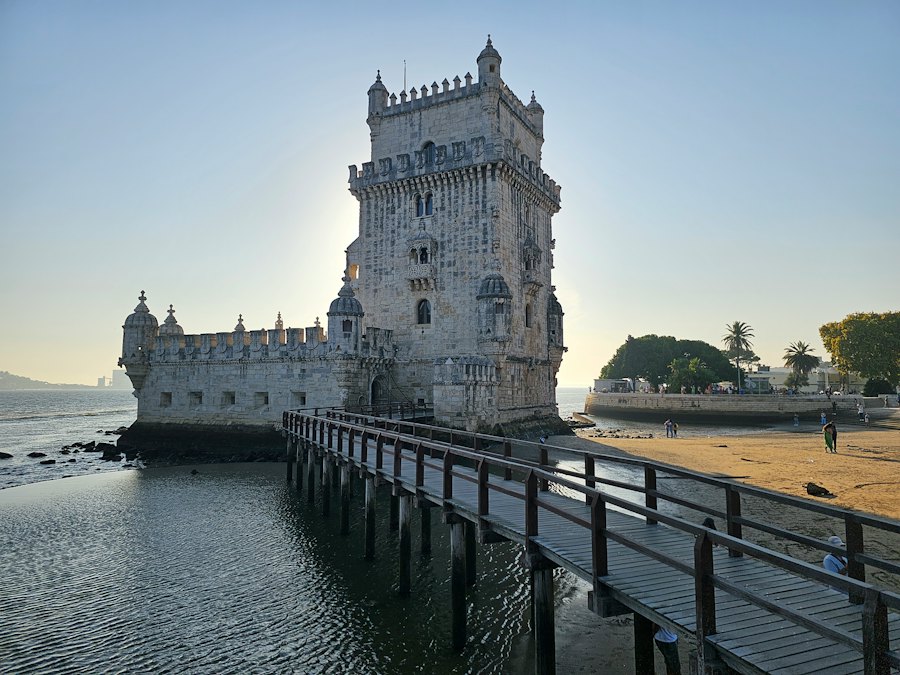
Photo: Robbie Walls on Unsplash
View Full Gallery (3)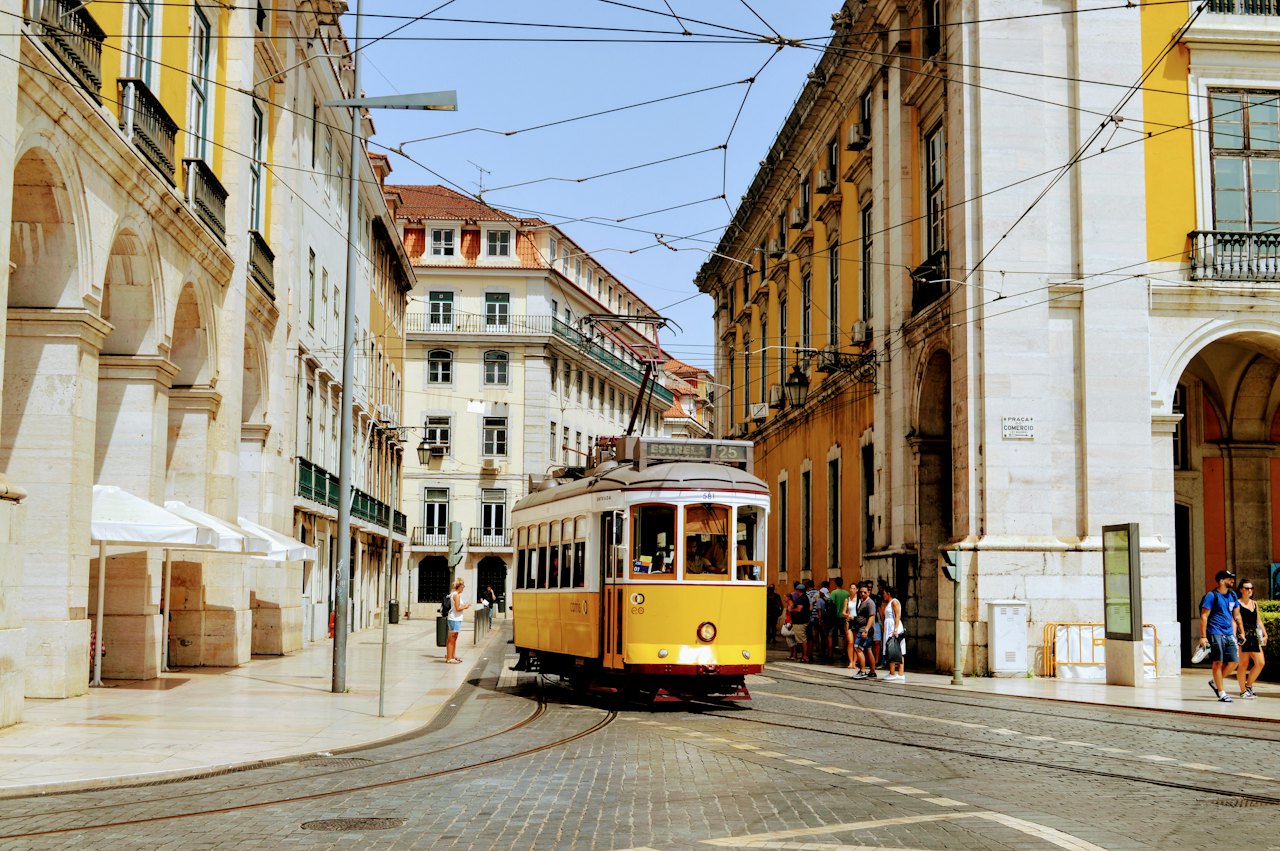
Overview
Portugal offers extraordinary value, a mild Atlantic climate, stunning architecture, and one of Europe's most beloved cuisines. From Lisbon's tram-laced hills and Porto's wine cellars to the Algarve's golden sea cliffs.
Portugal's reputation as Europe's good-value corner is still mostly true, but it is slipping. Lisbon's hills are steep and its centre has grown expensive; Porto is smaller and quicker to know; the Alentejo and the north remain cheap, quiet and underrated. A pastel de nata runs about $1.35 (€1.20; ≈ £1.07) and a coffee less. Trains between Lisbon and Porto take about three hours. In July and August the Algarve beaches fill by mid-morning, so go in late May or September. Watch for pickpockets on Lisbon's trams, particularly the famous Number 28, and wear comfortable shoes for the cobbles. For a quieter trip, take the train north to Guimarães or Évora, where a three-course lunch with wine still costs under $17 (€15; ≈ £13) and no one is queuing.
Tram 28 is crowded; the Elevador da Bica and the miradouros give the view with fewer elbows. Eat pastel de nata in the morning: it costs about $1.35-$2.25 (€1.20-2.00; ≈ £1.05-1.75) at a bakery.
Porto's riverfront and port cellars pair with a scenic train up the Douro to wine country.
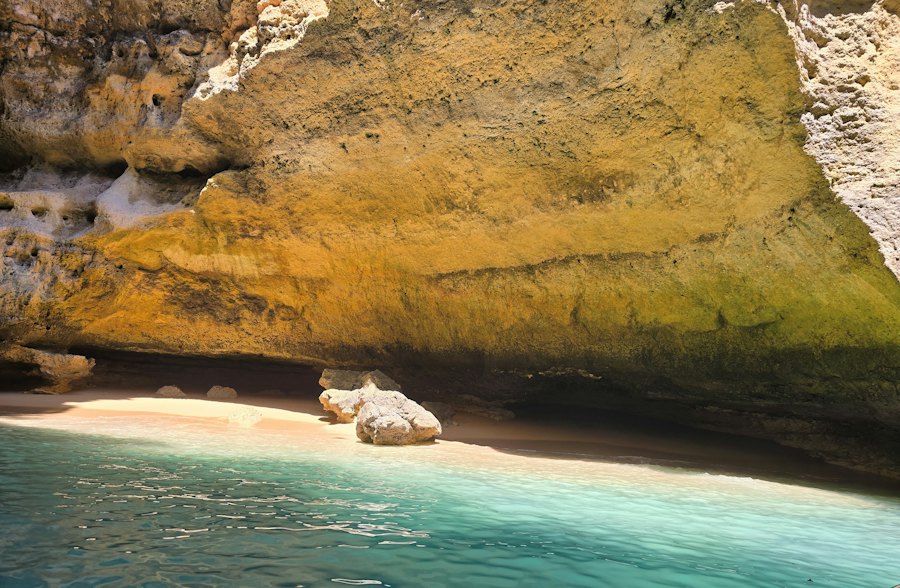
Benagil cave and the Lagos cliffs are the classic images. June and September are quieter than July and August. The cave is reached only on licensed boat tours or guided kayak and paddleboard trips; swimming in or landing on its beach is banned, and boats stay for viewing only.
Best time
Best months for most visitors: Apr–Jun & Sep–Oct. Good weather, thinner crowds and fairer prices.
March to May and September to October are the sweet spot.
June to August is peak season, with Lisbon highs averaging about 28–29°C / 82–84°F and heatwaves that push past 35°C / 95°F, full Algarve beaches and the highest hotel rates of the year.
November to February is cool and wet, with Lisbon highs of about 15–16°C / 59–61°F, nights around 8–10°C / 46–50°F and storms on the Atlantic coast.
Booking window: reserve flights and stays 2–3 months ahead for Apr–Jun & Sep–Oct, and 4–6 months ahead for peak season (Jun–Aug).
Partner links. We earn a commission at no extra cost to you; sponsors never change a ranking or safety note. How we earn money →
Weather
Current temperature loads here when your browser can reach Open-Meteo.
Weather data: Open-Meteo Historical & Live API. A single reading for the main town or area, not the whole destination.
Peak season about 28°C / 82°F; shoulder season about 19°C / 66°F.
Rain: Moderate; wetter in winter.
Hot, dry summers and mild, wet winters. Atlantic breezes keep Lisbon bearable in July.
Cooler and wetter, especially in winter. Summer in the Douro can exceed 38°C / 100°F.
December to April the water averages 15-16.5°C / 59-62°F (59-62°F); May and June 17.5-19°C / 64-66°F (63-66°F); July to September, the warmest, 20-21.5°C / 68-71°F (68-71°F); October and November 18-19.5°C / 64-67°F (64-67°F).
Coastal Porto stays cooler, and so does the Atlantic: Algarve sea temperatures only reach about 20-21.5°C / 68-71°F (68-71°F) in July to September. Book Algarve and Lisbon rooms three to five months ahead, and expect queues at Sintra and Belém.
For the best mix of sun and lower prices, aim for April to early June and September to October, when days are warm, the sea is at its warmest in September, though only about 20-21.5°C / 68-71°F (68-71°F) and the Douro harvest begins. Rain is possible in spring, but crowds and rates are noticeably lower than in summer.
Many Algarve restaurants and hotels close, but Lisbon and Porto stay lively and cheap, apart from New Year. Check opening hours outside the main cities, particularly on the coast.
Weather data: Open-Meteo Historical & Live API (live reading). Typical highs and season notes are our own summaries. How we verify →
Safety
Last updated: government levels come from our editor-verified table (October 2026). When the live UK FCDO check succeeds, its exact UTC time appears in the panel below. The banner takes the most cautious of the five agencies, so a live UK warning always outranks a green entry in our table and any part-country warning shows as red. We never show a level we haven’t checked. How we verify →
Government levels: editor-verified table, October 2026 How we verify →
Five official agencies, one view. Ratings change, so each pill opens the agency’s own page for today’s level.
Tier 5/5 · Very low risk. Normal precautions: petty theft in Lisbon and Porto.
The UK FCDO, US State Department and Australian DFAT generally rate Portugal as a country for normal precautions, with pickpocketing the main concern in Lisbon and Porto. The FCDO flags a high wildfire risk from April to October, and official advice may also mention rip currents on Atlantic beaches and occasional strikes. Alerts and rules change, so check the current Portugal pages from all three governments before you book. Always confirm current advice.
Our plain-English summary of what the UK FCDO, US State Department, Australian Smartraveller, Japan MOFA and South Korea MOFA publish. We quote no live ratings from memory; each button above opens the agency's own page.
Our opinion, not an official warning
Regional nuance: The UK FCDO (updated 11 Aug 2026) flags a high risk of wildfires from April to October and otherwise treats Portugal as routine, with Schengen entry rules. There is no regional restriction on the tourist trail.
The concerns that are real: Pickpockets favour tram 28, Baixa and the metro, and street dealers offer drugs and phones in central Lisbon. Rip tides on Atlantic beaches are strong, so obey the flags. Avoid standalone ATMs and always choose to pay in euros. Watch bags on the Sintra train.
What headlines overstate: Stories about protests over housing or tourism make Portugal sound hostile to visitors. Demonstrations are peaceful and local, and street crime is mostly petty rather than violent.
Written by our editors from general travel knowledge and kept apart from the agencies above. How we verify →
Costs
Backpacker
$55 (≈ €50 / £45) per person per day
What it covers: Hostel, guesthouse (pensão) or budget-chain room such as Moov Hotels in Porto and Évora at $28-$73 (€25-65; ≈ £22-57) a night, espresso at about $1.12 (€1.00; ≈ £0.90), pastel de nata at $1.35-$2.25 (€1.20-2.00; ≈ £1.05-1.75), bifana lunches and a prato do dia or menu do dia at $9-$13.50 (€8-12; ≈ £7-10.50) with a main, bread and soup or a drink, metro and tram day passes, and free miradouros and beaches.
Mid-Range (default)
$120 (≈ €105 / £95) per person per day
What it covers: Three- or four-star double at $78-$174 (€70-155; ≈ £62-137) a night, with three-star hotels around $84-$95 (€75-85; ≈ £66-75) and four-star closer to $168 (€150; ≈ £132), sit-down meals with wine, including seafood or bacalhau mains at $17-$28 (€15-25; ≈ £13-22), CP trains between cities, Sintra palace tickets and one paid tasting or river cruise.
Boutique
$260 (≈ €230 / £200) per person per day
What it covers: Five-star hotel (such as InterContinental Porto Palacio das Cardosas, Pestana Vintage Porto or Corpo Santo Lisbon) or Douro quinta at $269-$560 (≈ €240–500 / £210–440)+ (€240-500+; ≈ £212-441+) a night, tasting-menu dinners, a private driver for Sintra or the Douro, and private wine and food tours.
Cost source: Audited Local Lodging Taxes, Rail Tariffs & Dining Averages (our own estimates, flights excluded). How we verify →
Source: Should I Go's own estimates, October 2026, in USD per person excluding international flights; euro figures are rough conversions. A couple shares a room, so accommodation drops 25% per person. Prices move, so treat these as a planning range, not a quote.
Estimated total: $0 (≈ €0 / £0)
Estimate in USD per trip, excluding international flights. Two or more travellers share rooms, so accommodation drops 25% per person. Budget and luxury tiers are scaled from the mid-range figure.
Cost source: Audited Local Lodging Taxes, Rail Tariffs & Dining Averages (our own estimates, flights excluded). How we verify →
Where to base yourself
Hilltop viewpoints, pastry shops and day trips to Sintra. A good first base.
Granite streets, tiled churches and port wine lodges across the river.
Terraced vineyards and quintas. Best by train or river cruise.
Sea caves, golden cliffs and a long beach season.
Itineraries
Getting between stops: CP trains from Rossio to Sintra take about 40 minutes; trams and metro in Lisbon.
Getting between stops: Alfa Pendular trains take about 3 hours Lisbon to Porto; book ahead.
Getting between stops: A rental car helps for the Alentejo and Algarve; trains and buses cover the rest.
Routes and timetables change. Confirm transit times with the operator before you book.
Do and stay
Best for: First-timers
Pros: Central for trams, metro and sights, with restaurants, miradouros and the riverfront all within a short walk. A short walk from the Tagus.
Watch for: Steep, cobbled and loud at night, especially in Bairro Alto. Prices are the highest in the country, and pickpockets work crowded areas.
Best for: Value
Pros: Compact and walkable, with good cafes, galleries and bookshops, and lower prices than Lisbon. Metro and São Bento station are close.
Watch for: Hilly in places, and the riverside Ribeira area is crowded and pricey. Fewer big hotels than Lisbon.
Best for: Beaches and quiet
Pros: A Roman-bridge town with ferry access to Ilha de Tavira, calmer than Albufeira and cheaper than Lagos, with decent seafood restaurants.
Watch for: Quiet at night and out of season. Beyond the town you need a car or train for other beaches.
These are partner links. We may earn a commission at no extra cost to you.
Trade-offs
Final verdict
Editorial opinion from Should I Go, written from general travel knowledge and reviewed periodically. Verify prices, entry rules and advisories before you book.
Typical costs and rules change; confirm with official sources before you travel.
It is still good value compared with France, Italy or the UK, but Lisbon and the Algarve are no longer cheap. Porto, the north and the Alentejo cost noticeably less. A coffee runs about $1.10 (€1; ≈ £0.87), a pastel de nata about $1.35 (€1.20; ≈ £1.07) and a lunch menu about $11–17 (€10–15; ≈ £8.69–13). Outside the main cities, prices fall further.
Three or four days suit Lisbon, including a Sintra day trip, and two days suit Porto. A week lets you add the Douro Valley or Évora. The fast train between the two cities takes about three hours, and trains are comfortable and reliable. Book trains ahead for weekends and holidays.
Late May, June and September are best: warm and sunny, with open restaurants and quieter beaches. July and August are hot and crowded, and rates soar. From November to February many businesses close, though winter golf and walking are pleasant. Sea temperatures stay cool all year, and late summer (August to September) is the warmest.
Get live weather, activities, travel advisories, and personalised tips for Portugal
Check Portugal Now →Have you visited Portugal? Was it worth it? Readers can vote: Worth Every Penny, Great in Shoulder Season Only, or Overrated / Skip It.