West-coast coves
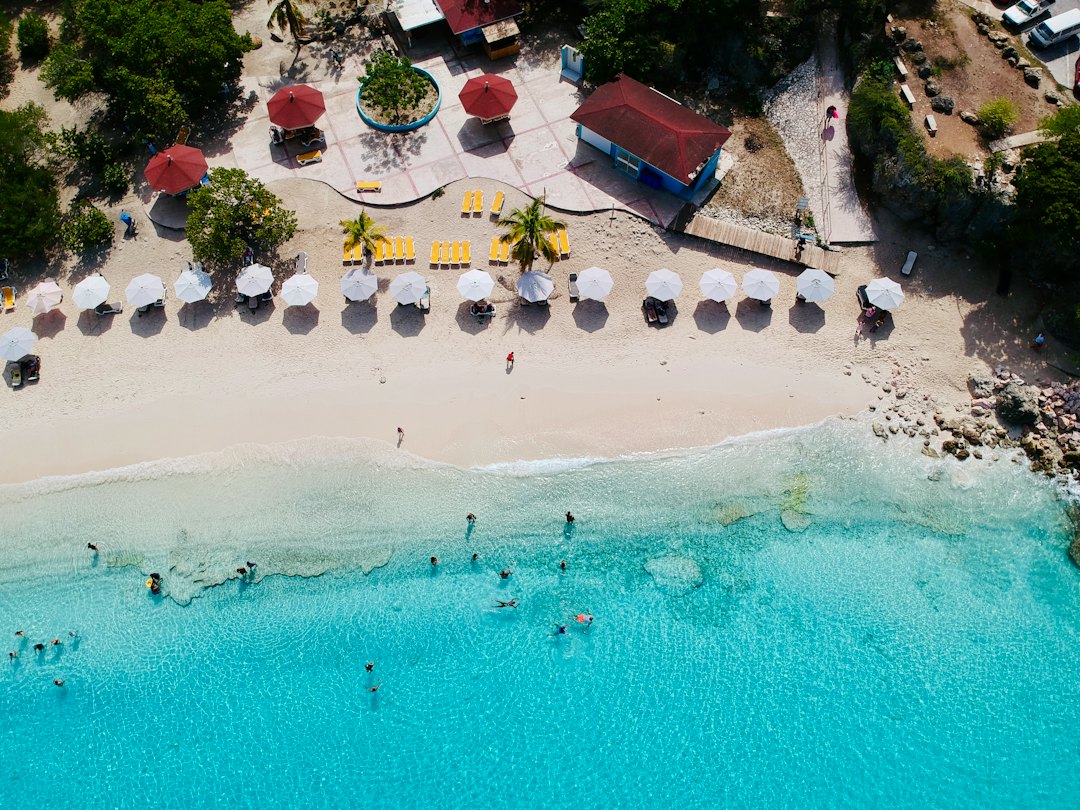
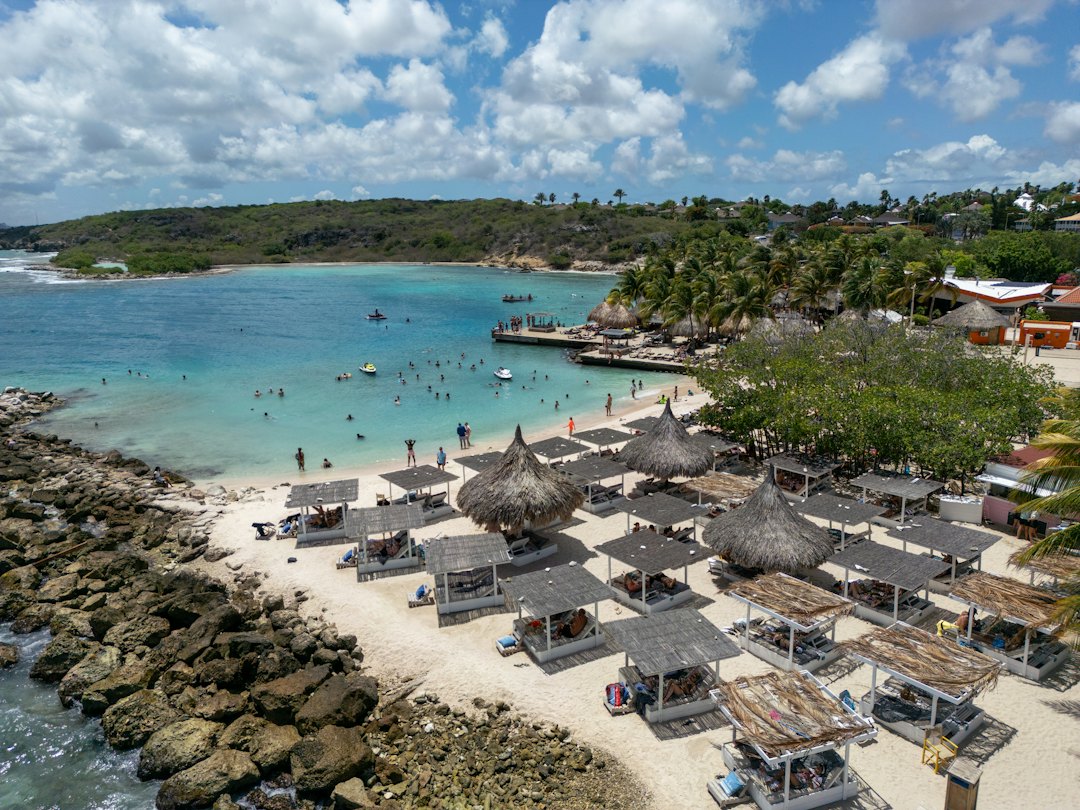
Grote Knip, Cas Abao and Playa Lagun are among the coves tucked under the cliffs, with clear water and snorkelling from the shore. Go early, as parking fills and the sun builds by midday.
Willemstad’s Handelskade waterfront
Best months: May–Aug & Nov (peak Dec–Apr)
Photo: Cole Marshall on Unsplash
Photo: Stephan van de Schootbrugge on Unsplash
Photo: Bent Van Aeken on Unsplash
View Full Gallery (3)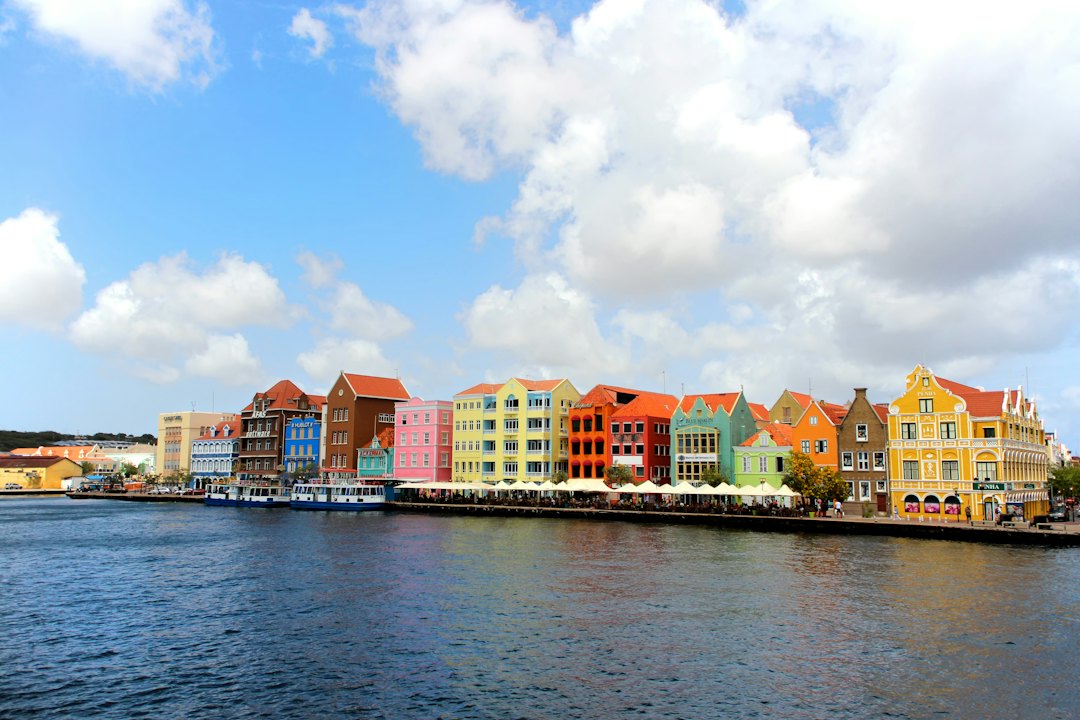
Overview
Curaçao is the Caribbean island that makes you earn the beach. There is no ten-mile resort strip. Instead there are dozens of small coves, each tucked beneath a cliff on the west coast, each with a patch of pale sand, a ladder or a few steps into deep, clear water and, at the better ones, a snack bar. It is cheaper than its neighbours Aruba and the Cayman Islands, quieter than both, and the colour of the capital is real: Willemstad’s pastel Dutch-colonial waterfront is a UNESCO World Heritage site.
Start in town. Punda and Otrobanda face each other across St Anna Bay, joined by the Queen Emma pontoon bridge, which swings open for ships. Pietermaai, the district beyond Punda, is where old merchant houses have become small hotels, bars and restaurants. Then rent a car, which you will need for the coast: Grote Knip, Cas Abao and Playa Lagun are among the west-coast coves that suit swimming and snorkelling, and the island is known for more than 35 beaches and shore-diving sites. Klein Curaçao, a small uninhabited island about 10 km (6 miles) south-east of the main island, is the day-boat trip. The trade-off is plain. If you want a ten-mile resort strip or car-free hopping between beaches, Curaçao makes you drive, and the cheapest airport taxis are not cheap.
The best months are May to August and November, with highs of 30 to 31°C / 86 to 88°F (86 to 88°F), though November is the wettest month in our model data. December to April is the peak, with highs of 28 to 30°C / 82 to 86°F (83 to 86°F). September and October are the quietest and hottest. The FCDO says most hurricanes pass well to the north of Curaçao. Prices and rules are approximate and written from general knowledge, so check them before you go.
Grote Knip, Cas Abao and Playa Lagun are among the coves tucked under the cliffs, with clear water and snorkelling from the shore. Go early, as parking fills and the sun builds by midday.
Pastel Dutch-colonial buildings along the Handelskade, a UNESCO World Heritage site. Cross the Queen Emma pontoon bridge, and eat in Pietermaai in the evening.
A small uninhabited island reached by day boat, with a beach and a lighthouse. Book a licensed operator and bring sun protection, as there is little shade.
Best time
Best months for most visitors: May–Aug & Nov (peak Dec–Apr). Good weather, thinner crowds and fairer prices.
May to August is the sweet spot, with highs of 30 to 31°C / 86 to 88°F (86 to 88°F), warm sea and thinner crowds.
December to April is the peak, with highs of 28 to 30°C / 82 to 86°F (83 to 86°F) and the fewest rain days from March to May.
September and October are the hottest and quietest, with highs of 31°C / 88°F (88°F) and the warmest sea at about 30°C / 86°F (86°F).
Booking window: reserve flights and stays 2–3 months ahead for May–Aug & Nov (peak Dec–Apr), and 4–6 months ahead for peak season (Jan–Apr, Dec).
Partner links. We earn a commission at no extra cost to you; sponsors never change a ranking or safety note. How we earn money →
Weather
Current temperature loads here when your browser can reach Open-Meteo.
Weather data: Open-Meteo Historical & Live API. A single reading for the main town or area, not the whole destination.
Peak season about 29°C / 84°F; shoulder season about 30°C / 86°F.
Rain: Driest March to May; wetter October to December.
Highs of 28 to 30°C / 82 to 86°F (83 to 86°F) with lows of about 25°C / 77°F (77°F). The peak season, with 6 to 18 rain days a month in the model data, fewest in April and May and most in December, mostly short showers.
Hot and breezy, with highs of 30 to 31°C / 86 to 88°F (86 to 88°F). The sea is 28 to 29°C / 82 to 84°F (82 to 84°F), and rain days run from about 6 in May to 13 in July in the model data.
The hottest at 31°C / 88°F (88°F) in September, with a sea of about 30°C / 86°F (86°F) in October. October to December are the wettest months, with short showers; the FCDO says most hurricanes pass well to the north.
Book flights and rooms early.
November is cheaper than December but is the wettest month in the model data, with short showers.
The FCDO says most hurricanes pass well to the north of Curaçao, though occasional tropical storms occur.
Weather data: Open-Meteo Historical & Live API (live reading). Typical highs and season notes are our own summaries. How we verify →
Safety
Last updated: government levels come from our editor-verified table (October 2026). When the live UK FCDO check succeeds, its exact UTC time appears in the panel below. The banner takes the most cautious of the five agencies, so a live UK warning always outranks a green entry in our table and any part-country warning shows as red. We never show a level we haven’t checked. How we verify →
Government levels: editor-verified table, October 2026 How we verify →
Five official agencies, one view. Ratings change, so each pill opens the agency’s own page for today’s level.
Tier 4/5 · Standard caution. No warning against travel: the FCDO page for Curaçao says petty theft and street crime are a concern, with violent crimes related to the illegal drugs world, though the main tourist areas are generally safe; it also lists the June to November hurricane season.
The UK FCDO page for Curaçao (updated 10 December 2025) carries no warning against travel. It says petty theft and street crime are a concern, that there are violent crimes related to the illegal drugs world, but that the main tourist areas are generally safe. It advises avoiding isolated areas, including beaches, after dark, keeping valuables secure and out of sight and looking out for bag snatchers. It says criminals use the Dutch Caribbean islands to smuggle drugs, so never leave luggage unattended when departing and do not agree to carry a package. It advises checking that a taxi is registered (plates starting TX) and agreeing the price first, and carrying a copy of the photo page of your passport. It notes there is no recent history of terrorism, though attacks cannot be ruled out, and that most hurricanes pass well to the north. Read the current page before you book and again before you travel, because wording changes. Our own rating of 4 out of 5 is an estimate, not an official level.
Our plain-English summary of what the UK FCDO, US State Department, Australian Smartraveller, Japan MOFA and South Korea MOFA publish. We quote no live ratings from memory; each button above opens the agency's own page.
Our opinion, not an official warning
Regional nuance: The UK FCDO page for Curaçao carries no warning against travel but says petty theft and street crime are a concern, with violent crimes related to the illegal drugs world, though the main tourist areas are generally safe; most hurricanes pass well to the north. Rental-car and taxi notes are our own.
The concerns that are real: The problems are practical. Cars parked at beaches are targets, rental-car damage disputes happen, and some airport taxis charge steeply. Photograph the car, leave nothing visible and agree taxi fares.
What headlines overstate: Headlines about drug trafficking in the Dutch Caribbean describe real risks, and the FCDO says to be careful with luggage. The main tourist areas are generally safe.
Written by our editors from general travel knowledge and kept apart from the agencies above. How we verify →
Costs
Backpacker
$100 (≈ €90 / £80) per person per day
What it covers: A guesthouse or apartment in Willemstad, supermarket meals and snack-bar lunches, and sharing a rental car to the beaches.
Mid-Range (default)
$220 (≈ €195 / £175) per person per day
What it covers: A boutique hotel in Pietermaai or a resort at Jan Thiel, restaurant dinners, a rental car for the week and one boat trip.
Boutique
$480 (≈ €430 / £380) per person per day
What it covers: A beachfront resort suite or private villa, a private boat to Klein Curaçao, tasting dinners and transfers.
Cost source: Audited Local Lodging Taxes, Rail Tariffs & Dining Averages (our own estimates, flights excluded). How we verify →
Source: Should I Go's own estimates, October 2026, in USD per person excluding international flights; euro figures are rough conversions. A couple shares a room, so accommodation drops 25% per person. Prices move, so treat these as a planning range, not a quote.
Estimated total: $0 (≈ €0 / £0)
Estimate in USD per trip, excluding international flights. Two or more travellers share rooms, so accommodation drops 25% per person. Budget and luxury tiers are scaled from the mid-range figure.
Cost source: Audited Local Lodging Taxes, Rail Tariffs & Dining Averages (our own estimates, flights excluded). How we verify →
Where to base yourself
The UNESCO waterfront, the pontoon bridge, forts and museums, with markets by the harbour.
Restored merchant houses, small hotels, bars and restaurants beside the old town.
Beach clubs, restaurants and resorts along a sheltered stretch of the south coast.
The cove beaches, shore diving, cliffs and quiet evenings at the north-west tip.
Itineraries
Getting between stops: Rent a car at the airport; Willemstad is about 20 minutes away. Photograph the tyres and bodywork at pickup.
Getting between stops: A car is needed for the west coast. Visit the coves early and avoid isolated beaches after dark.
Getting between stops: Check dive operators’ credentials and safety equipment, and carry insurance that covers evacuation.
Routes and timetables change. Confirm transit times with the operator before you book.
Do and stay
Best for: Culture, food and evenings in the old town
Pros: Restored merchant houses, bars and restaurants, with the UNESCO waterfront within walking distance.
Watch for: No beach in town, and nights near the bars can be noisy.
Best for: Resorts with beach clubs and easy dinners
Pros: A beach strip on the south coast close to Willemstad, with restaurants and water sports.
Watch for: Busier and pricier, and the beach is less wild than the west.
Best for: Divers and snorkellers who want the coves
Pros: The beaches at the north-west tip, with clear water and quiet evenings.
Watch for: A car is essential, and restaurants close early.
These are partner links. We may earn a commission at no extra cost to you.
Trade-offs
Final verdict
Editorial opinion from Should I Go, written from general travel knowledge and reviewed periodically. Verify prices, entry rules and advisories before you book.
Typical costs and rules change; confirm with official sources before you travel.
May to August and November balance sun and lower prices. December to April is the peak, and September and October are the hottest and quietest. The FCDO says most hurricanes pass well to the north of Curaçao.
Yes, for most travellers. Willemstad is about 20 minutes from the airport, but the best west-coast coves, including Westpunt, need a car. Photograph the tyres and bodywork at pickup.
UK passport holders must complete a digital immigration card 48 hours before arrival and can stay up to 90 days in a calendar year without a visa. A yellow fever certificate is needed if you arrive from a country listed as a transmission risk.
The UK FCDO page for Curaçao carries no warning against travel but says petty theft and street crime are a concern and there are violent crimes related to the illegal drugs world, though the main tourist areas are generally safe. Avoid isolated areas and beaches after dark.
Get live weather, activities, travel advisories, and personalised tips for Curaçao, Caribbean
Check Curaçao, Caribbean Now →Have you visited Curaçao, Caribbean? Was it worth it? Readers can vote: Worth Every Penny, Great in Shoulder Season Only, or Overrated / Skip It.