📍 Should I Go
Home 🇪🇬 Egypt Destination Guide

Egypt — Is It the Right Destination for You?

Overview

Egypt at a Glance: What It Is Really Like

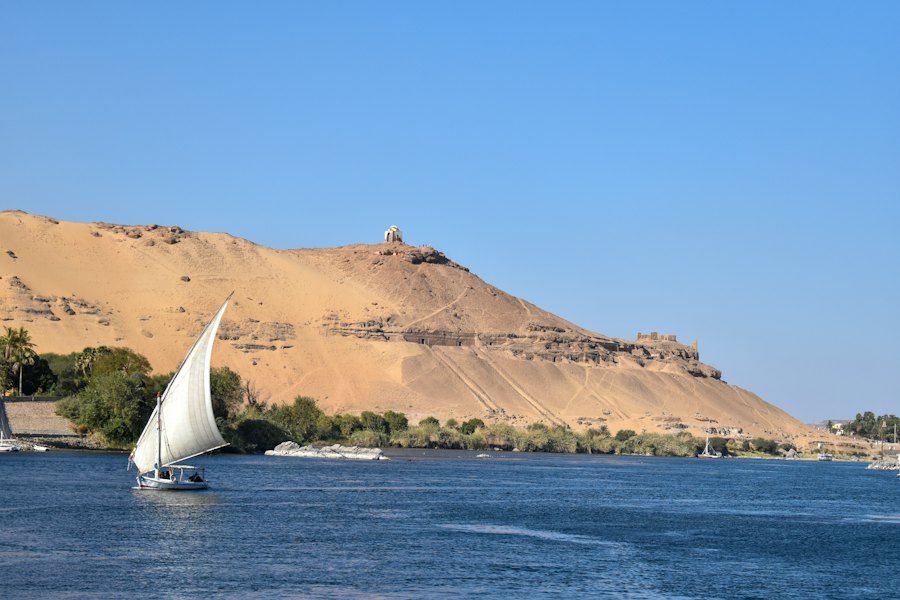
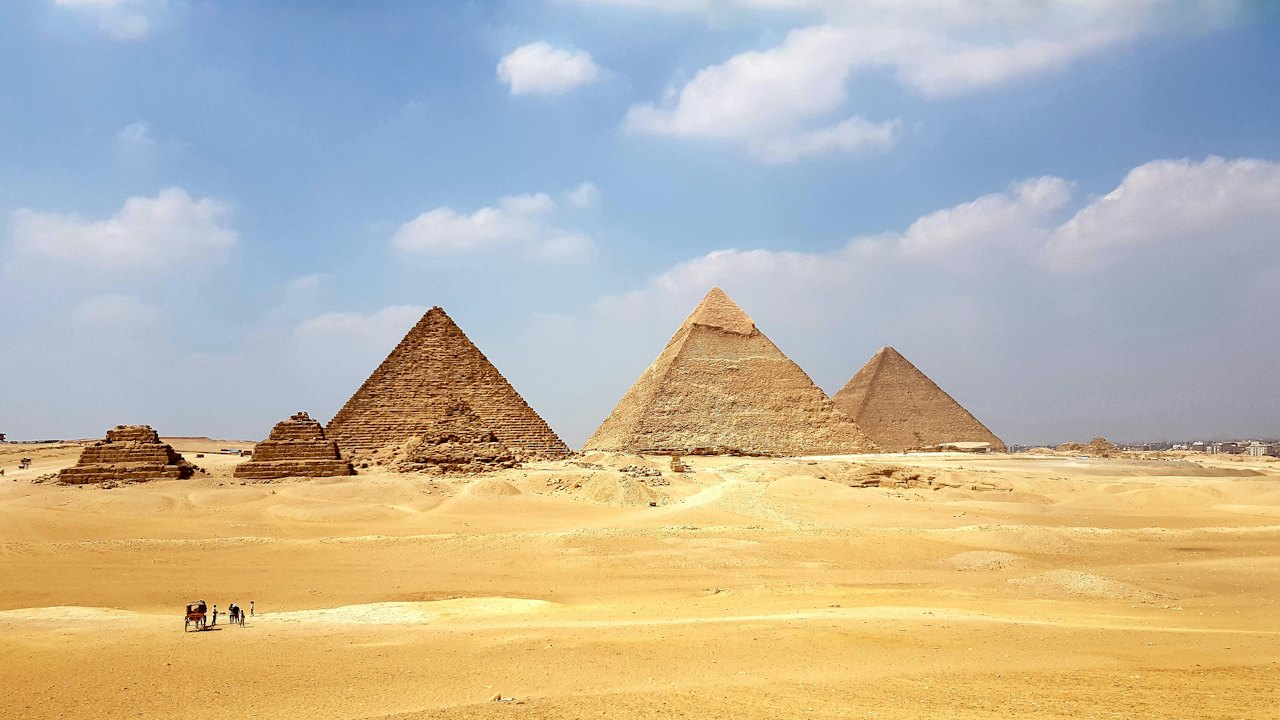
Egypt asks you to hold two things at once: the oldest monuments most people will ever stand beside, and a modern country that is loud, hot and busy around them. The Pyramids of Giza, the temples of Luxor and Karnak, the Valley of the Kings, Abu Simbel and a slow felucca on the Nile at Aswan are all as good as their reputation. The Red Sea adds some of the cheapest good diving and snorkelling anywhere.

It is also a place where you will be asked, politely and repeatedly, to buy something. Expect touts at the big sites, haggling over almost everything, and a daily rhythm built around heat. Most of the sightseeing is best done from October to April, early in the morning, with a driver or a licensed guide booked in advance. The Grand Egyptian Museum near Giza is now the headline stop in Cairo, and it deserves at least four hours. Egypt rewards patience and punishes impatience: bargain calmly, carry small notes for tips, and go in the cooler months.

Three highlights worth the trip

Giza and the Egyptian Museum

General admission to the Giza plateau was about EGP 700 (about $13 (≈ €12 / £10)) in April 2026, with the Great Pyramid interior extra. Go at opening, then give the Grand Egyptian Museum at least four hours; its tickets are sold online only.

Luxor's temples and tombs

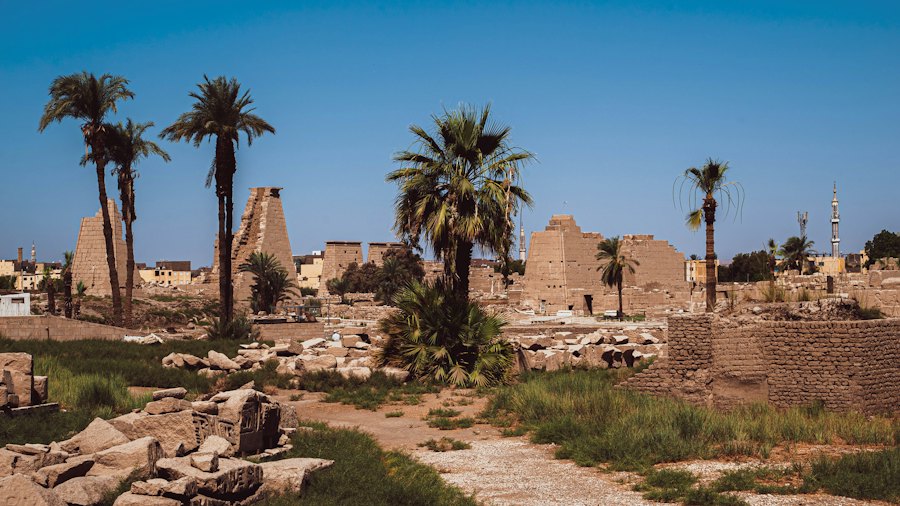
Karnak, Luxor Temple, the Valley of the Kings and Hatshepsut's temple fill two days.

Nile cruises and Aswan

Cruises from Luxor to Aswan cover temples at Edfu and Kom Ombo. Philae and Abu Simbel are near Aswan.

Best time

Best Time to Visit Egypt: A 12-Month View

Best months for most visitors: Oct–Apr. Good weather, thinner crowds and fairer prices.

  1. JanSweet (Sweet spot)
  2. FebSweet (Sweet spot)
  3. MarSweet (Sweet spot)
  4. AprPeak (Peak season)
  5. MayOff (Off-peak)
  6. JunOff (Off-peak)
  7. JulOff (Off-peak)
  8. AugOff (Off-peak)
  9. SepPeak (Peak season)
  10. OctSweet (Sweet spot)
  11. NovSweet (Sweet spot)
  12. DecSweet (Sweet spot)
  • Sweet = best balance of weather, crowds and price
  • Peak = busiest and dearest (or hottest)
  • Off = quiet; check weather and closures
Shoulder / sweet spot

October, November, March and April are warm and good for sightseeing, with fewer crowds than midwinter.

Peak season

December to February is peak season: pleasant days of about 19 to 25 degrees Celsius, cool nights, and busy sites, especially around Christmas and New Year.

Off-peak

June to September is very hot, often above 40 degrees Celsius in Luxor and Aswan.

Booking window: reserve flights and stays 2–3 months ahead for Oct–Apr, and 4–6 months ahead for peak season (Apr, Sep).

Partner links. We earn a commission at no extra cost to you; sponsors never change a ranking or safety note. How we earn money →

Weather

Weather and Seasonal Conditions in Egypt

Right now in Egypt

Current temperature loads here when your browser can reach Open-Meteo.

Weather data: Open-Meteo Historical & Live API. A single reading for the main town or area, not the whole destination.

Regional breakdown

Winter (Oct–Apr)

Warm days and cool nights, the best time to visit.

Summer

Very hot, often over 40°C / 104°F in Luxor and Aswan.

What each season feels like

Peak season

Nile cruises and Luxor hotels sell out and prices are at their highest, so book ahead.

Shoulder season

March to May can bring sandstorms and dusty khamsin winds, and rising heat in Upper Egypt. The Red Sea is pleasant for swimming from about April to June.

Off-peak

Prices drop, crowds thin, and temples are quiet at dawn, but afternoons are punishing. If you must go then, focus on the Red Sea coast, Alexandria or early mornings only.

Weather data: Open-Meteo Historical & Live API (live reading). Typical highs and season notes are our own summaries. How we verify →

Safety

Is Egypt Safe? The Five-Government Check

Last updated: government levels come from our editor-verified table (October 2026). When the live UK FCDO check succeeds, its exact UTC time appears in the panel below. The banner takes the most cautious of the five agencies, so a live UK warning always outranks a green entry in our table and any part-country warning shows as red. We never show a level we haven’t checked. How we verify →

Summary of what the agencies publish

Tier 3/5 · Increased caution. Normal to increased caution in main tourist areas; some border and remote regions are advised against.

The UK FCDO, US State Department and Australian DFAT publish detailed advice for Egypt, and it varies by region. The UK FCDO advises against all travel to North Sinai and to within 20 km / 12 mi of the Libyan border, and against all but essential travel to the northern part of South Sinai, the part of Ismailia east of the Suez Canal, the Hala’ib Triangle and Bir Tawil, and most of the Western Desert away from named routes and oases. Luxor, Aswan, Abu Simbel, the Valley of the Kings and the Red Sea resorts are outside those areas. FCDO also notes a high threat of terrorism and, in its 27 October 2026 update, a high risk of sudden escalation in the wider regional conflict. Check all three official pages before booking and again before you go.

Our plain-English summary of what the UK FCDO, US State Department, Australian Smartraveller, Japan MOFA and South Korea MOFA publish. We quote no live ratings from memory; each button above opens the agency's own page.

Editorial Opinions & Street-Smart Reality

Our opinion, not an official warning

Regional nuance: Government advice for Egypt varies by region: North Sinai, the Libyan border zone, northern South Sinai, east Ismailia, the Hala’ib Triangle and Bir Tawil, and much of the Western Desert are advised against, while Cairo, Luxor, Aswan and the Red Sea resorts see regular visitors. Check the official pages before you book and stay on standard routes.

  • Touts, fake guides, fare disputes and overcharging at the pyramids and in markets
  • Heat, stomach upsets and chaotic traffic in Cairo; women may get unwelcome attention in busy areas

The concerns that are real: Day to day, the problems are petty: touts, overcharging, fake guides, taxi fare disputes and pushy shop owners. Women travellers often report staring and verbal harassment in busy areas, so modest clothing and confident, brief replies help. FCDO also reports sexual assaults, mostly in Red Sea resorts and often by someone the victim had already met, such as hotel or excursion staff, and advises against travelling alone in taxis at night. Safety standards on Red Sea dive boats and some Nile boats vary, so check an operator’s record and insurance. Road traffic is chaotic, and tap water and food hygiene cause stomach upsets more often than anything else.

What headlines overstate: Regional news can make the whole country sound unstable, but the areas advised against are far from the standard tourist circuit. Most visitors who book licensed guides and use trusted transport describe a trouble-free trip.

Written by our editors from general travel knowledge and kept apart from the agencies above. How we verify →
Costs

Daily Costs in Egypt: Three Ways to Travel

Choose a travel style

Backpacker

$45 (≈ €40 / £35) per person per day

$315 (≈ €280 / £250)7 days, solo
$559 (≈ €500 / £440)7 days, couple (total for two, shared room)

What it covers: Hostel dorm or simple hotel, street food such as koshari and ful, metro and local transport, and one paid site entry a day.

Where a day's money goes (solo)

  • Accommodation$20 (≈ €18 / £16)
  • Food$14 (≈ €13 / £11)
  • Transit$7 (≈ €6.25 / £5.51)
  • Activities$5 (≈ €4.46 / £3.94)

Mid-Range (default)

$100 (≈ €90 / £80) per person per day

$700 (≈ €630 / £550)7 days, solo
$1,243 (≈ €1,110 / £980)7 days, couple (total for two, shared room)

What it covers: Comfortable three- or four-star hotel, restaurant meals, private driver or Uber for some days, site tickets and a guide for the major monuments.

Where a day's money goes (solo)

  • Accommodation$45 (≈ €40 / £35)
  • Food$30 (≈ €25 / £25)
  • Transit$15 (≈ €13 / £12)
  • Activities$10 (≈ €8.93 / £7.87)

Boutique

$220 (≈ €195 / £175) per person per day

$1,540 (≈ €1,380 / £1,210)7 days, solo
$2,734 (≈ €2,450 / £2,150)7 days, couple (total for two, shared room)

What it covers: Five-star hotel or Nile-view suite, private guide and driver, a Nile cruise cabin, fine dining and domestic flights between Cairo, Luxor and Aswan.

Where a day's money goes (solo)

  • Accommodation$99 (≈ €90 / £80)
  • Food$66 (≈ €60 / £50)
  • Transit$33 (≈ €30 / £25)
  • Activities$22 (≈ €20 / £17)

Cost source: Audited Local Lodging Taxes, Rail Tariffs & Dining Averages (our own estimates, flights excluded). How we verify →

Source: Should I Go's own estimates, October 2026, in USD per person excluding international flights; euro figures are rough conversions. A couple shares a room, so accommodation drops 25% per person. Prices move, so treat these as a planning range, not a quote.

Trip Budget Calculator

Estimated total: $0 (≈ €0 / £0)

  • Stay 45%
  • Food 30%
  • Transit 15%
  • Sights 10%

Estimate in USD per trip, excluding international flights. Two or more travellers share rooms, so accommodation drops 25% per person. Budget and luxury tiers are scaled from the mid-range figure.

Cost source: Audited Local Lodging Taxes, Rail Tariffs & Dining Averages (our own estimates, flights excluded). How we verify →

Where to base yourself

Four Regions and Cities in Egypt

Min. 3 nights

Cairo and Giza

Pyramids, markets and the museum.

Min. 3 nights

Luxor

The world's largest open-air museum.

Min. 2 nights

Aswan

Nile views, Philae and Abu Simbel trips.

Min. 3 nights

Red Sea (Hurghada or Dahab)

Diving, snorkelling and beaches.

Itineraries

Three Itineraries for Egypt

7 days

Cairo and Luxor

  1. Days 1–3: Cairo.
  2. Day 4: flight to Luxor.
  3. Days 5–6: Luxor.
  4. Day 7: return.

Getting between stops: EgyptAir domestic flights Cairo–Luxor take about 1 hour. Express trains take about 10 hours, run overnight too, and foreigners pay a steep premium over local fares.

8 days

Nile classic

  1. Days 1–3: Cairo.
  2. Days 4–7: Nile cruise Luxor to Aswan.
  3. Day 8: Abu Simbel and return.

Getting between stops: Luxor to Aswan cruises run roughly two to four nights depending on the boat and direction. Abu Simbel is a road convoy of about 3 hours each way, often leaving around 4 am, or a short flight from Aswan.

10 days

Egypt and the Red Sea

  1. Days 1–3: Cairo.
  2. Days 4–6: Luxor.
  3. Days 7–10: Red Sea resort.

Getting between stops: Fly Luxor to Hurghada; coach and ferry options exist.

Routes and timetables change. Confirm transit times with the operator before you book.

Do and stay

Things to Do and Where to Stay in Egypt

Top things to do

  • Pyramids of Giza and the Grand Egyptian Museum
  • Luxor: Karnak Temple and the Valley of the Kings
  • Abu Simbel temples
  • Nile cruise or felucca at Aswan
  • Red Sea diving at Dahab and Hurghada

Insider tips

  • Visit Giza and Luxor at opening time, before the heat and the tour buses
  • Carry small notes for baksheesh (tips) - you will need them constantly
  • Use Uber or Careem in Cairo rather than haggling with street taxis
  • Agree the price of any camel, horse or felucca ride before you get on
  • Book a licensed guide for Luxor's west bank - the tombs make little sense without one

Neighbourhoods to choose from

  • Giza / Near the Pyramids

    Best for: First-timers

    Pros: Wake up to a view of the pyramids and beat the crowds to the gates. Many hotels have rooftops with sightlines, and the new Grand Egyptian Museum is nearby.

    Watch for: Touts around the plateau can be relentless, restaurants are touristy and the area is a long drive from downtown Cairo's other sights.

  • Zamalek, Cairo

    Best for: Cafes and calm

    Pros: A leafy island in the Nile with good restaurants, galleries and cafes, and a quieter feel than central Cairo. Easy by Uber to Islamic Cairo and the museums.

    Watch for: Prices run higher than elsewhere in Cairo, and the island is not on the metro. Traffic on the bridges can be heavy.

  • Luxor East Bank / West Bank

    Best for: Temples and tombs

    Pros: The east bank has Karnak, Luxor Temple, restaurants and transport links. The west bank has guesthouses near the Valley of the Kings, farmland views and a slower pace.

    Watch for: Touts and caleche drivers on the east bank are persistent. The west bank has fewer restaurants and needs transport for sights.

Live Accommodation Map

Trade-offs

Advantages and Honest Disadvantages of Egypt

Advantages

  • Unrivalled ancient sites.
  • Excellent value for hotels and guides.
  • Warm winter weather.
  • Red Sea diving.

Honest disadvantages

  • Hassle and touts at major sites.
  • Cairo traffic and noise.
  • Summer heat is extreme.
  • Check government advice for regions.

Final verdict

Final Verdict: Is Egypt the Right Destination for You?

Who Will Love Egypt

  • History enthusiastsThe depth is unmatched.
  • DiversRed Sea reefs.
  • Winter sun seekersWarm when Europe is cold.

Who Should Consider Somewhere Else

Editorial opinion from Should I Go, written from general travel knowledge and reviewed periodically. Verify prices, entry rules and advisories before you book.

Know Before You Go

  • Airport to city centreCairo airport (CAI) to central Cairo is about 45-90 minutes depending on traffic. Uber or Careem costs roughly $8-15 (≈ €7.14–13 / £6.30–12) (approximate); agree the fare before getting in a street taxi.
  • Visa & entry rulesMost Western passports need a visa. Apply for an e-visa in advance, or buy one on arrival at approved airports: $30 (≈ €25 / £25) in cash, or $36 (≈ €30 / £30) by card at the digital machines at Cairo airport (from 1 August 2026), according to UK FCDO advice of 27 October 2026. Your passport needs six months’ validity, and you do not need an airport agent. Rules and fees change, so check the official Egyptian pages before you fly.
  • Cash, cards & ATMsCash is still king outside hotels. Use bank ATMs in cities, keep a stack of small notes for tips, and expect the exchange rate to move; the pound was about 56 to $1 (≈ €0.89 / £0.79) on 2 November 2026 and has been volatile.
  • Tap water & healthDrink bottled water only, and be careful with salads and ice outside good hotels. Traveller's stomach is common, so pack rehydration salts.
  • Tipping customTipping (baksheesh) is expected for many small services at tourist sites, though Egyptians rarely tip in restaurants, where a 10 to 12% service charge is often added. Carry small notes: roughly EGP 10 to 20 for a bellman, EGP 3 to 10 for a toilet attendant and EGP 50 to 100 a day for a tour driver (Wikivoyage figures).
  • #1 local scam to watch forTouts at the pyramids and markets will say a site is closed, or offer a free ride that ends at a papyrus or perfume shop. Politely decline and walk on.

Typical costs and rules change; confirm with official sources before you travel.

Getting From the Airport Into Town

  • Route: Cairo International Airport (CAI), by Uber, Careem or a pre-arranged hotel transfer; there is no direct metro link to the city, though public buses and a growing monorail and train network are being built.
  • Time: Roughly 45 to 90 minutes to central Cairo (about 15 km / 9.3 mi), depending on traffic.
  • Fare: Approximately $8 to $15 (≈ €7.14–13 / £6.30–12) by ride-hailing app; official airport taxis cost more, so agree the price first.

Egypt: Your Questions Answered

What is the best month to visit Egypt?

November to March is the most comfortable time, with warm, dry days that suit long hours outdoors at temples and tombs. October and April are also good but warmer, especially in Luxor and Aswan. Avoid June to August if you plan to sightsee, because temperatures regularly exceed 40 degrees Celsius.

Is Egypt safe for tourists?

Most visitors to Cairo, Luxor, Aswan and the Red Sea resorts have trouble-free trips, though governments advise extra caution and advise against travel to some regions such as parts of North Sinai and certain border areas. Expect petty hassle more than danger. Check the FCDO, State Department and DFAT pages for current advice before booking.

How many days do you need in Egypt?

Ten days to two weeks is a good first trip: three or four in Cairo and Giza, three or four in Luxor, and two in Aswan with Abu Simbel, with a flight or train between them. A week is possible if you focus on Cairo and Luxor. Add three or four days for the Red Sea if you want to dive or snorkel.

Get live weather, activities, travel advisories, and personalised tips for Egypt

Check Egypt Now →

Worth the hype?

Have you visited Egypt? Was it worth it? Readers can vote: Worth Every Penny, Great in Shoulder Season Only, or Overrated / Skip It.