Waterfalls and the south coast
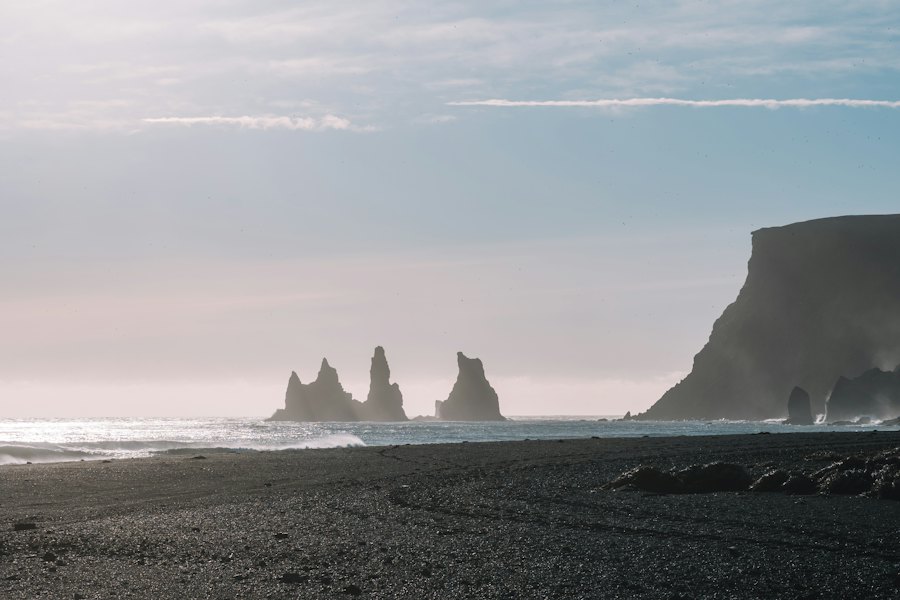
Seljalandsfoss, Skógafoss and Reynisfjara black sand beach sit along the Ring Road, about two hours from Reykjavik.
Seljalandsfoss, South Iceland
Best months: Jun–Aug, or Sep–Mar for aurora
Photo: Curren Podlesny on Unsplash
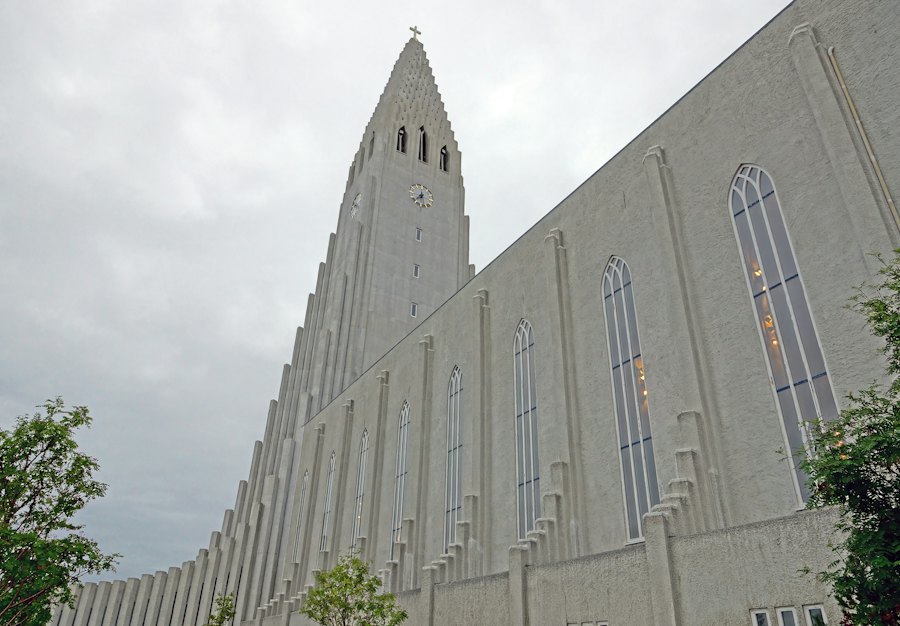
Photo: Martti Salmi on Unsplash
Photo: ERIC MIYAGI on Unsplash
View Full Gallery (3)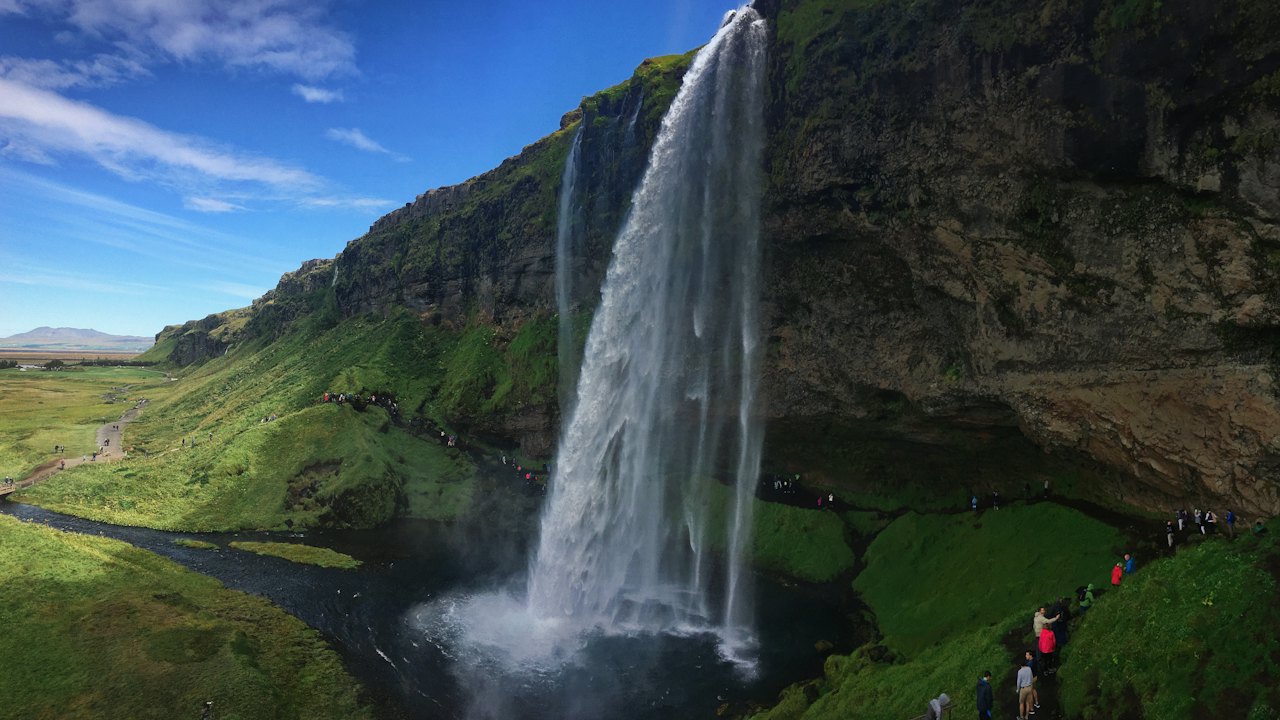
Overview
Iceland is one of the most otherworldly destinations on Earth — geysers, volcanoes, glacier hikes, the Northern Lights, and almost continuous summer daylight. No two hours of driving look the same.
Iceland is expensive, and it is still worth it if you spend where it counts. A beer in Reykjavik can top $10 (≈ €8.93 / £7.87), so shop at supermarkets and put the money into a rental car. The Ring Road runs about 1,300 km (810 mi), and seven to ten days is a sensible lap. Soak in a local geothermal pool instead of the Blue Lagoon (which must be booked online in advance: there are no tickets at the door, and cancellations inside 24 hours are not refunded), and do not drive F-roads without a proper 4x4. Weather decides everything: wind can close roads in an hour, so check road.is and the forecast each morning. Summer brings midnight sun, winter brings aurora, and shoulder months bring the best prices.
Seljalandsfoss, Skógafoss and Reynisfjara black sand beach sit along the Ring Road, about two hours from Reykjavik.
September to March is aurora season; success needs clear skies and patience. Do not book a trip around one night.
The Blue Lagoon is famous but pricey. Local pools such as Sky Lagoon or village pools cost less.
Best time
Best months for most visitors: Jun–Aug, or Sep–Mar for aurora. Good weather, thinner crowds and fairer prices.
March to May and September to October are the sweet spot.
June to August is peak season: near-endless daylight, temperatures of roughly 10–15°C / 50–59°F, and highland F-roads opening from late June.
November to February is the low season, with short days, ice on the roads and regular storm closures.
Booking window: reserve flights and stays 2–3 months ahead for Jun–Aug, or Sep–Mar for aurora, and 4–6 months ahead for peak season (Jun–Aug).
Partner links. We earn a commission at no extra cost to you; sponsors never change a ranking or safety note. How we earn money →
Weather
Current temperature loads here when your browser can reach Open-Meteo.
Weather data: Open-Meteo Historical & Live API. A single reading for the main town or area, not the whole destination.
Peak season about 15°C / 59°F; shoulder season about 6°C / 43°F.
Rain: Moderate; unpredictable year-round.
Mild by Arctic standards but changeable. Wind and rain are normal in any month.
Roads open only from about June to September; weather turns fast.
It is also when rental cars, campervans and guesthouses cost most and sell out, so book four to six months ahead.
For the best balance of weather and price, aim for May, when days are long and puffins return, or September, when the first aurora appears and rates fall noticeably from August. Expect cold wind and occasional snow, but fewer crowds at Gullfoss and Jökulsárlón.
Prices fall, except around Christmas and New Year. This is also the best aurora window, and natural ice caves run from November to March, safest in January and February (the Katla cave near Vík and the Langjökull ice tunnel stay open all year).
Weather data: Open-Meteo Historical & Live API (live reading). Typical highs and season notes are our own summaries. How we verify →
Safety
Last updated: government levels come from our editor-verified table (October 2026). When the live UK FCDO check succeeds, its exact UTC time appears in the panel below. The banner takes the most cautious of the five agencies, so a live UK warning always outranks a green entry in our table and any part-country warning shows as red. We never show a level we haven’t checked. How we verify →
Government levels: editor-verified table, October 2026 How we verify →
Five official agencies, one view. Ratings change, so each pill opens the agency’s own page for today’s level.
Tier 4/5 · Standard caution. Normal precautions: weather, road conditions and volcanic activity.
The UK FCDO, US State Department and Australian DFAT generally describe Iceland as low-risk for crime and tell visitors to take normal precautions. Their warnings centre on nature: severe weather, road closures, volcanic activity on the Reykjanes Peninsula, and dangerous coastlines. Advice changes with eruptions and storms, so read each government's current Iceland page before you book and again before you travel.
Our plain-English summary of what the UK FCDO, US State Department, Australian Smartraveller, Japan MOFA and South Korea MOFA publish. We quote no live ratings from memory; each button above opens the agency's own page.
Our opinion, not an official warning
Regional nuance: Iceland's advice centres on volcanic activity on the Reykjanes peninsula and weather, not crime. Some areas are closed at times, so check local alerts.
The concerns that are real: Weather and driving cause the real trouble. Sneaker waves at Reynisfjara kill tourists, wind can tear off car doors, and F-roads need a proper 4x4. Check road.is and safetravel.is daily. Petty theft is rare, but fake rental damage claims do happen.
What headlines overstate: Headlines about eruptions suggest the whole island is closed. In practice, eruptions affect a small area of the Reykjanes Peninsula, and flights and Reykjavik carry on. Check local alerts rather than panicking.
Written by our editors from general travel knowledge and kept apart from the agencies above. How we verify →
Costs
Backpacker
$115 (≈ €105 / £90) per person per day
What it covers: Hostel dorm or campsite, supermarket meals from Bónus, shared car hire split between travellers, a hot dog at Bæjarins Beztu, and free waterfalls and local swimming pools.
Mid-Range (default)
$250 (≈ €220 / £195) per person per day
What it covers: Guesthouse double room, one sit-down meal a day, a small rental car and fuel, a geothermal pool entry and one paid tour such as a glacier walk or whale watch.
Boutique
$550 (≈ €490 / £430) per person per day
What it covers: Design hotels or country lodges, tasting-menu dinners in Reykjavik, a 4x4 or private driver, a Silfra snorkel or helicopter flight and a private Sky Lagoon or Blue Lagoon visit.
Cost source: Audited Local Lodging Taxes, Rail Tariffs & Dining Averages (our own estimates, flights excluded). How we verify →
Source: Should I Go's own estimates, October 2026, in USD per person excluding international flights; euro figures are rough conversions. A couple shares a room, so accommodation drops 25% per person. Prices move, so treat these as a planning range, not a quote.
Estimated total: $0 (≈ €0 / £0)
Estimate in USD per trip, excluding international flights. Two or more travellers share rooms, so accommodation drops 25% per person. Budget and luxury tiers are scaled from the mid-range figure.
Cost source: Audited Local Lodging Taxes, Rail Tariffs & Dining Averages (our own estimates, flights excluded). How we verify →
Where to base yourself
Compact capital with museums and good food. A base for day trips.
Waterfalls, glaciers and black sand beaches. The most popular route.
Mountain, coast and lava in a small package. A day trip from Reykjavik.
Mývatn, Goðafoss and whale watching. Longer drive, quieter roads.
Itineraries
Getting between stops: Rental car or day tour; Route 1 east is easy in summer but icy in winter.
Getting between stops: A rental car covers the Ring Road; allow long driving days.
Getting between stops: Book accommodation early; fuel stations are sparse in the east.
Routes and timetables change. Confirm transit times with the operator before you book.
Do and stay
Best for: First-timers
Pros: Walkable restaurants, bars and museums, with tours and airport buses departing from the centre. Easy to leave the car parked for a night or two.
Watch for: Most expensive beds in the country, and street parking is metered and awkward. Nights can be noisy at weekends.
Best for: Scenery on a short trip
Pros: Close to Reynisfjara, Skógafoss and Sólheimajökull, so you can reach waterfalls and glacier walks before the day-trip buses arrive. Early starts are easy.
Watch for: Tiny town with limited restaurants and few beds, so rooms sell out early in summer. Evening options are thin.
Best for: Ring Road and whale watching
Pros: North Iceland's main town has good cafes, a botanical garden and whale-watching boats, with Goðafoss and Mývatn within an hour or so by car.
Watch for: Far from Reykjavik, about five hours' drive. Winter road conditions can make the transfer slow or impossible.
These are partner links. We may earn a commission at no extra cost to you.
Trade-offs
Final verdict
Editorial opinion from Should I Go, written from general travel knowledge and reviewed periodically. Verify prices, entry rules and advisories before you book.
Typical costs and rules change; confirm with official sources before you travel.
Yes, if you spend on the right things. Rental car, fuel and a few key experiences deliver the value; restaurants and alcohol are where costs balloon. Self-catering from supermarkets, using local pools instead of the Blue Lagoon, and travelling in May or September keep a week manageable for mid-range travellers.
Seven to ten days is a comfortable lap of roughly 1,300 km (810 mi), leaving time for stops. Six days is possible but rushed, and winter conditions can add delays. If you only have four or five days, stick to the South Coast and Golden Circle instead. Allow extra days in winter, when wind and ice can close sections of road.
The aurora season runs from about September to mid-April, with the darkest months, October to March, the most reliable. You need clear skies, dark surroundings away from Reykjavik's lights, and some patience. Check the Icelandic Met Office aurora and cloud forecast each evening. The aurora cannot be guaranteed, so allow several nights and book accommodation away from city lights.
Get live weather, activities, travel advisories, and personalised tips for Iceland
Check Iceland Now →Have you visited Iceland? Was it worth it? Readers can vote: Worth Every Penny, Great in Shoulder Season Only, or Overrated / Skip It.