Istanbul's mosques and bazaars
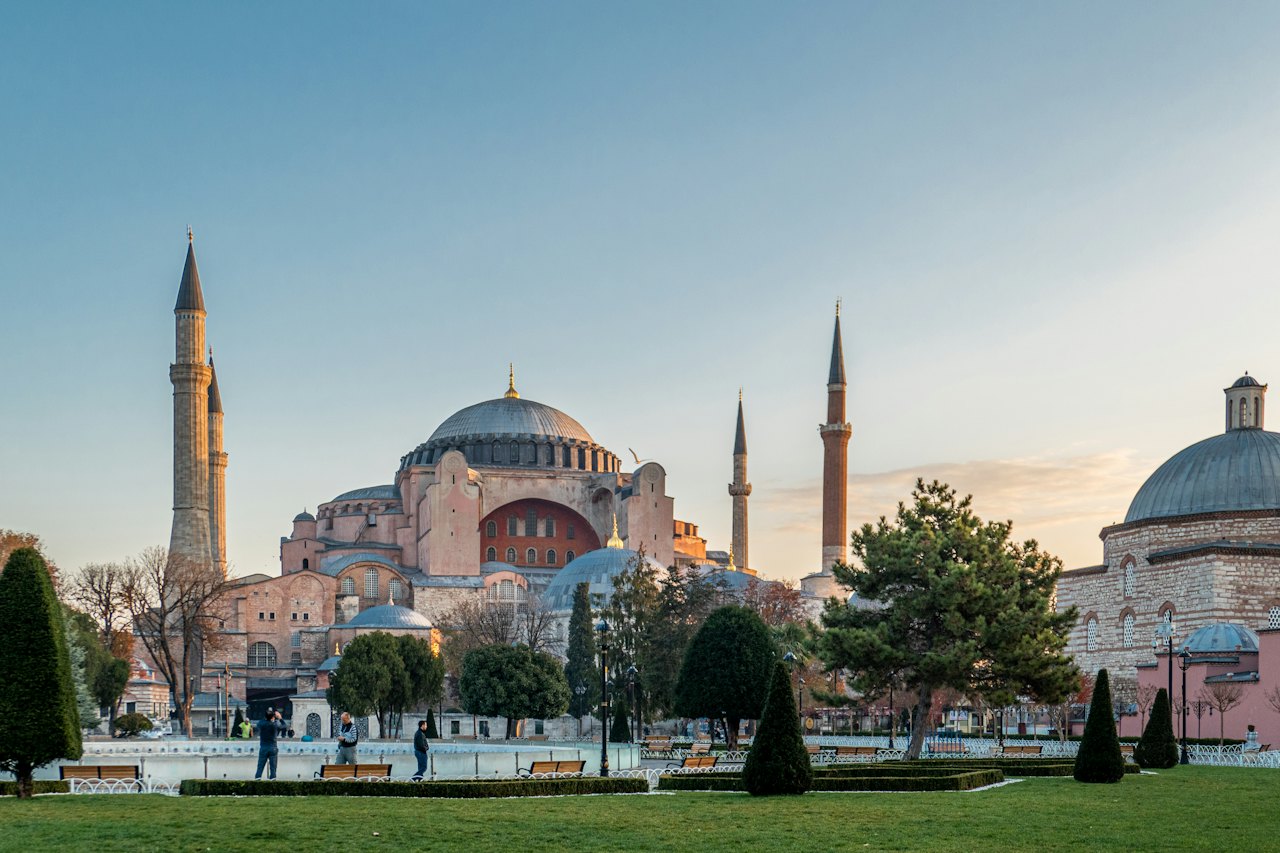
Hagia Sophia, the Blue Mosque and the Grand Bazaar; take a Bosphorus ferry for the skyline.
Photo: Darren Lee on Unsplash
Overview
Turkey is a country of overlapping layers. Istanbul sits on two continents with Byzantine churches and Ottoman mosques, Cappadocia's tuff valleys hold cave churches and balloons at dawn, and the Aegean and Mediterranean coasts offer Greek and Roman ruins beside pebble beaches. Food is its quiet strength: breakfast spreads, grilled kebabs, meze and baklava are good in every price range.
The country is large, and the pace of the visit matters. Istanbul alone takes four days, and distances to Cappadocia or the coast mean domestic flights are often better than long buses. Haggling in bazaars is expected, but so is a polite refusal. High inflation has pushed prices up in lira, though the cost to visitors paying in foreign currency has stayed moderate. April to June and September to October are the best months for weather and crowds, as July and August are hot on the coast and in Istanbul. Check official advice for the southeast near the Syrian and Iraqi borders, and be aware that the country sits on active earthquake zones.
Hagia Sophia, the Blue Mosque and the Grand Bazaar; take a Bosphorus ferry for the skyline.
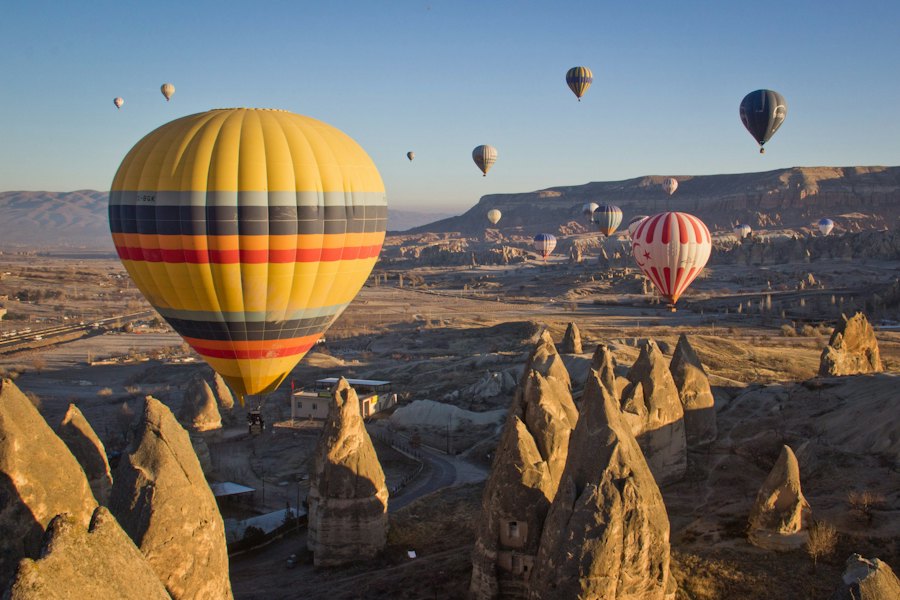
Fairy chimneys, cave hotels and sunrise balloon flights. Balloons need calm weather.
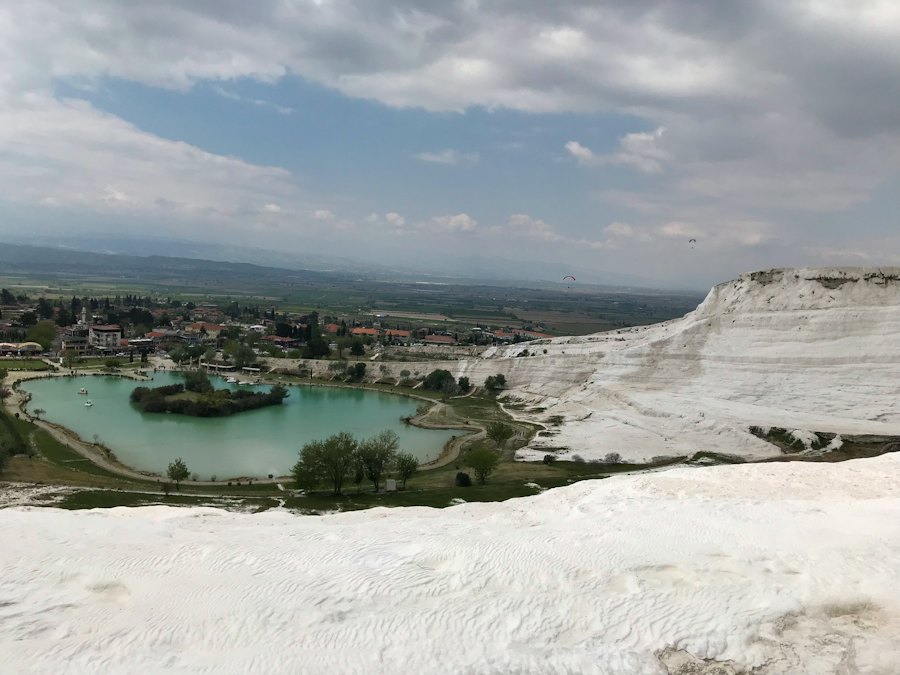
White travertine pools and Roman ruins at Ephesus.
Best time
Best months for most visitors: Apr–Jun & Sep–Oct. Good weather, thinner crowds and fairer prices.
April to June and September to October are the best months, with mild or warm weather, open attractions and lower prices.
July and August are hot and busy on the coast, with temperatures often above 35 degrees Celsius, and Istanbul crowded with tourists.
November to March is cool to cold, with rain in Istanbul and the coast and snow in Cappadocia and central and eastern Turkey.
Booking window: reserve flights and stays 2–3 months ahead for Apr–Jun & Sep–Oct, and 4–6 months ahead for peak season (Mar, Jul–Aug, Nov).
Partner links. We earn a commission at no extra cost to you; sponsors never change a ranking or safety note. How we earn money →
Weather
Current temperature loads here when your browser can reach Open-Meteo.
Weather data: Open-Meteo Historical & Live API. A single reading for the main town or area, not the whole destination.
Mild and clear, the best months.
Summer is hot on the coast; winter is cold in Cappadocia and Istanbul.
Beach resorts and Cappadocia are at their most expensive, so book ahead. The south coast can be uncomfortably hot, and the Aegean has the strong meltemi wind.
Tulips bloom in Istanbul in April, the sea is warm from June, and autumn light is good for walking and sightseeing. Some coastal facilities are still open into October.
Many coastal hotels and restaurants close, but Istanbul is quieter and cheaper, and Cappadocia in snow is striking, though balloons often cancel.
Weather data: Open-Meteo Historical & Live API (live reading). Typical highs and season notes are our own summaries. How we verify →
Safety
Last updated: government levels come from our editor-verified table (October 2026). When the live UK FCDO check succeeds, its exact UTC time appears in the panel below. The banner takes the most cautious of the five agencies, so a live UK warning always outranks a green entry in our table and any part-country warning shows as red. We never show a level we haven’t checked. How we verify →
Government levels: editor-verified table, October 2026 How we verify →
Five official agencies, one view. Ratings change, so each pill opens the agency’s own page for today’s level.
Tier 3/5 · Increased caution. Take precautions: petty theft, scams, earthquake risk and regional security; some southeastern border areas have stricter advice.
The UK FCDO, US State Department and Australian DFAT each publish separate advice for Turkey, and it varies by region. They generally advise caution across the country because of terrorism risk and the possibility of demonstrations, and advise against or restrict travel to areas near the Syrian and Iraqi borders in the southeast. They also mention earthquakes, petty crime and local laws, so check the official pages from all three before booking and again before you travel.
Our plain-English summary of what the UK FCDO, US State Department, Australian Smartraveller, Japan MOFA and South Korea MOFA publish. We quote no live ratings from memory; each button above opens the agency's own page.
Our opinion, not an official warning
Regional nuance: Official advice for Turkey generally advises against or restricts travel near the Syrian and Iraqi borders in the southeast, and mentions terrorism risk, demonstrations and earthquake zones. Istanbul, Cappadocia and the western and southern coasts are visited routinely.
The concerns that are real: Petty theft in crowded areas such as Istiklal Street and on trams, taxi overcharging, and carpet-shop and bar scams are the most common problems. Road safety is a concern outside the cities. Laws about photographing military sites, insulting state symbols and drugs are strict, and political demonstrations can be policed firmly.
What headlines overstate: Headlines about politics, border conflicts and the 2023 earthquakes concern specific areas and moments. Istanbul, Cappadocia and the Aegean and Mediterranean coasts are visited by millions of tourists every year, but conditions change, so check current advice and local news.
Written by our editors from general travel knowledge and kept apart from the agencies above. How we verify →
Costs
Backpacker
$45 (≈ €40 / £35) per person per day
What it covers: Hostel dorm or simple pension, simit, doner and lokanta lunches, trams, metro and buses, with one or two museum entries.
Mid-Range (default)
$100 (≈ €90 / £80) per person per day
What it covers: Boutique hotel or cave room shared by two, restaurant dinners, museum entries, domestic flights now and then and a Cappadocia tour.
Boutique
$220 (≈ €195 / £175) per person per day
What it covers: Five-star or cave-hotel suite, private guides and transfers, balloon flights, tasting menus and Bosphorus boat hire.
Cost source: Audited Local Lodging Taxes, Rail Tariffs & Dining Averages (our own estimates, flights excluded). How we verify →
Source: Should I Go's own estimates, October 2026, in USD per person excluding international flights; euro figures are rough conversions. A couple shares a room, so accommodation drops 25% per person. Prices move, so treat these as a planning range, not a quote.
Estimated total: $0 (≈ €0 / £0)
Estimate in USD per trip, excluding international flights. Two or more travellers share rooms, so accommodation drops 25% per person. Budget and luxury tiers are scaled from the mid-range figure.
Cost source: Audited Local Lodging Taxes, Rail Tariffs & Dining Averages (our own estimates, flights excluded). How we verify →
Where to base yourself
Mosques, bazaars and the Bosphorus.
Valleys, cave hotels and balloons.
Roman ruins and beach towns.
Beaches and ancient Lycia.
Itineraries
Getting between stops: Flights take about 1 hour 20 minutes; internal buses are long.
Getting between stops: Domestic flights and comfortable coaches link the legs.
Getting between stops: Mix flights and long-distance buses.
Routes and timetables change. Confirm transit times with the operator before you book.
Do and stay
Best for: First-timers
Pros: Sultanahmet puts Hagia Sophia, the Blue Mosque and Topkapi within walking distance, while Karakoy and Galata have cafes, bars and boutique hotels, and tram links to both.
Watch for: Sultanahmet is touristy and quiet at night, with pushy restaurant touts. Hills are steep and some hotels have small rooms.
Best for: Balloons and scenery
Pros: Cave hotels, terrace views of the balloons at sunrise and hiking in valleys. Goreme is the easiest base for budget and mid-range stays.
Watch for: Busy at sunrise and in summer, and cave rooms can be damp or dark. A car or tour is useful for the outlying sights.
Best for: Ruins and coast
Pros: Selcuk is the base for Ephesus and quiet Aegean villages, while Kas is a relaxed harbour town on the Turquoise Coast with diving and boat trips.
Watch for: Limited nightlife and transport, with summer heat. Beaches in Kas are small and pebbly.
These are partner links. We may earn a commission at no extra cost to you.
Trade-offs
Final verdict
Editorial opinion from Should I Go, written from general travel knowledge and reviewed periodically. Verify prices, entry rules and advisories before you book.
Typical costs and rules change; confirm with official sources before you travel.
April to June and September to October are best, with pleasant weather, good light and fewer crowds than midsummer. Istanbul is excellent in spring when the tulips bloom, and the coast is warm enough for swimming from June to October. July and August are hot and busy, and winter is cold and wet, with many coastal businesses closed.
It is good value for visitors paying in foreign currency, though inflation has pushed prices up in lira and they change quickly. Mid-range travellers should expect about $85 to $120 (≈ €75–105 / £65–95) per person per day. Istanbul and Cappadocia balloons cost the most, while eating at local lokantas, using public transport and travelling outside July and August keep costs down.
Ten days to two weeks is a good first trip: four days in Istanbul, three in Cappadocia, and three or four on the Aegean or Mediterranean coast. Use domestic flights between regions to save time. A short trip of four or five days can be Istanbul alone, which has enough to fill it.
Get live weather, activities, travel advisories, and personalised tips for Turkey
Check Turkey Now →Have you visited Turkey? Was it worth it? Readers can vote: Worth Every Penny, Great in Shoulder Season Only, or Overrated / Skip It.