Haleakalā sunrise
A reservation is required for sunrise at the summit. Dress warmly; it is cold and windy at about 3,000 metres (10,000 ft).
Haleakalā crater, Maui
Best months: Apr-May & Sep-Oct (whales Dec-Mar)
Photo: Carol Highsmith's America on Unsplash
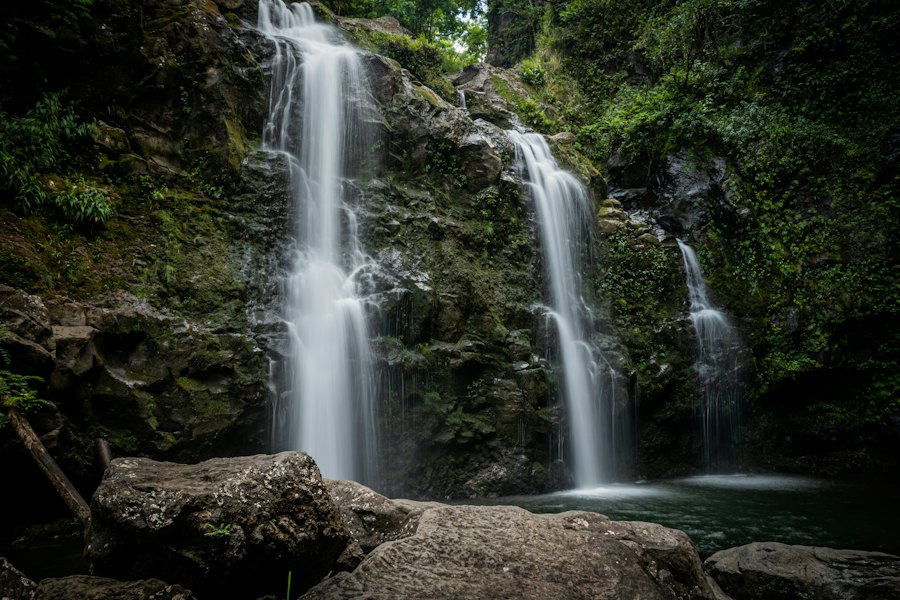
Photo: Derek Baumgartner on Unsplash
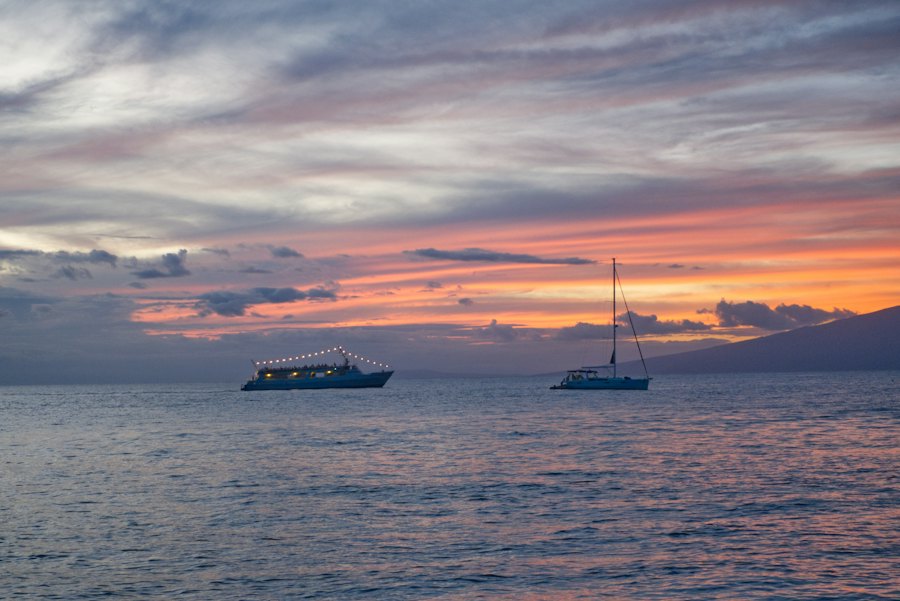
Photo: Justin Busa on Unsplash
View Full Gallery (3)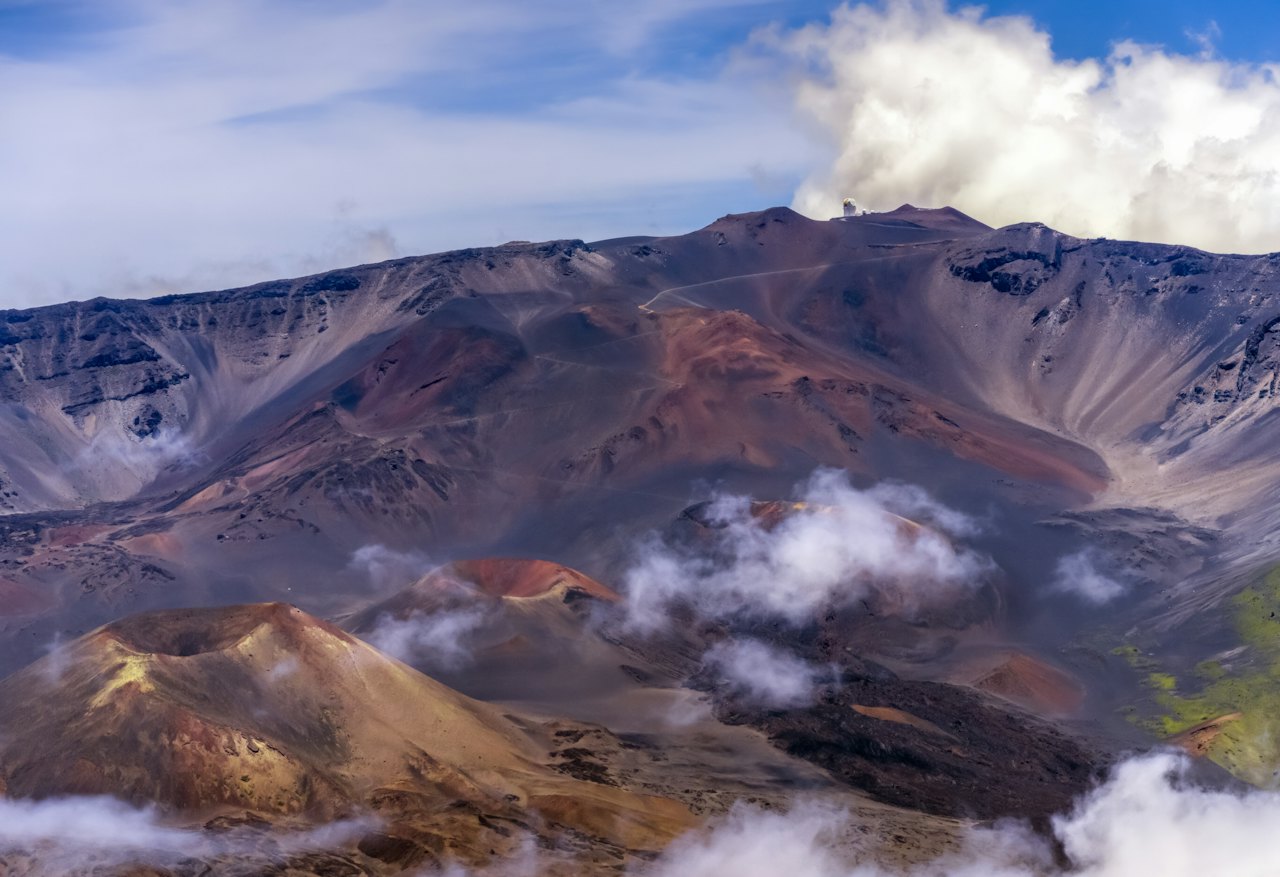
Overview
Maui is Hawaii for people who want beaches without the traffic of Oahu, and mountains and rainforest without the remoteness of Kauai. Humpback whales pass the coast from late November to mid-May, with a peak in February and March, the sunrise from the summit of Haleakala is worth the alarm, and the Road to Hana strings together waterfalls and black-sand beaches over about 56 miles (90 km) of curving road.
It is also expensive, and you should plan for that. A rental car is close to essential, resort fees add a nasty surprise to hotel bills, and a mid-range day easily reaches $300 (≈ €270 / £240) per person. Maui is also recovering from the August 2023 wildfire that destroyed much of Lahaina, so be respectful: treat the burned area as a community rather than an attraction, and spend money at locally owned businesses. Wear reef-safe mineral sunscreen, since sunscreens with oxybenzone and octinoxate are banned in Hawaii. Haleakala sunrise needs a reservation, the Road to Hana is best taken slowly and early, and the shoulder months of April, May, September and October bring lower prices and calmer weather.
A reservation is required for sunrise at the summit. Dress warmly; it is cold and windy at about 3,000 metres (10,000 ft).
A winding 64-mile drive with waterfalls and black sand beaches. Start early and take your time.
Ka'anapali, Wailea and Molokini Crater offer calm water and turtles. Respect wildlife distances.
Best time
Best months for most visitors: Apr-May & Sep-Oct (whales Dec-Mar). Good weather, thinner crowds and fairer prices.
April to May and September to October are the best value, with warm weather, calmer seas and fewer visitors.
December to March and July to August are the busiest and most expensive months.
November is quieter, and hurricane season runs from June to November, though direct hits on Maui are rare.
Booking window: reserve flights and stays 2–3 months ahead for Apr-May & Sep-Oct (whales Dec-Mar), and 4–6 months ahead for peak season (Jan–Mar, Jun–Aug, Nov–Dec).
Partner links. We earn a commission at no extra cost to you; sponsors never change a ranking or safety note. How we earn money →
Weather
Current temperature loads here when your browser can reach Open-Meteo.
Weather data: Open-Meteo Historical & Live API. A single reading for the main town or area, not the whole destination.
Dry and sunny almost year-round. Humpback whales visit in winter.
Wetter and greener, with rain at any time.
Winter brings whales, big surf on the north shore and occasional rain on the windward side, while summer is hot and dry with calm south-shore seas. Hotels and rental cars often cost double the shoulder-season rate and sell out early.
Whales linger into April, and prices drop noticeably after the spring-break and summer holiday rushes. Book rental cars early all the same.
Rain is more likely in winter, especially on Hana and the windward coast. Prices dip in late autumn outside Thanksgiving and Christmas.
Weather data: Open-Meteo Historical & Live API (live reading). Typical highs and season notes are our own summaries. How we verify →
Safety
Last updated: government levels come from our editor-verified table (October 2026). When the live UK FCDO check succeeds, its exact UTC time appears in the panel below. The banner takes the most cautious of the five agencies, so a live UK warning always outranks a green entry in our table and any part-country warning shows as red. We never show a level we haven’t checked. How we verify →
Government levels: editor-verified table, October 2026 How we verify →
Five official agencies, one view. Ratings change, so each pill opens the agency’s own page for today’s level.
Tier 4/5 · Standard caution. Normal precautions: ocean conditions, wildfire risk and car break-ins.
The UK FCDO, US State Department and Australian DFAT generally describe Hawaii as a low-risk destination where normal precautions apply. Their advice usually mentions ocean hazards, volcanic and wildfire activity, hurricanes and tsunami alerts, and petty theft from cars. Advice varies and changes, so read each government's current page for the United States and check local county alerts before you travel.
Our plain-English summary of what the UK FCDO, US State Department, Australian Smartraveller, Japan MOFA and South Korea MOFA publish. We quote no live ratings from memory; each button above opens the agency's own page.
Our opinion, not an official warning
Regional nuance: Hawaii's advice usually points to ocean hazards, wildfire and volcanic activity rather than crime. Parts of Lahaina remain affected by the 2023 fire, so check county alerts and observe closures.
The concerns that are real: Ocean conditions kill more visitors than crime does. Rip currents and shore break are common, so swim at lifeguarded beaches and respect warning signs. Car break-ins at trailheads and beach car parks are common, so never leave valuables inside. The sun is stronger than it feels, and flash floods can close trails and roads.
What headlines overstate: Wildfires and hurricanes grab headlines, but the vast majority of days are fine. After the August 2023 Lahaina fire, check the latest county and tourism-board advice, observe closures and avoid sightseeing in burned neighbourhoods.
Written by our editors from general travel knowledge and kept apart from the agencies above. How we verify →
Costs
Backpacker
$135 (≈ €120 / £105) per person per day
What it covers: Hostel or budget condo share, supermarket and food-truck meals, a shared hire car, free beaches and a few low-cost activities.
Mid-Range (default)
$300 (≈ €270 / £240) per person per day
What it covers: Condo or midscale hotel shared by two plus resort fees, a hire car and fuel, restaurant dinners, a snorkel or whale-watching tour and park entry.
Boutique
$660 (≈ €590 / £520) per person per day
What it covers: Wailea or Kapalua resort suite, fine dining, private boat or helicopter tours and a convertible or SUV.
Cost source: Audited Local Lodging Taxes, Rail Tariffs & Dining Averages (our own estimates, flights excluded). How we verify →
Source: Should I Go's own estimates, October 2026, in USD per person excluding international flights; euro figures are rough conversions. A couple shares a room, so accommodation drops 25% per person. Prices move, so treat these as a planning range, not a quote.
Estimated total: $0 (≈ €0 / £0)
Estimate in USD per trip, excluding international flights. Two or more travellers share rooms, so accommodation drops 25% per person. Budget and luxury tiers are scaled from the mid-range figure.
Cost source: Audited Local Lodging Taxes, Rail Tariffs & Dining Averages (our own estimates, flights excluded). How we verify →
Where to base yourself
West Maui beaches and resorts. Lahaina is rebuilding after the 2023 fire.
South shore resorts and calm beaches.
Remote east coast town reached by the winding road.
Cool farmland, lavender and Haleakalā access.
Itineraries
Getting between stops: A rental car is essential; book in advance in peak season.
Getting between stops: Drive between coasts; allow for traffic on the Honoapi'ilani Highway.
Getting between stops: Short inter-island flights take about 40 minutes.
Routes and timetables change. Confirm transit times with the operator before you book.
Do and stay
Best for: First-timers
Pros: Sunniest, driest weather, calm beaches, many condos and restaurants, and a quick drive to Haleakala and the airport. Wailea has the luxury resorts, while Kihei is more affordable.
Watch for: Traffic along the main road can be heavy, and the area is less atmospheric than the north shore. Wailea is very expensive.
Best for: Beach resorts
Pros: Long beaches, good snorkelling and a concentration of resorts and golf courses. Lahaina reopening continues, and your spending helps local recovery.
Watch for: Parts of the area are still affected by the 2023 fire and associated closures. The road is slow, and some services are limited.
Best for: Surf and a slower pace
Pros: Paia is a small surf town with cafes and shops near Ho'okipa and Jaws, and Hana is remote and quiet. A good base for the Road to Hana.
Watch for: Weather is wetter and cooler, and accommodation is limited and not cheap. Hana has few restaurants and little nightlife.
These are partner links. We may earn a commission at no extra cost to you.
Trade-offs
Final verdict
Editorial opinion from Should I Go, written from general travel knowledge and reviewed periodically. Verify prices, entry rules and advisories before you book.
Typical costs and rules change; confirm with official sources before you travel.
April, May, September and October offer the best balance of weather and prices. For whales, go in February or March (the peak), and expect to pay more. Summer is warm and dry with calm south-shore water but busy with families. Winter has big north-shore surf and a bit more rain.
Most of the island is open and operating normally. Lahaina itself is still recovering, with parts closed and ongoing rebuilding. Visitors are asked to be respectful, not to photograph the burned area as a sight, and to support local businesses. Check current county and visitor-bureau guidance before you go.
In practice, yes. Public transport is limited, rideshares are expensive for long trips and attractions such as Hana and Haleakala are spread out. Book a hire car early, since supply tightens in peak season, and add resort or parking fees to your budget.
Get live weather, activities, travel advisories, and personalised tips for Maui
Check Maui Now →Have you visited Maui? Was it worth it? Readers can vote: Worth Every Penny, Great in Shoulder Season Only, or Overrated / Skip It.