Mamanuca and Yasawa islands
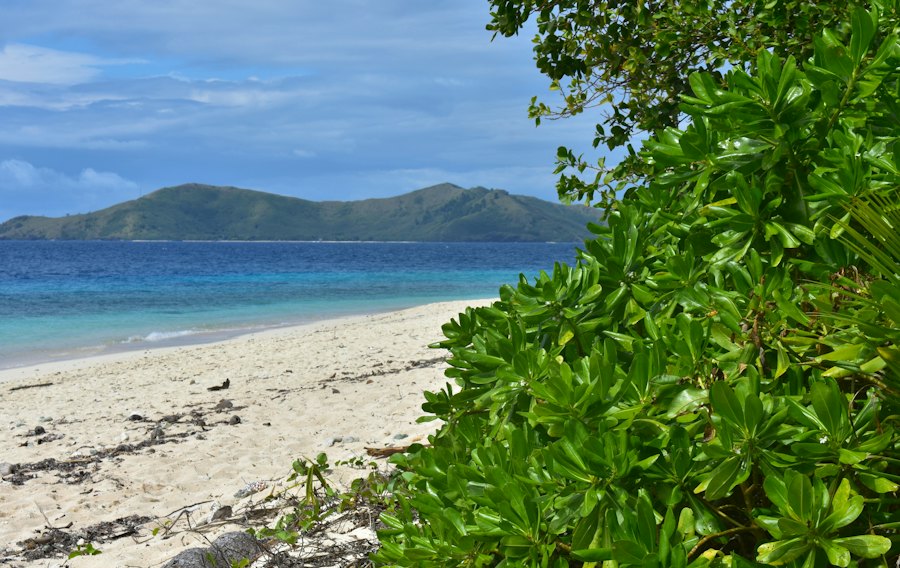
Sandy beaches and clear water; sail or ferry between islands.
Photo: Adam Young on Unsplash
Photo: Prem Kurumpanai on Unsplash
View Full Gallery (3)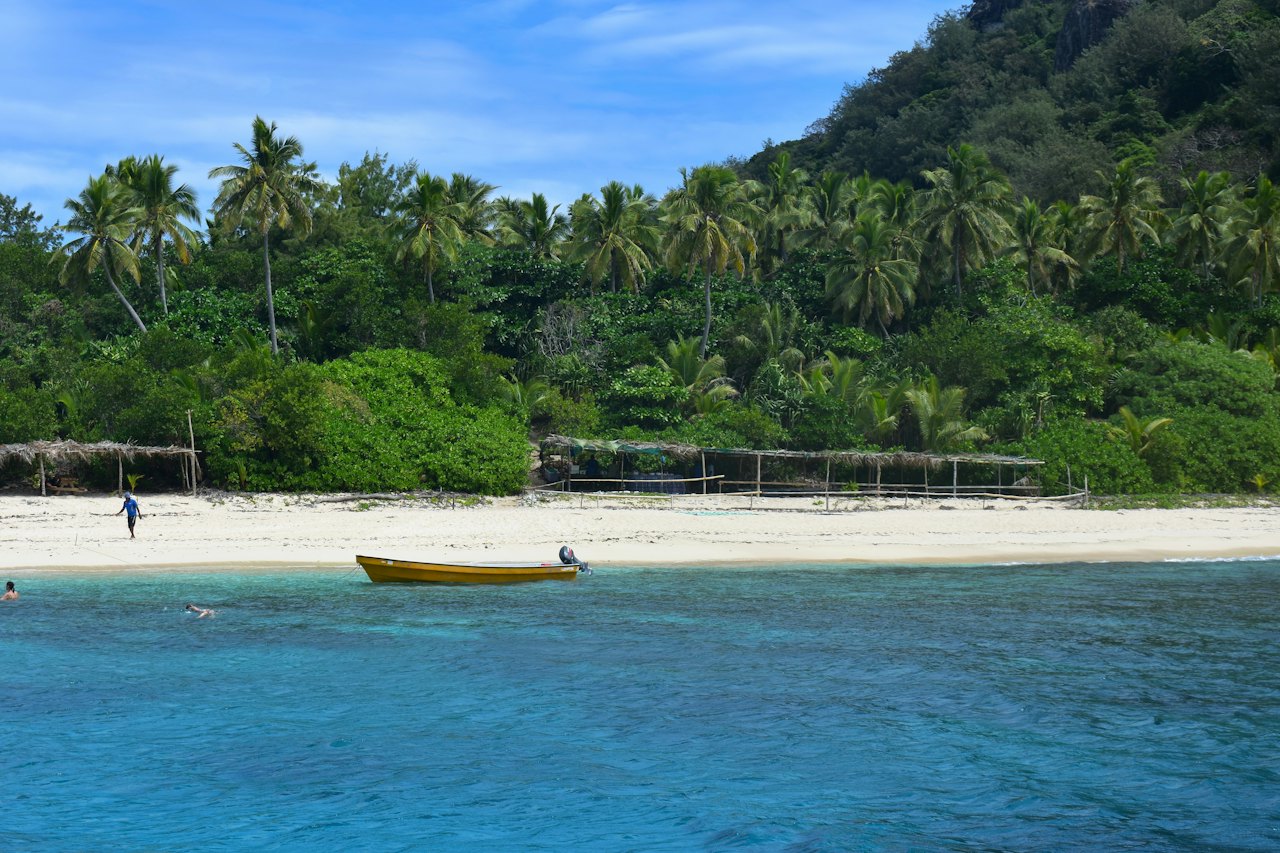
Overview
Fiji is an archipelago of more than 300 islands, and the choice of which one you stay on decides the trip. The Mamanuca and Yasawa groups, a short boat ride from Nadi, have the white sand and clear lagoons of the postcards, with resorts ranging from backpacker dorms to private-island villas. The larger islands, Viti Levu and Vanua Levu, offer rainforest, waterfalls and towns, and Taveuni is known for diving and hiking.
The main trade-off is cost and logistics. Flights are long from most countries, resort food and drinks are expensive because supplies come by boat, and many island resorts include meal plans for that reason. The wet season from November to April brings heat, rain and cyclone risk, so May to October is the sensible window. Fijians are known for warmth, and the custom of the kava ceremony and the greeting 'Bula' is part of daily life. If you visit a village, bring a bundle of kava root as a gift (sevusevu) and dress modestly. Reef-safe sunscreen and respect for the coral are expected.
Sandy beaches and clear water; sail or ferry between islands.
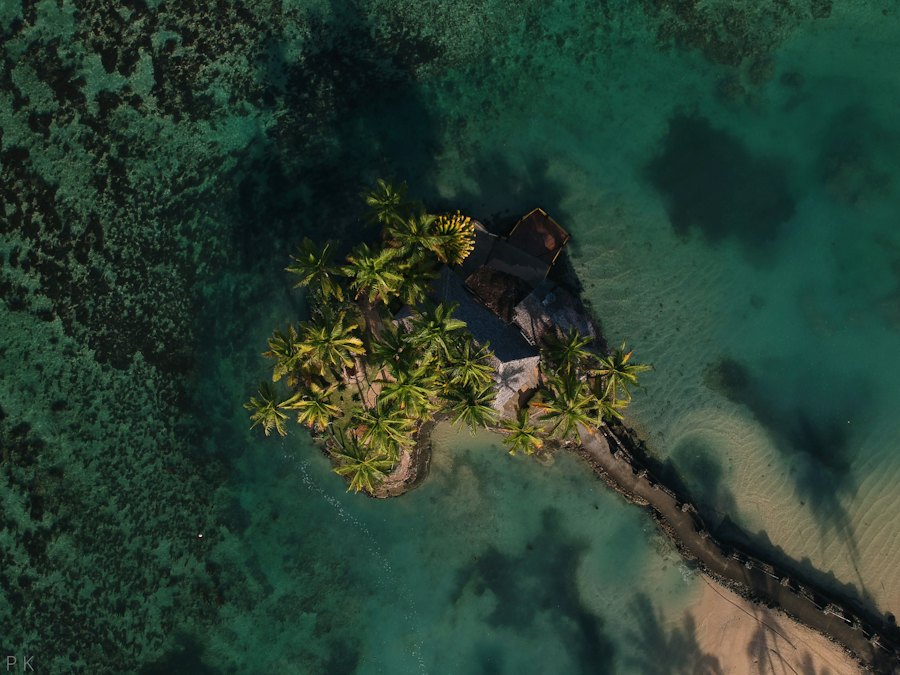
Coral reefs and soft coral gardens off many islands. Check conditions with local operators.
Respectful village visits include a kava ceremony; follow your host's guidance.
Best time
Best months for most visitors: May–Oct. Good weather, thinner crowds and fairer prices.
May and October are good compromises: mostly dry and sunny with fewer crowds and lower prices.
June to September is peak season: dry, sunny and cooler, with daytime highs of about 28 to 29 degrees Celsius and lower humidity.
November to April is the wet and cyclone season, wettest from January to March, with heat, humidity, heavy rain and the risk of storms and cancelled boat transfers.
Booking window: reserve flights and stays 2–3 months ahead for May–Oct, and 4–6 months ahead for peak season (Apr, Nov–Dec).
Partner links. We earn a commission at no extra cost to you; sponsors never change a ranking or safety note. How we earn money →
Weather
Current temperature loads here when your browser can reach Open-Meteo.
Weather data: Open-Meteo Historical & Live API. A single reading for the main town or area, not the whole destination.
Sunny and drier; peak season.
Hot, humid, with cyclones possible from November to April.
Resorts are busiest during Australian and New Zealand school holidays and in July and August, and rates are at their highest. Book flights and rooms months in advance.
November and December start to warm up and bring more rain, but prices are lower and beaches are quiet. Water visibility for diving is generally good from May to October.
Some small resorts close, and prices are lowest. If you travel then, take travel insurance and book flexible rates.
Weather data: Open-Meteo Historical & Live API (live reading). Typical highs and season notes are our own summaries. How we verify →
Safety
Last updated: government levels come from our editor-verified table (October 2026). When the live UK FCDO check succeeds, its exact UTC time appears in the panel below. The banner takes the most cautious of the five agencies, so a live UK warning always outranks a green entry in our table and any part-country warning shows as red. We never show a level we haven’t checked. How we verify →
Government levels: editor-verified table, October 2026 How we verify →
Five official agencies, one view. Ratings change, so each pill opens the agency’s own page for today’s level.
Tier 4/5 · Standard caution. Normal to increased caution: cyclones, petty theft, sea conditions and dengue.
The UK FCDO, US State Department and Australian DFAT generally describe Fiji as a destination where normal to increased caution applies. Their advice usually covers petty crime and theft in Nadi and Suva, cyclones from November to April, road safety, marine hazards and dengue. Advice varies and changes, so check the current pages from each agency before you travel.
Our plain-English summary of what the UK FCDO, US State Department, Australian Smartraveller, Japan MOFA and South Korea MOFA publish. We quote no live ratings from memory; each button above opens the agency's own page.
Our opinion, not an official warning
Regional nuance: Fiji's advice generally concerns cyclones, rough seas and petty crime rather than any area to avoid. Resorts and the main tourist islands are visited routinely, but check current advice before you travel.
The concerns that are real: Petty theft from rooms and beaches, and bag snatching in towns, are the usual issues. Cyclone season can disrupt travel, boats can be cancelled in rough seas, and reefs and currents require care. Dengue is present. Avoid walking alone at night in Nadi or Suva, and use official taxis. FCDO also notes serious sexual assaults against foreign nationals, warns about methanol in drinks and flags a risk of liver toxicity from kava, so take part in moderation.
What headlines overstate: Cyclone and political news can sound alarming, but resorts are mostly insulated and storm warnings give notice. Travel insurance and flexible bookings matter in the wet season. Follow the guidance of the Fiji Meteorological Service.
Written by our editors from general travel knowledge and kept apart from the agencies above. How we verify →
Costs
Backpacker
$105 (≈ €95 / £85) per person per day
What it covers: Dorm bed or bure at a Yasawa lodge with meals included, boat transfer shares, and snorkelling from the beach.
Mid-Range (default)
$230 (≈ €210 / £180) per person per day
What it covers: Three- or four-star island resort room, some meals, boat or flight transfers, a snorkel or village trip and a few drinks.
Boutique
$510 (≈ €460 / £400) per person per day
What it covers: Private-island or overwater-style resort, all-inclusive dining, seaplane or helicopter transfers, spa and diving.
Cost source: Audited Local Lodging Taxes, Rail Tariffs & Dining Averages (our own estimates, flights excluded). How we verify →
Source: Should I Go's own estimates, October 2026, in USD per person excluding international flights; euro figures are rough conversions. A couple shares a room, so accommodation drops 25% per person. Prices move, so treat these as a planning range, not a quote.
Estimated total: $0 (≈ €0 / £0)
Estimate in USD per trip, excluding international flights. Two or more travellers share rooms, so accommodation drops 25% per person. Budget and luxury tiers are scaled from the mid-range figure.
Cost source: Audited Local Lodging Taxes, Rail Tariffs & Dining Averages (our own estimates, flights excluded). How we verify →
Where to base yourself
Gateway and resort area.
Close islands with resorts.
Remote beaches and backpacker resorts.
Resorts and a calm lagoon.
Itineraries
Getting between stops: Catamarans from Port Denarau take roughly 30 to 75 minutes, depending on the island.
Getting between stops: The Yasawa Flyer ferry leaves Port Denarau around 8:45 am daily and the furthest islands take most of the day; book passes ahead.
Getting between stops: Buses and transfers link the Coral Coast to Nadi.
Routes and timetables change. Confirm transit times with the operator before you book.
Do and stay
Best for: First-timers and families
Pros: Close to Nadi with short boat transfers, calm lagoons and a wide range of resorts, from budget to luxury.
Watch for: Busier than the Yasawas, and prices are high. Some resorts are set on small, crowded islands.
Best for: Budget and beaches
Pros: Remote beaches, reefs and lodges with a range of prices. The Yasawa Flyer ferry links the islands.
Watch for: Long transfers, basic facilities in cheaper places, and limited signal. Seas can delay boats.
Best for: Diving and nature
Pros: Taveuni has rainforest, waterfalls and the Rainbow Reef for diving, while the Coral Coast on Viti Levu is a road trip from Nadi with beaches and resorts.
Watch for: Taveuni takes a flight or ferry from Viti Levu, and the Coral Coast beaches vary in quality. Fewer luxury options.
These are partner links. We may earn a commission at no extra cost to you.
Trade-offs
Final verdict
Editorial opinion from Should I Go, written from general travel knowledge and reviewed periodically. Verify prices, entry rules and advisories before you book.
Typical costs and rules change; confirm with official sources before you travel.
May to October is the dry season, with sunny days and lower humidity, and it is the best time for diving and beach holidays. July and August are the busiest. November to April is hot, wet and cyclone-prone, though prices are lower and many visitors still have good weather.
It can be. Flights are long, and resort food and drinks cost a lot because supplies come by boat. Budget travellers can stay in Yasawa lodges with meals included for roughly $60 to $100 (≈ €55–90 / £45–80) a day, while mid-range resorts cost about $180 to $300 (≈ €160–270 / £140–240) and luxury resorts far more.
A week lets you spend a night or two near Nadi and four or five on an island. Ten to twelve days lets you visit two island groups, or add Taveuni or Kadavu for diving. Allow time for boat transfers, which can be affected by weather.
Get live weather, activities, travel advisories, and personalised tips for Fiji
Check Fiji Now →Have you visited Fiji? Was it worth it? Readers can vote: Worth Every Penny, Great in Shoulder Season Only, or Overrated / Skip It.