Markets and moles
Oaxaca’s markets, restaurants and comedores serve the seven moles, tlayudas and fresh chocolate. Go hungry, pay in pesos and ask what the cook recommends.
Photo: Anastasiia Malai on Unsplash
Photo: Roman Lopez on Unsplash
View Full Gallery (3)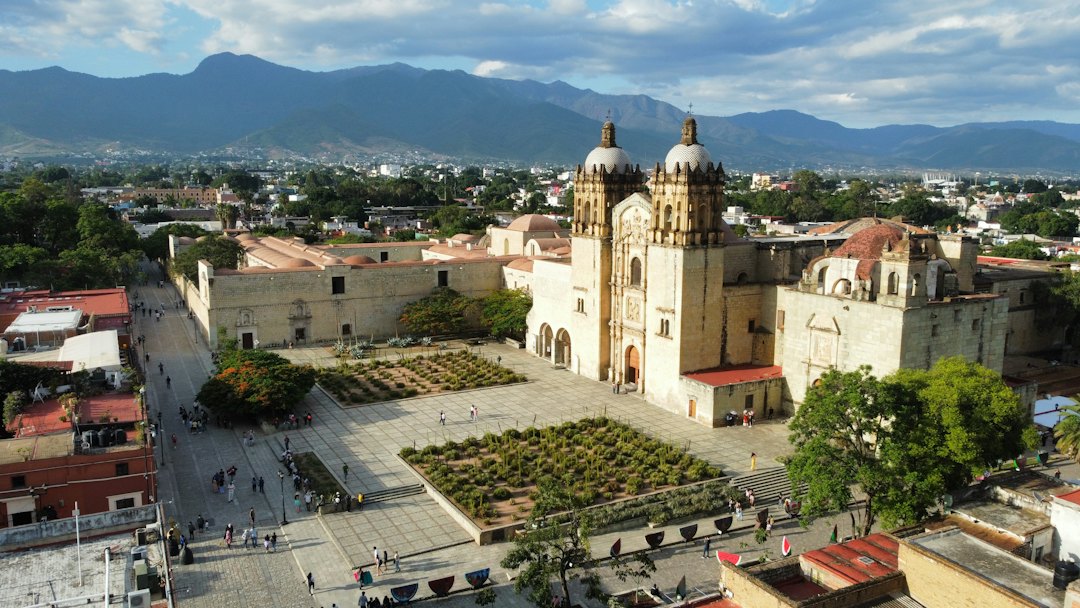
Overview
Oaxaca is where Mexico keeps its culinary memory, and the memory has seven moles. The black, the red, the green and the rest are not menu options so much as family histories, and they arrive on plates with tlayudas, tamales and chocolate that tastes like a different food from the bar you buy at home. Around the city, mezcal comes from palenques in villages such as Matatlán, where agave is roasted, crushed and distilled much as it has been for generations.
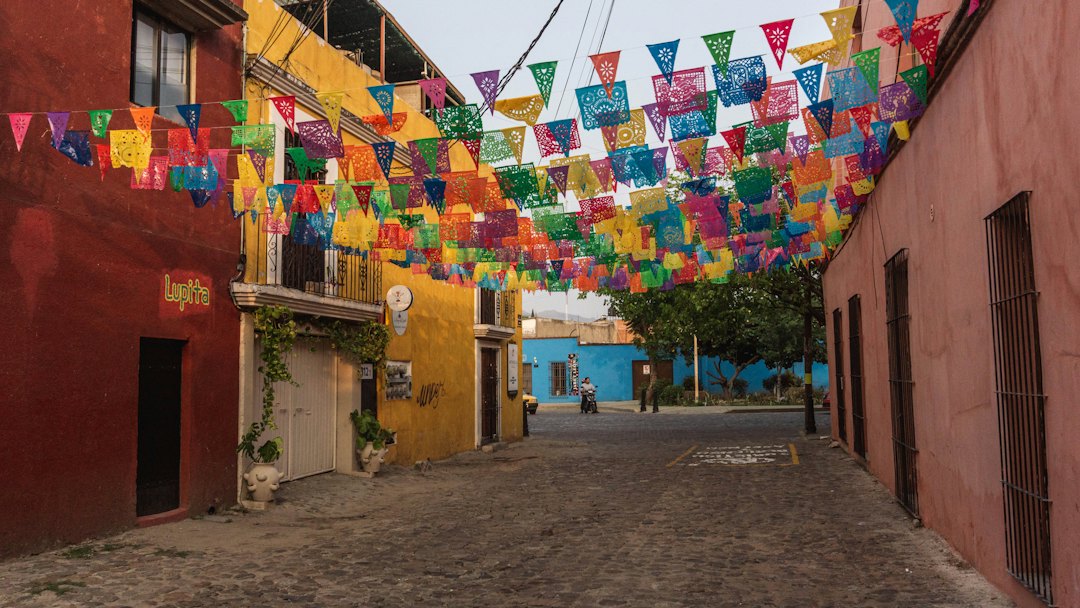
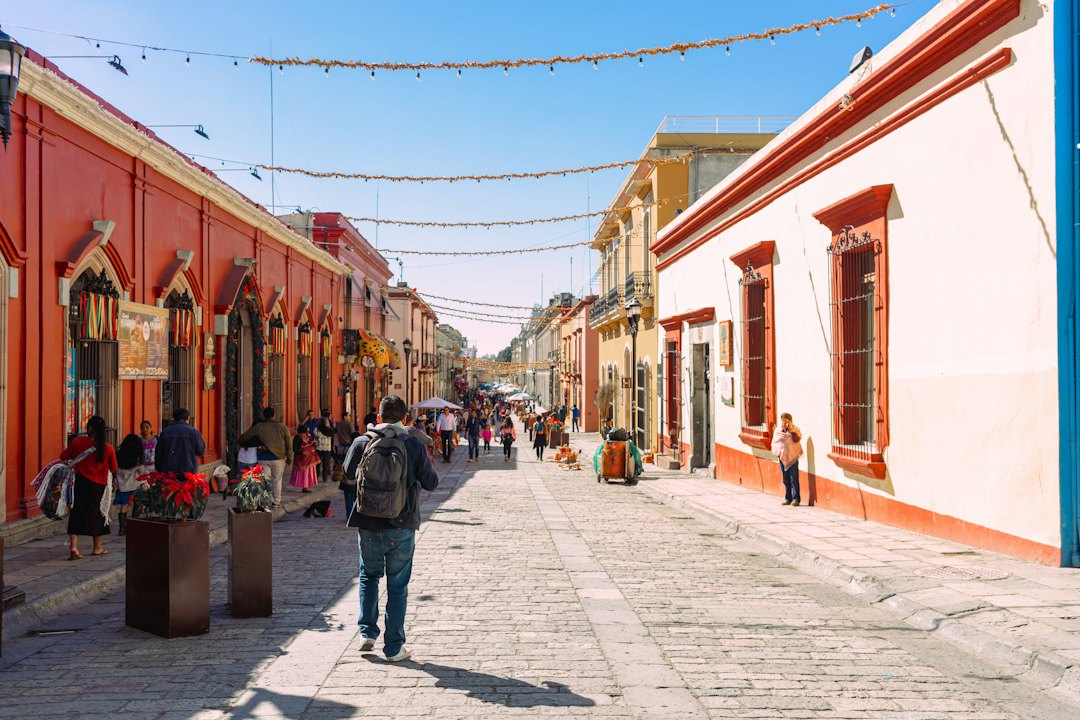
The pleasure of the place is walking it. The Centro Histórico is a grid of low colonial buildings and painted walls, with cobblestones that punish bad shoes, and the zócalo and cathedral give way to markets, courtyards and small galleries. Monte Albán, the ancient hilltop city, and Hierve el Agua, with its petrified-waterfall formations, make good day trips. The honest drawbacks are the lack of a beach, the altitude (about 1,550 m or 5,085 ft) and a shortage of anything that feels like nightlife before dinner. Days are sunny year-round with highs near 26°C / 79°F (79°F), the rainy season runs roughly June to September, and the busiest periods are late October to early November, for Day of the Dead, and December. Take the colectivo from the airport, and visit certified mezcal producers rather than street touts. Prices and rules here are approximate and need checking.
Oaxaca’s markets, restaurants and comedores serve the seven moles, tlayudas and fresh chocolate. Go hungry, pay in pesos and ask what the cook recommends.
Matatlán’s palenques show how agave is roasted and distilled. Choose a certified producer and avoid street touts selling industrial mezcal as ancestral.
The ancient hilltop city and the mineral-water cliff formations are both day trips from the city and reward an early start.
Best time
Best months for most visitors: Oct–Nov. Good weather, thinner crowds and fairer prices.
October to November and the dry months to spring give sunny days with highs near 26°C / 79°F (79°F).
Late October to early November, for Day of the Dead, and December are the busiest times.
June to September is the rainy season.
Booking window: reserve flights and stays 2–3 months ahead for Oct–Nov, and 4–6 months ahead for peak season (Dec).
Partner links. We earn a commission at no extra cost to you; sponsors never change a ranking or safety note. How we earn money →
Weather
Current temperature loads here when your browser can reach Open-Meteo.
Weather data: Open-Meteo Historical & Live API. A single reading for the main town or area, not the whole destination.
Peak season about 30°C / 86°F; shoulder season about 26°C / 79°F.
Rain: Rainy season June to September, with sunny mornings and afternoon storms; mostly dry the rest of the year.
Sunny days with highs near 26°C / 79°F (79°F) and cooler nights, particularly from autumn to spring.
Roughly June to September brings afternoon storms, green hills and fewer visitors.
Rooms sell out, prices jump and the streets and cemeteries fill. Book months ahead and go early to any tour.
The rainy season, June to September, brings afternoon downpours but green countryside and fewer visitors.
Mornings are often clear, and afternoon storms are common. Rooms are cheaper, markets are quieter and the countryside is green.
Weather data: Open-Meteo Historical & Live API (live reading). Typical highs and season notes are our own summaries. How we verify →
Safety
Last updated: government levels come from our editor-verified table (October 2026). When the live UK FCDO check succeeds, its exact UTC time appears in the panel below. The banner takes the most cautious of the five agencies, so a live UK warning always outranks a green entry in our table and any part-country warning shows as red. We never show a level we haven’t checked. How we verify →
Government levels: editor-verified table, October 2026 How we verify →
Five official agencies, one view. Ratings change, so each pill opens the agency’s own page for today’s level.
Tier 3/5 · Increased caution. Check Oaxaca state advice: pickpockets in markets, occasional protests and road blockades, and mezcal touts.
The UK FCDO, US State Department and Australian DFAT publish pages for Mexico, and the advice differs by region and state. Oaxaca state has its own notes, including occasional road blockades and protests, so read the current pages before you book, and again before you travel, because wording and levels change.
Our plain-English summary of what the UK FCDO, US State Department, Australian Smartraveller, Japan MOFA and South Korea MOFA publish. We quote no live ratings from memory; each button above opens the agency's own page.
Our opinion, not an official warning
Regional nuance: Mexican advice from the UK FCDO, US State Department and Australia’s Smartraveller varies by state; Oaxaca state has its own notes, including occasional protests and road blockades. The Centro is a busy tourist zone. Read each agency’s current Mexico and Oaxaca wording before you travel.
The concerns that are real: In the city the main risks are petty theft and pickpocketing in crowded markets, and occasional road blockades or protests that disrupt transport and day trips. Street touts selling industrial mezcal as ancestral are a minor scam. Take care with taxis at night, and check road conditions before long journeys.
What headlines overstate: Headlines about protests and highway blockades describe real events in Oaxaca state, but they usually affect long road routes more than the city. Check local news and your government’s Mexico advice before you set out.
Written by our editors from general travel knowledge and kept apart from the agencies above. How we verify →
Costs
Backpacker
$40 (≈ €35 / £30) per person per day
What it covers: A hostel dorm or simple guesthouse room, market meals, local transport, and free sights.
Mid-Range (default)
$90 (≈ €80 / £70) per person per day
What it covers: A boutique-style hotel room shared by two, restaurant lunches and dinners, a mezcal tour and a day trip.
Boutique
$200 (≈ €180 / £155) per person per day
What it covers: A restored colonial hotel, tasting-menu dinners, private guides and drivers.
Cost source: Audited Local Lodging Taxes, Rail Tariffs & Dining Averages (our own estimates, flights excluded). How we verify →
Source: Should I Go's own estimates, October 2026, in USD per person excluding international flights; euro figures are rough conversions. A couple shares a room, so accommodation drops 25% per person. Prices move, so treat these as a planning range, not a quote.
Estimated total: $0 (≈ €0 / £0)
Estimate in USD per trip, excluding international flights. Two or more travellers share rooms, so accommodation drops 25% per person. Budget and luxury tiers are scaled from the mid-range figure.
Cost source: Audited Local Lodging Taxes, Rail Tariffs & Dining Averages (our own estimates, flights excluded). How we verify →
Where to base yourself
Colonial streets, the zócalo, the cathedral and the main markets.
A quiet barrio of painted houses, cafes and galleries.
A traditional neighbourhood with older streets and good-value stays.
Matatlán, Monte Albán and Hierve el Agua, reached by day trips.
Itineraries
Getting between stops: The Centro is walkable. Take the official colectivo shuttle from the airport (about 25 minutes) and use taxis for day trips.
Getting between stops: Book tours or drivers for day trips, and start early to avoid heat and crowds.
Getting between stops: Late October to early November is extremely busy: book rooms and tours months ahead.
Routes and timetables change. Confirm transit times with the operator before you book.
Do and stay
Best for: First-timers who want to walk everywhere
Pros: Colonial streets, the zócalo, the cathedral and many restaurants and markets within a short walk.
Watch for: Busy and noisy at festival times, with uneven cobblestones.
Best for: A quieter neighbourhood feel
Pros: Painted houses, cafes and small galleries, with easy access to the centre on foot.
Watch for: Fewer large hotels and a few steep, rough streets.
Best for: Local streets and good-value rooms
Pros: A traditional barrio with older streets and cheaper stays, within walking distance of the centre.
Watch for: Quieter in the evening, with fewer restaurant options.
These are partner links. We may earn a commission at no extra cost to you.
Trade-offs
Final verdict
Editorial opinion from Should I Go, written from general travel knowledge and reviewed periodically. Verify prices, entry rules and advisories before you book.
Typical costs and rules change; confirm with official sources before you travel.
Three to five days cover the Centro, markets, mezcal and one or two day trips such as Monte Albán and Hierve el Agua.
Most visitors have trouble-free trips, but check your government’s Mexico page for Oaxaca state, watch for pickpockets in markets and check road conditions before long drives.
October to November are best, though late October to early November is busy with Day of the Dead. June to September is rainy; days are sunny at about 26°C / 79°F (79°F) most of the year.
Get live weather, activities, travel advisories, and personalised tips for Oaxaca, Mexico
Check Oaxaca, Mexico Now →Have you visited Oaxaca, Mexico? Was it worth it? Readers can vote: Worth Every Penny, Great in Shoulder Season Only, or Overrated / Skip It.