The Walled City
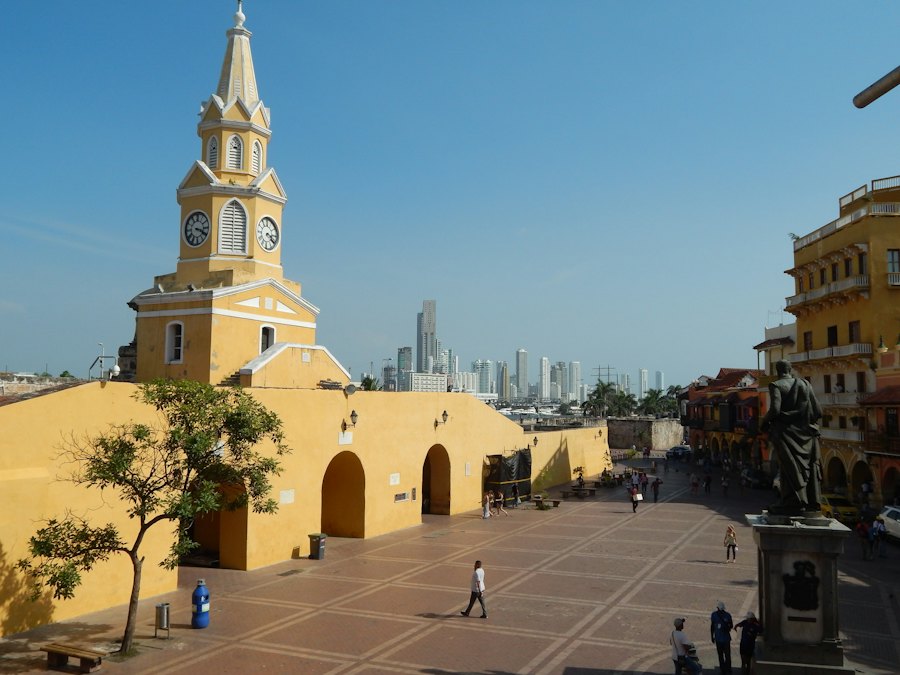
Colourful colonial streets and plazas; wander early or at dusk to avoid midday heat.
Photo: Carlos Sarmiento on Unsplash
Photo: Meg von Haartman on Unsplash
View Full Gallery (3)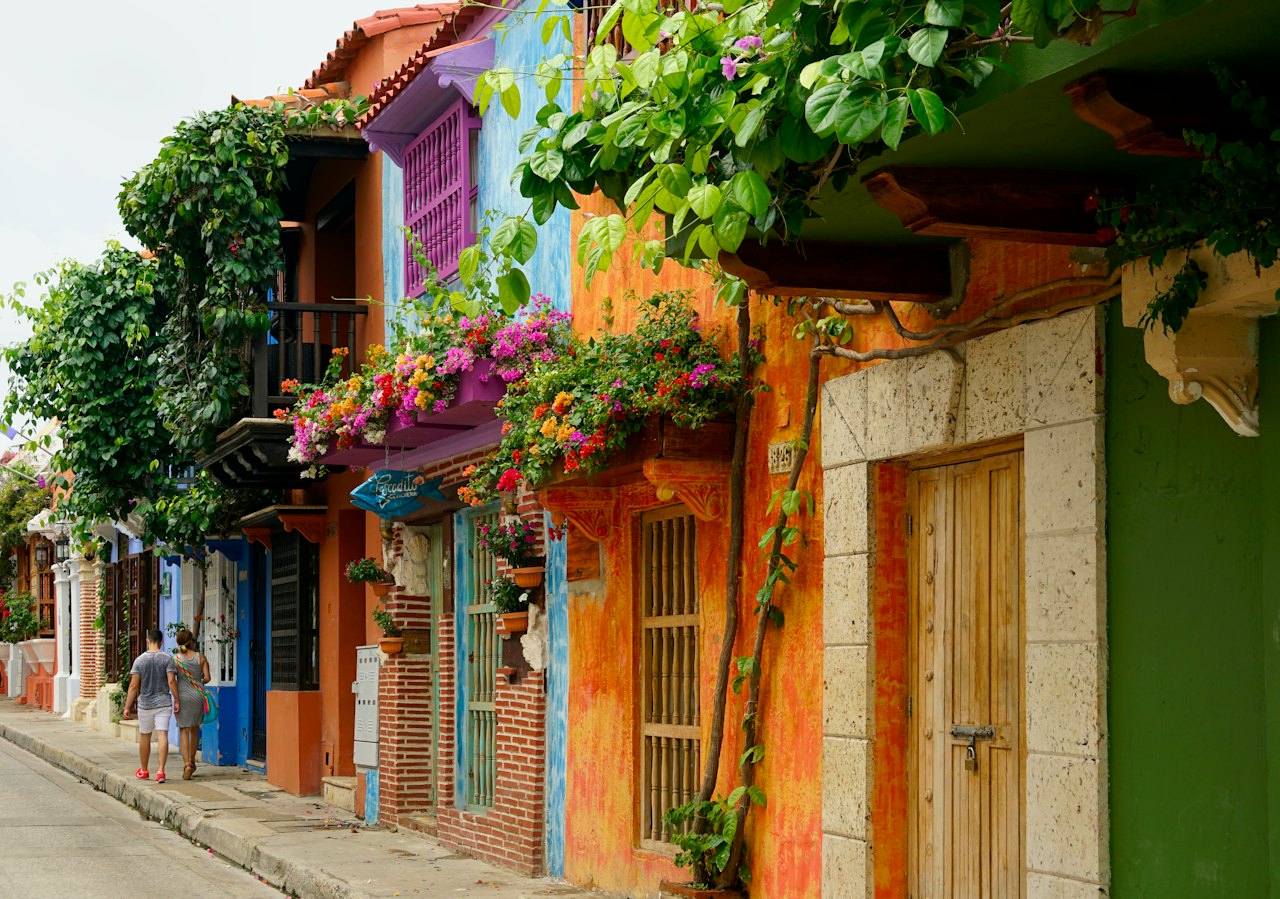
Overview
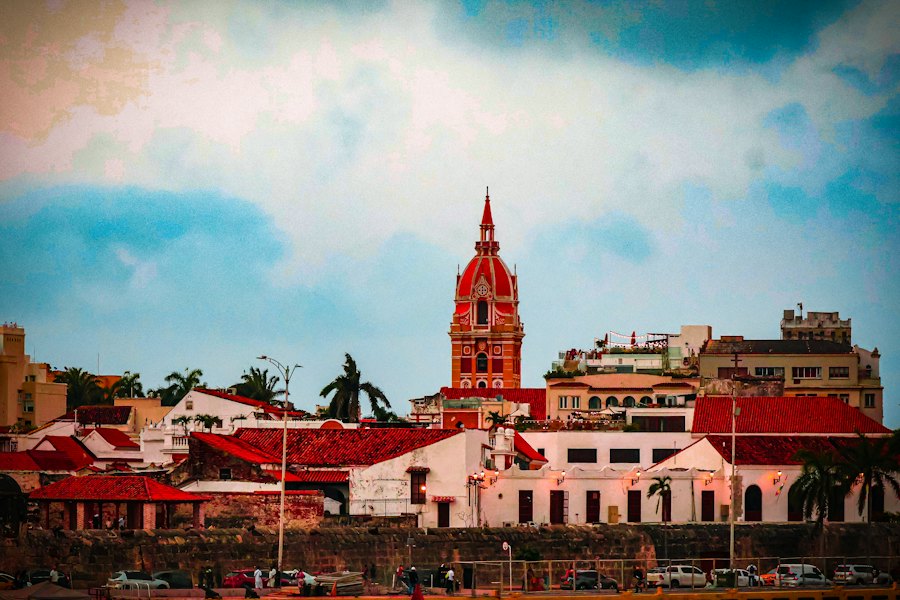
Cartagena's walled old town is one of the best-preserved colonial ports on the Caribbean coast of South America: 11 kilometres / 6.8 mi / 11 km of stone ramparts, balconied houses in ochre and coral, plazas where the heat drops at dusk and the cafes fill. Beyond the walls, Getsemani has turned from a rough quarter into the city's most lively neighbourhood, with murals, street bars and cheaper rooms.
The city is hot, humid and heavily visited, and it rewards a slower schedule than the guidebooks suggest. Walk the walls early or at sunset, spend the afternoon in a pool or an air-conditioned museum, and eat late. The beaches in town are poor, so day trips to the Rosario Islands or Playa Blanca on Baru are the usual swim, and both can be crowded and pushy with vendors. Expect to be approached constantly in the old town. Say no calmly, agree taxi fares before you get in, and book boat trips through your hotel or a registered operator. December to March is the driest stretch; October is the wettest.
Colourful colonial streets and plazas; wander early or at dusk to avoid midday heat.
A once-gritty barrio now full of street art, bars and plazas.
Boat day trips with beaches and snorkelling. Choose small groups.
Best time
Best months for most visitors: Dec–Mar. Good weather, thinner crowds and fairer prices.
April to August is hotter and more humid, with some showers, but visitor numbers are lower and prices come down.
December to March is the driest and breeziest period and the busiest, with Christmas, New Year and Easter the most crowded and expensive.
September to November is the wettest period, with October typically the worst.
Booking window: reserve flights and stays 2–3 months ahead for Dec–Mar, and 4–6 months ahead for peak season (Apr–Aug).
Partner links. We earn a commission at no extra cost to you; sponsors never change a ranking or safety note. How we earn money →
Weather
Current temperature loads here when your browser can reach Open-Meteo.
Weather data: Open-Meteo Historical & Live API. A single reading for the main town or area, not the whole destination.
Hot, sunny and breezy.
Humid with heavy afternoon showers.
Daytime temperatures are around 30 degrees Celsius with less humidity. Book rooms early for the holidays and expect higher rates.
Rain builds from May, with seven to ten wet days a month by mid-year. Mornings and evenings are fine for walking, and the sea is warm.
Heavy downpours can flood streets for an hour or two, though they often clear quickly. Prices are lowest and crowds thinnest, but boat trips can be cancelled in rough weather.
Weather data: Open-Meteo Historical & Live API (live reading). Typical highs and season notes are our own summaries. How we verify →
Safety
Last updated: government levels come from our editor-verified table (October 2026). When the live UK FCDO check succeeds, its exact UTC time appears in the panel below. The banner takes the most cautious of the five agencies, so a live UK warning always outranks a green entry in our table and any part-country warning shows as red. We never show a level we haven’t checked. How we verify →
Government levels: editor-verified table, October 2026 How we verify →
Five official agencies, one view. Ratings change, so each pill opens the agency’s own page for today’s level.
Tier 3/5 · Increased caution. Take precautions: petty theft, drink spiking and tourist-targeted scams; advice varies by region.
The UK FCDO, US State Department and Australian DFAT each publish separate advice for Colombia, and it differs by region. Cartagena's old town and Getsemani are heavily visited and policed, while governments advise caution or against travel in some border and rural areas elsewhere in the country. Their advice often highlights petty theft, scams, drink spiking and violent crime in some cities. Check the official pages from all three, and read the notes for the specific areas you plan to visit, before booking.
Our plain-English summary of what the UK FCDO, US State Department, Australian Smartraveller, Japan MOFA and South Korea MOFA publish. We quote no live ratings from memory; each button above opens the agency's own page.
Our opinion, not an official warning
Regional nuance: Colombia's official advice differs by region, and some border and rural areas are treated much more cautiously than Cartagena's tourist districts. Read the notes for each area you plan to visit.
The concerns that are real: Petty theft, bag snatching and phone grabs happen in crowded streets and on the beach. Drink spiking, usually by strangers offering drinks or at bars where you are steered late at night, is a recognised risk. Overcharging by unmetered taxis, beach vendors and boat touts is the most common daily annoyance. Avoid empty streets late at night outside the main tourist areas, and take a registered taxi back.
What headlines overstate: Colombia's reputation lags behind its present reality: Cartagena receives large numbers of visitors every year and most have uneventful trips. Headlines about security in other parts of the country do not usually apply to the city's tourist districts, though conditions change, so check current advice before you travel.
Written by our editors from general travel knowledge and kept apart from the agencies above. How we verify →
Costs
Backpacker
$50 (≈ €45 / £40) per person per day
What it covers: Hostel dorm or simple private room in Getsemani, set-lunch menus (menu del dia), street food, walking, one paid sight and occasional taxis.
Mid-Range (default)
$110 (≈ €100 / £85) per person per day
What it covers: Air-conditioned boutique hotel or apartment shared by two, restaurant dinners, fort entry, a shared island day trip and taxis.
Boutique
$240 (≈ €210 / £190) per person per day
What it covers: Restored colonial mansion hotel with pool, tasting-menu dinners, private boat charter to the islands and private guides.
Cost source: Audited Local Lodging Taxes, Rail Tariffs & Dining Averages (our own estimates, flights excluded). How we verify →
Source: Should I Go's own estimates, October 2026, in USD per person excluding international flights; euro figures are rough conversions. A couple shares a room, so accommodation drops 25% per person. Prices move, so treat these as a planning range, not a quote.
Estimated total: $0 (≈ €0 / £0)
Estimate in USD per trip, excluding international flights. Two or more travellers share rooms, so accommodation drops 25% per person. Budget and luxury tiers are scaled from the mid-range figure.
Cost source: Audited Local Lodging Taxes, Rail Tariffs & Dining Averages (our own estimates, flights excluded). How we verify →
Where to base yourself
Colonial streets and plazas.
Street art and nightlife.
Beach towers; less charm.
Beaches and snorkelling.
Itineraries
Getting between stops: Walkable old town; taxis are cheap.
Getting between stops: Boats and buses connect the coast. Mompox is about six hours by road each way, so it needs a night or two of its own.
Getting between stops: Buses take about 4 to 5½ hours from Cartagena to Santa Marta, depending on the service and the change at Barranquilla.
Routes and timetables change. Confirm transit times with the operator before you book.
Do and stay
Best for: Value and nightlife
Pros: Walkable to the old town, with murals, plaza bars, cafes and a wide range of hostels and small hotels at lower prices than inside the walls.
Watch for: Plaza Trinidad and surrounding streets can be noisy until late. Choose a room away from the main bar streets if you sleep lightly.
Best for: First-timers
Pros: Colonial streets, churches, restaurants and the walls are all on your doorstep, and many hotels have courtyards and pools.
Watch for: The most expensive area, hot and crowded by day with persistent vendors. Some streets are noisy at night.
Best for: Beach-front comfort
Pros: Large hotels, apartment towers, a long city beach and air-conditioned shopping, with modern amenities and sea views.
Watch for: Less character than the old town, a short taxi ride from the sights, and a busy city beach that is not the clean Caribbean of the postcards.
These are partner links. We may earn a commission at no extra cost to you.
Trade-offs
Final verdict
Editorial opinion from Should I Go, written from general travel knowledge and reviewed periodically. Verify prices, entry rules and advisories before you book.
Typical costs and rules change; confirm with official sources before you travel.
January to March are the driest and breeziest months, which makes them the most comfortable for walking the old town and the walls. They are also the busiest and priciest, especially around Christmas and Easter. If you do not mind more humidity, April to June and July to August are quieter with lower prices. October is usually the wettest month.
Most visitors have no problems in the old town, Getsemani and Bocagrande, which are busy and well patrolled. The risks are mainly petty theft, scams and drink spiking, so keep valuables out of sight, agree taxi fares first and be careful with drinks from strangers. Official advice for Colombia differs by region and changes, so check the UK, US and Australian government pages before you go.
Two full days cover the walled city, Getsemani and the fort. Add a third day for a trip to the Rosario Islands or Playa Blanca, and a fourth if you want to slow down or visit the mud volcano at Totumo. The heat makes shorter, slower days more enjoyable than a packed list.
Get live weather, activities, travel advisories, and personalised tips for Cartagena
Check Cartagena Now →Have you visited Cartagena? Was it worth it? Readers can vote: Worth Every Penny, Great in Shoulder Season Only, or Overrated / Skip It.