The Zócalo and Templo Mayor
The main square and the excavated Aztec temple sit side by side, a short walk from the cathedral.
Photo: Daniel Lloyd Blunk-Fernández on Unsplash
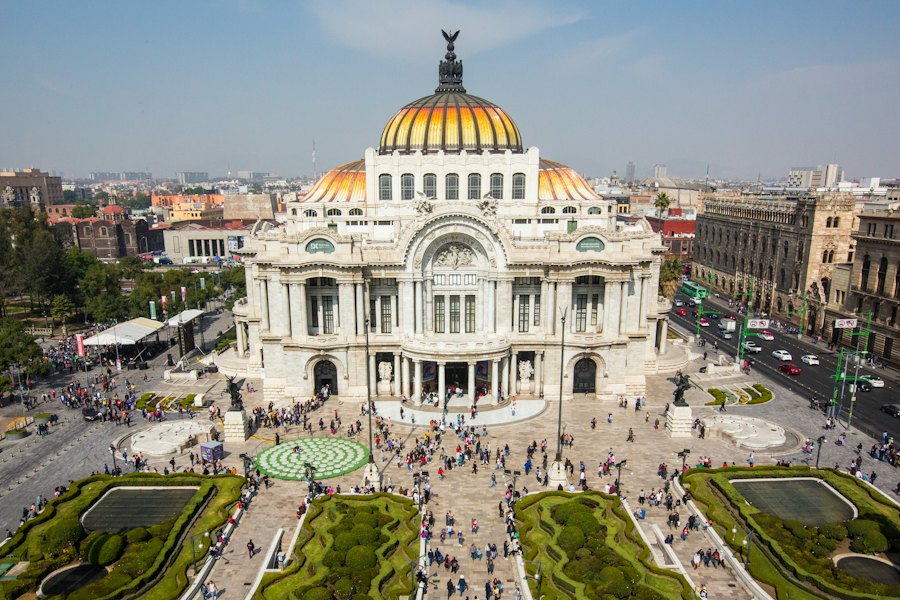
Photo: Brenda Huescas on Unsplash
View Full Gallery (3)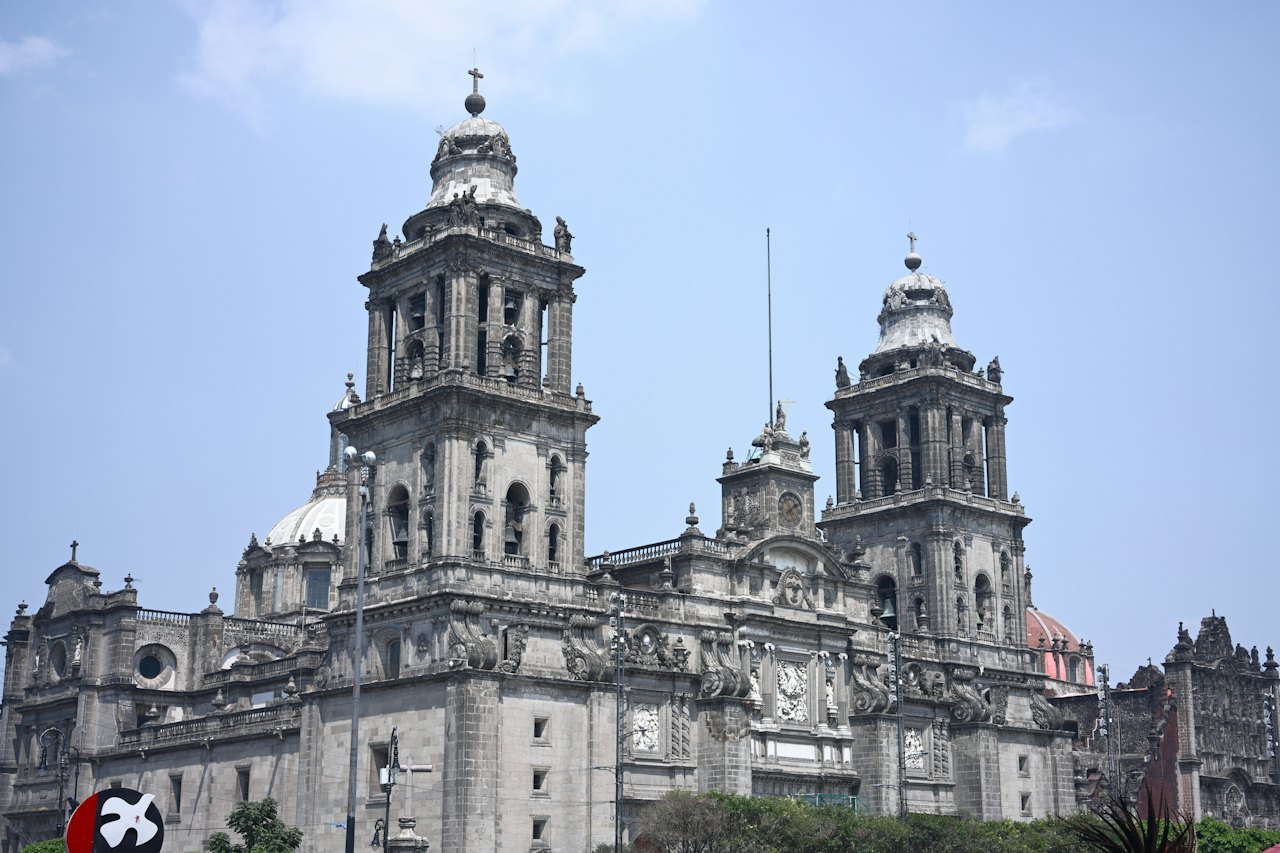
Overview
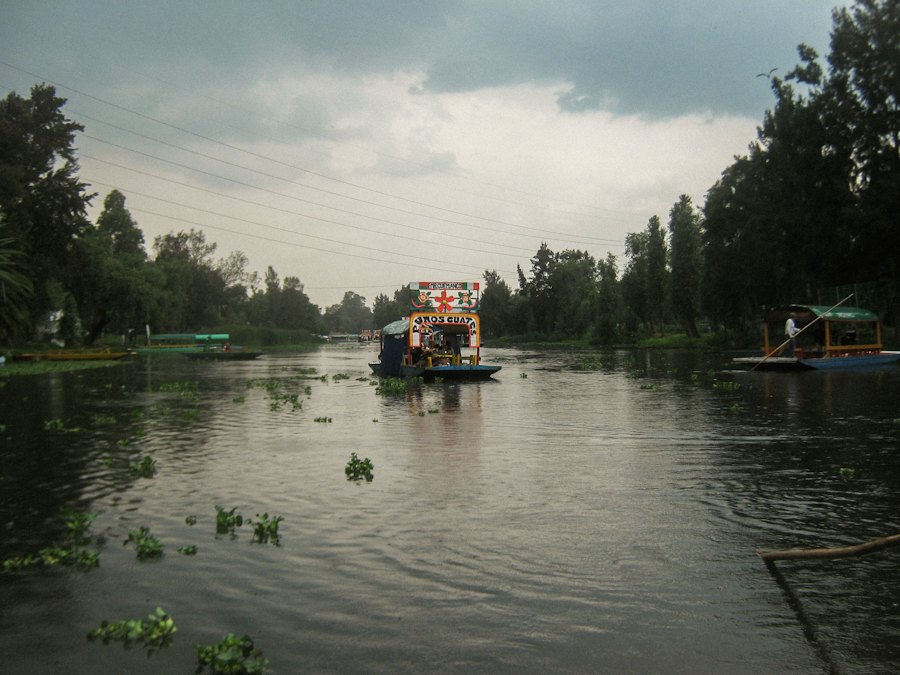
Mexico City is one of the great food cities and one of the great museum cities, and it is a better combination than either. It sits at 2,240 metres (7,350 ft) on the bed of an old lake, home to about nine million people (more than twenty million in the wider area), and a first visit can feel like several cities at once. The Zocalo and the Templo Mayor, the murals of the Palacio Nacional, the National Museum of Anthropology, the canals of Xochimilco and the pyramids of Teotihuacan an hour away are all worth the time.
The food is the thing. Tacos al pastor from a street stall, tlayudas, a comida corrida lunch in a fonda for a few dollars, and a tasting menu that appears on world lists can all be had in the same neighbourhood, Roma or Condesa. The honest trade-offs are altitude (the first day can bring a headache), air quality, crowds, and street crime that calls for sensible habits, particularly at night. Go between October and April for dry weather, book Frida Kahlo's Casa Azul in advance, and give the city at least four days.
The main square and the excavated Aztec temple sit side by side, a short walk from the cathedral.
Frida Kahlo's Casa Azul, the Anthropology Museum and Diego Rivera murals at the Palacio Nacional.
Tacos al pastor, tlacoyos and market lunches cost little. Roma and Condesa are the café districts.
Best time
Best months for most visitors: Oct–Apr. Good weather, thinner crowds and fairer prices.
October and May are good, with warm weather and fewer crowds.
November to April is the dry season, with sunny days of about 20 to 25 degrees Celsius and cool nights.
June to September is the rainy season, with afternoon thunderstorms most days but mornings often clear.
Booking window: reserve flights and stays 2–3 months ahead for Oct–Apr, and 4–6 months ahead for peak season (May–Sep).
Partner links. We earn a commission at no extra cost to you; sponsors never change a ranking or safety note. How we earn money →
Weather
Current temperature loads here when your browser can reach Open-Meteo.
Weather data: Open-Meteo Historical & Live API. A single reading for the main town or area, not the whole destination.
Sunny days and cool nights; the best time to visit.
Afternoon storms most days, with clear mornings.
It is the busiest period, with Day of the Dead in late October and early November particularly crowded, and hotel prices rise accordingly.
May is the hottest month, and rains start to build, so afternoons can be wet. September also has a mix of showers and sunshine, with lower prices.
Prices are lower and the city is greener. Plan outdoor sightseeing for the morning and keep museums for the afternoon.
Weather data: Open-Meteo Historical & Live API (live reading). Typical highs and season notes are our own summaries. How we verify →
Safety
Last updated: government levels come from our editor-verified table (October 2026). When the live UK FCDO check succeeds, its exact UTC time appears in the panel below. The banner takes the most cautious of the five agencies, so a live UK warning always outranks a green entry in our table and any part-country warning shows as red. We never show a level we haven’t checked. How we verify →
Government levels: editor-verified table, October 2026 How we verify →
Five official agencies, one view. Ratings change, so each pill opens the agency’s own page for today’s level.
Tier 3/5 · Increased caution. Increased caution in some districts; normal precautions in the main tourist neighbourhoods.
The UK FCDO, US State Department and Australian DFAT publish advice on Mexico that varies by state, and Mexico City is typically described as a place for increased caution because of crime. The tourist neighbourhoods such as Roma, Condesa, Polanco, Coyoacan and the Centro see many visitors. The UK FCDO (page updated 20 October 2026) advises against all but essential travel to parts of ten states, among them Baja California, Chihuahua, Guerrero and Chiapas; Mexico City is not on that list, although it notes frequent political demonstrations that can turn tense. Check the official pages from all three agencies, since advice for specific states and areas can change.
Our plain-English summary of what the UK FCDO, US State Department, Australian Smartraveller, Japan MOFA and South Korea MOFA publish. We quote no live ratings from memory; each button above opens the agency's own page.
Our opinion, not an official warning
Regional nuance: Mexican advice is issued state by state, and governments differ in how they describe Mexico City and nearby areas; check the official pages for current wording. Most visitors stay in Roma, Condesa, Polanco, Coyoacan and the Centro, where the usual city precautions apply.
The concerns that are real: Pickpocketing, phone snatching, bag theft on the metro and taxi-related robberies are the main concerns. Card skimming at ATMs and drink spiking in bars have been reported. Use ride-hailing apps instead of street taxis, avoid walking alone late at night in unfamiliar areas, and keep valuables out of sight.
What headlines overstate: National headlines about cartel violence mostly relate to other states, and most visitors to Mexico City's main districts have no problems. Earthquakes are possible, and the city has alerts and drills, so learn the basic procedure at your hotel.
Written by our editors from general travel knowledge and kept apart from the agencies above. How we verify →
Costs
Backpacker
$50 (≈ €45 / £40) per person per day
What it covers: Hostel dorm or simple private room, street tacos and fonda lunches, metro and walking, and one museum entry a day.
Mid-Range (default)
$110 (≈ €100 / £85) per person per day
What it covers: Boutique hotel or Airbnb in Roma or Condesa, restaurant dinners with mezcal or wine, Ubers, museum tickets and a Teotihuacan day tour.
Boutique
$240 (≈ €210 / £190) per person per day
What it covers: Five-star or design hotel in Polanco or Roma, tasting-menu dinners, private drivers and guides, and special experiences such as a hot-air balloon at Teotihuacan.
Cost source: Audited Local Lodging Taxes, Rail Tariffs & Dining Averages (our own estimates, flights excluded). How we verify →
Source: Should I Go's own estimates, October 2026, in USD per person excluding international flights; euro figures are rough conversions. A couple shares a room, so accommodation drops 25% per person. Prices move, so treat these as a planning range, not a quote.
Estimated total: $0 (≈ €0 / £0)
Estimate in USD per trip, excluding international flights. Two or more travellers share rooms, so accommodation drops 25% per person. Budget and luxury tiers are scaled from the mid-range figure.
Cost source: Audited Local Lodging Taxes, Rail Tariffs & Dining Averages (our own estimates, flights excluded). How we verify →
Where to base yourself
Historic sites and street life. Busy and noisy.
Cafés, bars and leafy streets. Walkable and popular with visitors.
Frida Kahlo's house and a village-like plaza.
Pyramids 50 km (31 mi) north; go early to beat the heat.
Itineraries
Getting between stops: Metro and Uber are cheap; Metrobús runs the main avenues.
Getting between stops: Buses from Terminal Norte to Teotihuacan take about an hour.
Getting between stops: Flights take about 1.5 hours; ADO buses take 6 to 7 hours.
Routes and timetables change. Confirm transit times with the operator before you book.
Do and stay
Best for: First-timers
Pros: Tree-lined streets, cafes, bars and top restaurants in a walkable area, with parks and easy Uber rides to the sights. The most popular base for visitors.
Watch for: Prices are higher than elsewhere, and weekends are noisy. Some blocks have had increasing short-term-rental pressure.
Best for: Sightseeing
Pros: The Zocalo, Templo Mayor and Palacio de Bellas Artes are on your doorstep, with good-value hotels and many options for first-time visitors.
Watch for: Busy and loud by day, and quiet and less comfortable in some streets at night. Take care with phones and bags.
Best for: Calm
Pros: A cobbled, leafy village-like area with the Frida Kahlo Museum, markets and plazas. Quieter evenings and a slower pace.
Watch for: Further from central sights, so you will rely on Uber or the metro. Fewer nightlife and hotel choices.
These are partner links. We may earn a commission at no extra cost to you.
Trade-offs
Final verdict
Editorial opinion from Should I Go, written from general travel knowledge and reviewed periodically. Verify prices, entry rules and advisories before you book.
Typical costs and rules change; confirm with official sources before you travel.
October to April is the driest and most comfortable time, with warm days and cooler nights. March and April are sunny but can have poor air quality. June to September is rainy, with afternoon storms, though mornings are often clear and prices are lower. Day of the Dead, around October 31 to November 2, is a highlight but very busy.
Millions of visitors enjoy the city each year, mostly without incident, but governments advise increased caution because of crime. Stay in well-travelled neighbourhoods, use Uber instead of street taxis, and keep phones and valuables out of sight. Check the FCDO, State Department and DFAT pages for current advice.
Four to five days covers the essentials: a day for the Centro, one for Anthropology and Chapultepec, one for Coyoacan and Xochimilco, and a day trip to Teotihuacan. Add a day for food tours or markets. A week lets you slow down and add a day trip to Puebla or Tepoztlan.
Get live weather, activities, travel advisories, and personalised tips for Mexico City, Mexico
Check Mexico City, Mexico Now →Have you visited Mexico City, Mexico? Was it worth it? Readers can vote: Worth Every Penny, Great in Shoulder Season Only, or Overrated / Skip It.