Nizwa and Jebel Shams
Nizwa’s fort and souk give you old Oman; Jebel Shams gives you the canyon edge and cool mountain air.
Overview
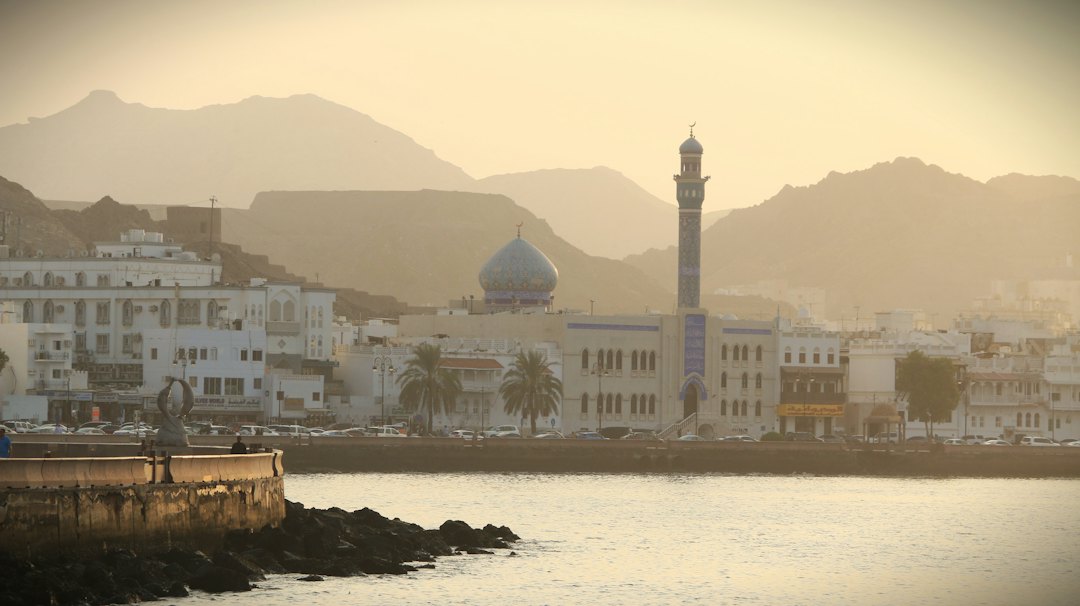
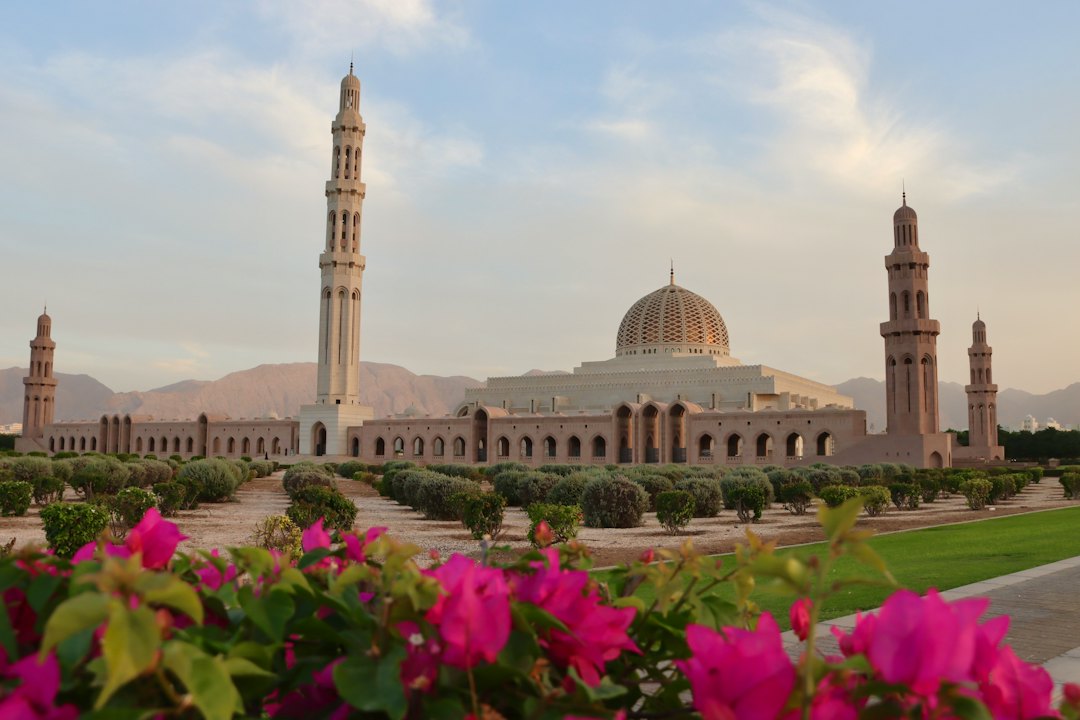
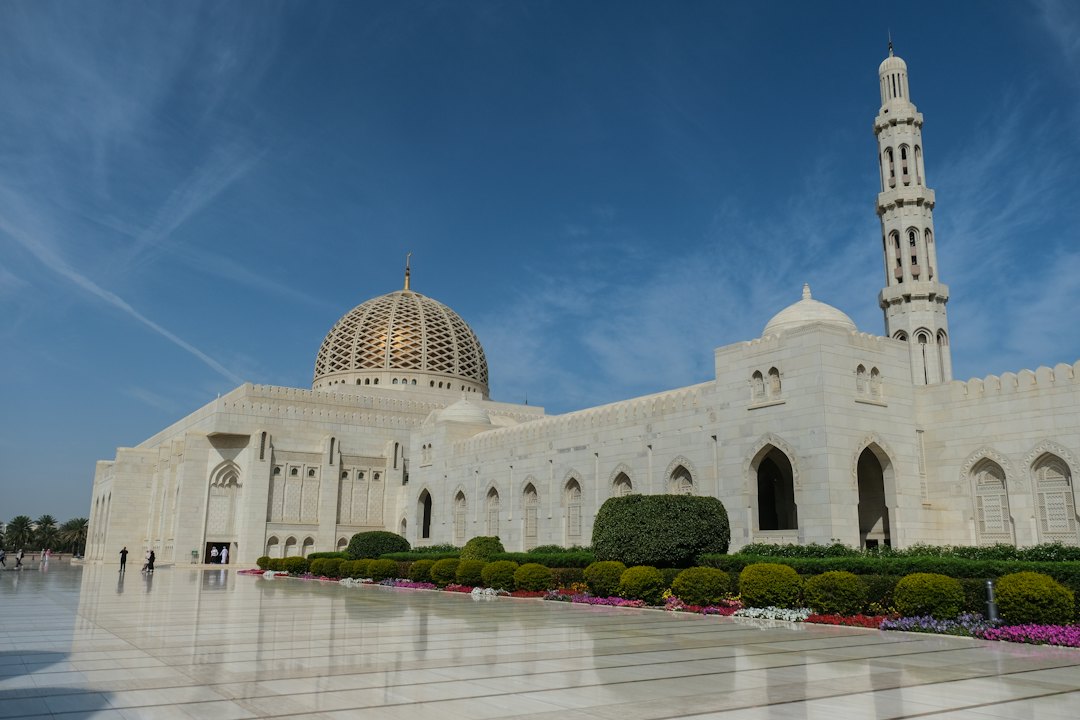
Oman is the Gulf without the skyscrapers, which is a way of saying it is a country you have to drive. Muscat is long, low and white, a string of coastal districts rather than a downtown, with the Sultan Qaboos Grand Mosque as its showpiece and Mutrah’s souk and corniche as its heart. Beyond the capital the road does the talking: to Nizwa and its fort, to emerald pools in Wadi Shab, to the Bimmah Sinkhole, to Jebel Shams and its canyon, to the dunes of the Wahiba Sands.
The honest limit is logistics. Public transport is thin, distances are long and the best places are reached by rental car, preferably a 4x4 if you plan to leave the paved roads. If you will not drive, you will see Muscat and little else. There is also almost no late-night scene; evenings are for dinner and quiet. Winter, from December to January, brings highs near 25°C / 77°F (77°F) and the most visitors; October to November and February to March are the sweetest. From May to September, heat becomes a serious constraint. Dress modestly, carry cash for small places, and treat flash flooding in wadis as real. One Omani rial is about $2.60 (≈ €2.32 / £2.05) (the currency is pegged), so prices look small until you convert them. Everything here is approximate and from general knowledge; check it before you go.
Nizwa’s fort and souk give you old Oman; Jebel Shams gives you the canyon edge and cool mountain air.
Emerald pools and a limestone sinkhole make a classic coastal day. Avoid wadis when it rains.
The Sultan Qaboos Grand Mosque and Mutrah’s corniche and souk are the capital’s two best hours; dress modestly and check mosque hours.
Best time
Best months for most visitors: Oct–Nov & Feb–Mar. Good weather, thinner crowds and fairer prices.
October to November and February to March give pleasant temperatures, quieter roads and lower rates.
December and January are the busiest, with highs near 25°C / 77°F (77°F), perfect hiking weather and the highest prices.
May to September is very hot, often well above 40°C / 104°F (104°F) on the coast, and many outdoor activities are miserable at midday.
Booking window: reserve flights and stays 2–3 months ahead for Oct–Nov & Feb–Mar, and 4–6 months ahead for peak season (Jan, Dec).
Partner links. We earn a commission at no extra cost to you; sponsors never change a ranking or safety note. How we earn money →
Weather
Current temperature loads here when your browser can reach Open-Meteo.
Weather data: Open-Meteo Historical & Live API. A single reading for the main town or area, not the whole destination.
Peak season about 41°C / 106°F; shoulder season about 25°C / 77°F.
Rain: Very low most of the year; occasional winter storms and rare flash floods in wadis.
Highs near 25°C / 77°F (77°F) from December to January, ideal for driving, hiking and desert camps.
May to September can be extremely hot, often well above 40°C / 104°F (104°F) on the coast.
Book hotels and desert camps early, and expect crowds at the mosque and at Wadi Shab.
This is the best compromise for driving and hiking.
Rooms are cheaper but you will spend most of the day indoors.
Weather data: Open-Meteo Historical & Live API (live reading). Typical highs and season notes are our own summaries. How we verify →
Safety
Last updated: government levels come from our editor-verified table (October 2026). When the live UK FCDO check succeeds, its exact UTC time appears in the panel below. The banner takes the most cautious of the five agencies, so a live UK warning always outranks a green entry in our table and any part-country warning shows as red. We never show a level we haven’t checked. How we verify →
Government levels: editor-verified table, October 2026 How we verify →
Five official agencies, one view. Ratings change, so each pill opens the agency’s own page for today’s level.
Tier 4/5 · Standard caution. Check your government’s Oman advice: driving, flash floods, heat and regional tensions.
Oman is covered by the UK FCDO, US State Department and Australian DFAT, and its neighbours include Yemen. The advice generally covers regional tensions, border areas, driving and natural hazards such as flash flooding and extreme heat. We do not quote official levels here; read each current page before you book and again before you travel.
Our plain-English summary of what the UK FCDO, US State Department, Australian Smartraveller, Japan MOFA and South Korea MOFA publish. We quote no live ratings from memory; each button above opens the agency's own page.
Our opinion, not an official warning
Regional nuance: Oman’s pages at the UK FCDO, US State Department and Australia’s Smartraveller typically cover regional tensions, border areas, driving conditions and natural hazards. No official levels are quoted here: check each agency’s current Oman page before you travel.
The concerns that are real: The practical risks are driving (long distances, speed and desert roads), flash floods in wadis, extreme heat in summer and unlicensed taxis. Respect local customs: modest dress, no public displays of affection and care with photography of people.
What headlines overstate: Headlines about the wider region describe real geopolitics, but most visitors’ days in Oman are quiet. Check your government’s advice, follow local weather alerts and drive carefully.
Written by our editors from general travel knowledge and kept apart from the agencies above. How we verify →
Costs
Backpacker
$70 (≈ €60 / £55) per person per day
What it covers: A simple guesthouse or budget hotel room, local meals, a shared or economy car, and free sights.
Mid-Range (default)
$155 (≈ €140 / £120) per person per day
What it covers: A three- or four-star hotel room shared by two, restaurant dinners, a rental car and a desert camp night.
Boutique
$340 (≈ €300 / £270) per person per day
What it covers: Luxury resort or mountain lodge, private guides and a 4x4 with a driver.
Cost source: Audited Local Lodging Taxes, Rail Tariffs & Dining Averages (our own estimates, flights excluded). How we verify →
Source: Should I Go's own estimates, October 2026, in USD per person excluding international flights; euro figures are rough conversions. A couple shares a room, so accommodation drops 25% per person. Prices move, so treat these as a planning range, not a quote.
Estimated total: $0 (≈ €0 / £0)
Estimate in USD per trip, excluding international flights. Two or more travellers share rooms, so accommodation drops 25% per person. Budget and luxury tiers are scaled from the mid-range figure.
Cost source: Audited Local Lodging Taxes, Rail Tariffs & Dining Averages (our own estimates, flights excluded). How we verify →
Where to base yourself
Mosque, Mutrah souk and corniche, and beaches, with good restaurants and flights.
The fort and souk, Jebel Shams canyon and terraced mountain villages such as Jebel Akhdar.
Dunes and desert camps, usually reached in a 4x4.
Wadi Shab, the Bimmah Sinkhole and beach stops along the highway.
Itineraries
Getting between stops: A rental car is best. The Mwasalat A1 bus links the airport and Ruwi; the Otaxi app is a safer taxi option than street cabs.
Getting between stops: Use a 4x4 for mountain and desert tracks, and check road and weather conditions each morning.
Getting between stops: Distances are long: allow full days for driving, and carry cash and water.
Routes and timetables change. Confirm transit times with the operator before you book.
Do and stay
Best for: First-time visitors who want atmosphere
Pros: The corniche, the souk and the old forts, with easy access to the old city.
Watch for: Busy at times, with narrower streets and fewer large hotels.
Best for: Resort-style comfort and a marina
Pros: Modern hotels, restaurants and a waterfront, with beaches nearby.
Watch for: Pricey, and a taxi or car is needed to reach the old sights.
Best for: Mountain cool and terraced villages
Pros: Cooler air, terraced gardens and dramatic views.
Watch for: A steep road where a 4x4 is usually required, and fewer facilities.
These are partner links. We may earn a commission at no extra cost to you.
Trade-offs
Final verdict
Editorial opinion from Should I Go, written from general travel knowledge and reviewed periodically. Verify prices, entry rules and advisories before you book.
Typical costs and rules change; confirm with official sources before you travel.
Almost certainly. Public transport is limited and the best places are spread out. A 4x4 helps for mountain and desert tracks, but check your rental terms and road conditions.
October to November and February to March are best. December to January is busiest, and May to September is very hot, often well above 40°C / 104°F (104°F) on the coast.
Dress modestly in public: shoulders and knees covered, and follow stricter rules at mosques, including the Sultan Qaboos Grand Mosque. Swimwear is for beaches and hotel pools.
Get live weather, activities, travel advisories, and personalised tips for Oman
Check Oman Now →Have you visited Oman? Was it worth it? Readers can vote: Worth Every Penny, Great in Shoulder Season Only, or Overrated / Skip It.