Burj Khalifa and Downtown
The tower is the tallest in the world at 828 metres. Book sunset slots in advance; the fountain show runs in the evening.
Photo: Saj Shafique on Unsplash
Photo: Damir Babacic on Unsplash
View Full Gallery (3)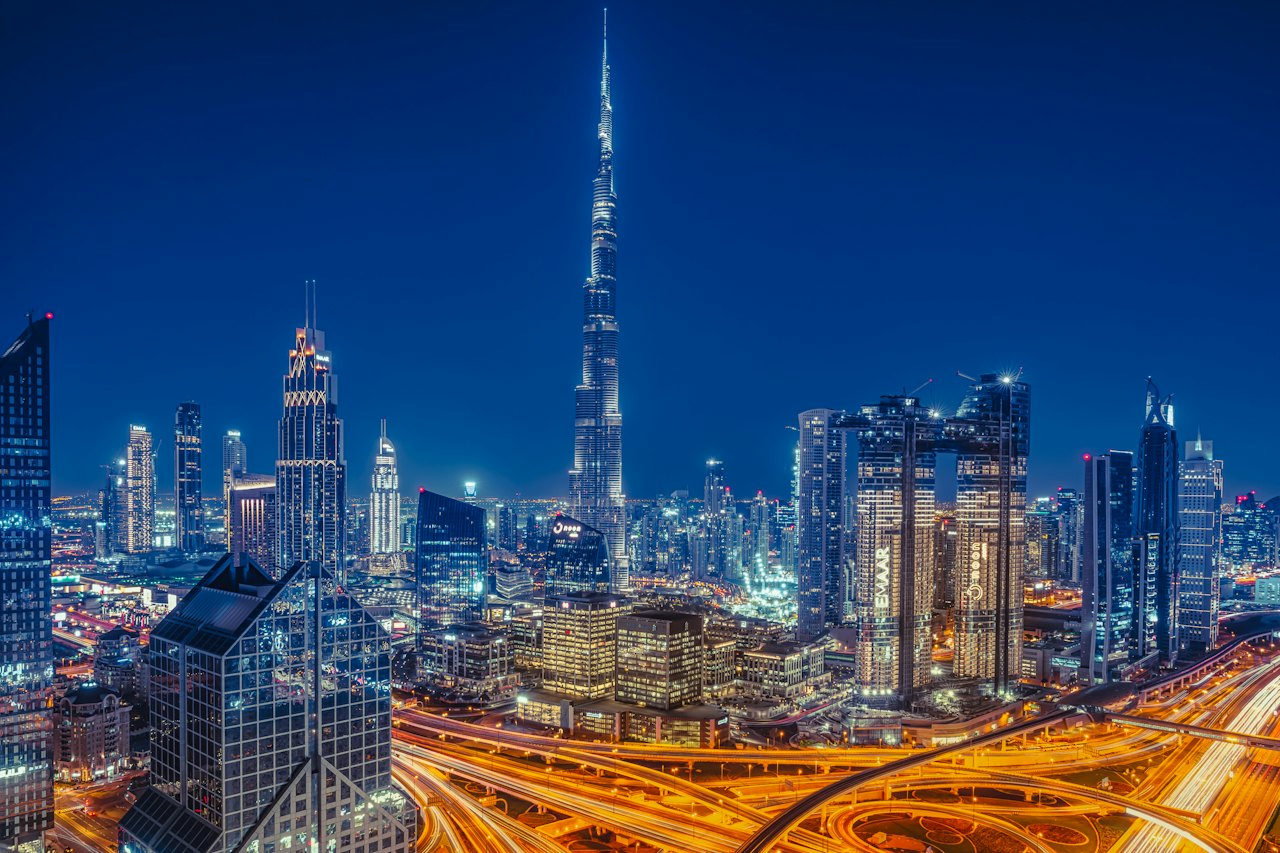
Overview
Dubai is a city of superlatives — the world's tallest building, the largest mall, man-made island resorts, and a desert just 20 minutes from the glittering Marina. Traditional souks meet ultra-modern ambition.
Dubai makes more sense once you accept that it was built for comfort, not for history. The metro is clean and cheap, the beaches are public, and a winter afternoon at 25°C / 77°F is easy. For something older, spend a morning in Al Fahidi and the Deira souks, and cross the creek on an abra. The Burj Khalifa deck is worth booking in advance for sunset. Be honest about the trade-offs: summer heat above 40°C / 104°F sends everyone indoors, and local laws on dress, alcohol and public behaviour are stricter than most visitors expect. Read them before you land. Go between November and March, book the desert safari with a company that limits group sizes, and take the metro rather than taxis for everyday trips.
The tower is the tallest in the world at 828 metres. Book sunset slots in advance; the fountain show runs in the evening.
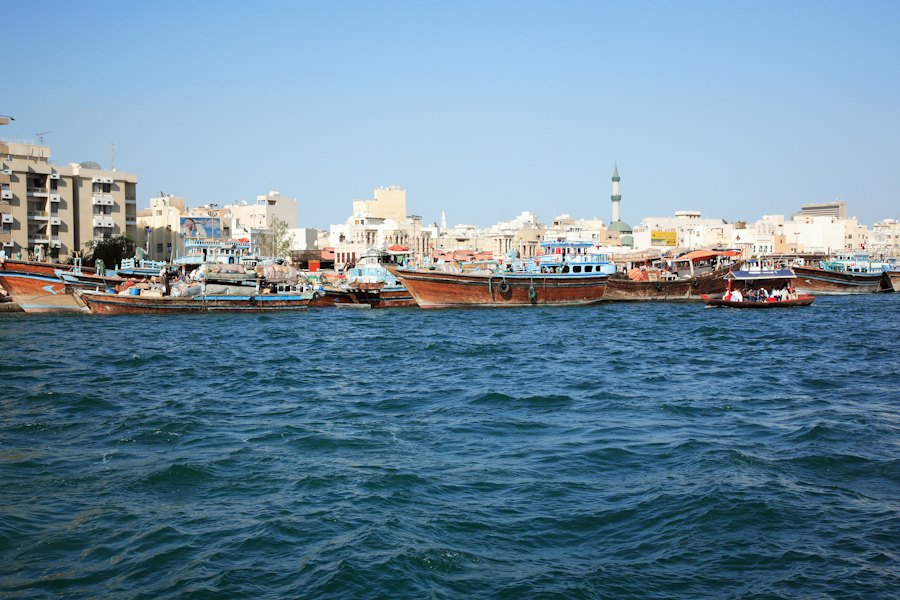
Cross the Creek by abra for about $0.25 (1 dirham; ≈ €0.22 / £0.20). The Al Fahidi district and gold and spice souks show what Dubai was before oil.
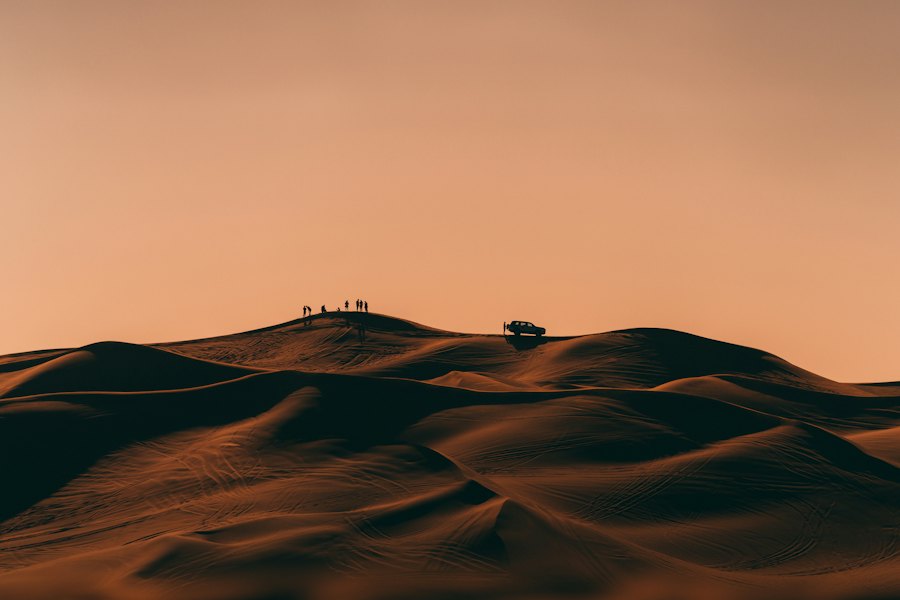
Evening dune drives and camp dinners run daily. Pick an operator that limits vehicles and offers gentle driving.
Best time
Best months for most visitors: Nov–Mar. Good weather, thinner crowds and fairer prices.
March, April and October are the sweet spot.
November to February is peak season, with sunny days of 24–31°C / 75–88°F, dry air and the highest hotel prices, especially at Christmas, New Year and the Dubai Shopping Festival.
May to September is the summer low season, with average highs of 37–41°C / 99–106°F, nights near 30°C / 86°F and sticky humidity.
Booking window: reserve flights and stays 2–3 months ahead for Nov–Mar, and 4–6 months ahead for peak season (Jan–Feb, Nov–Dec).
Partner links. We earn a commission at no extra cost to you; sponsors never change a ranking or safety note. How we earn money →
Weather
Current temperature loads here when your browser can reach Open-Meteo.
Weather data: Open-Meteo Historical & Live API. A single reading for the main town or area, not the whole destination.
Peak season about 41°C / 106°F; shoulder season about 29°C / 84°F.
Rain: Very low.
November to March is warm and dry. July and August can pass 40°C / 104°F, with high humidity.
Cool nights in winter, extreme heat in summer. Evening excursions are the sensible choice.
Book flights and hotels three to four months ahead, and expect busy beaches and attractions.
Daytime temperatures are 28–35°C / 82–95°F, hot but manageable, and sea temperatures are ideal for swimming. Hotel rates are visibly lower than in December and January, and lines at attractions are shorter. Mid-March and late October usually give the best balance of weather and price.
Hotel rates can drop by half or more, and malls and indoor attractions become the main activity. Outdoor sightseeing is limited to early morning or evening.
Weather data: Open-Meteo Historical & Live API (live reading). Typical highs and season notes are our own summaries. How we verify →
Safety
Last updated: government levels come from our editor-verified table (October 2026). When the live UK FCDO check succeeds, its exact UTC time appears in the panel below. The banner takes the most cautious of the five agencies, so a live UK warning always outranks a green entry in our table and any part-country warning shows as red. We never show a level we haven’t checked. How we verify →
Government levels: editor-verified table, October 2026 How we verify →
Five official agencies, one view. Ratings change, so each pill opens the agency’s own page for today’s level.
Tier 4/5 · Standard caution. Take care: regional conflict means a high risk of sudden escalation and airspace disruption; strict local laws.
The UK FCDO, US State Department and Australian DFAT generally describe the UAE as a low-crime destination where visitors should still take care. Their pages focus on strict laws covering drugs, alcohol, dress, public behaviour, social-media posts and some medicines, plus regional security tensions that can change. In its 27 October 2026 update the UK Foreign Office says that since conflict began in early 2026 there have been strikes and retaliatory attacks across the Middle East, that the risk of sudden escalation is high, and that travellers should be ready for flight cancellations, airspace closures and disruption. It does not advise against travel to the UAE. Check the official pages again before booking, and carry prescriptions with documentation.
Our plain-English summary of what the UK FCDO, US State Department, Australian Smartraveller, Japan MOFA and South Korea MOFA publish. We quote no live ratings from memory; each button above opens the agency's own page.
Our opinion, not an official warning
Regional nuance: Advice for the UAE now centres on regional conflict (strikes and retaliatory attacks across the Middle East, a high risk of sudden escalation and possible airspace closures) as well as strict local laws. The UK Foreign Office does not advise against travel to the UAE, but check current advice and flight cover before you go.
The concerns that are real: Crime against tourists is rare, but problems include taxis at the airport quoting fixed prices, dynamic currency conversion on cards, and tour sellers with inflated prices. Summer heat is a real health risk, and legal trouble over alcohol and public behaviour is the more likely danger.
What headlines overstate: Regional conflict is the headline risk in 2026, and its practical effect on a trip is mostly disruption: flights, airspace and plans can change at short notice, so book flexible fares and check your insurance. Street crime against tourists remains rare, and tourists jailed for minor offences are rarer than the headlines suggest, but rules are strictly enforced and ignorance is not a defence.
Written by our editors from general travel knowledge and kept apart from the agencies above. How we verify →
Costs
Backpacker
$105 (≈ €95 / £85) per person per day
What it covers: Hostel dorm or budget hotel in Deira or Bur Dubai, shawarma and South Asian canteen meals at AED 15-30, the Metro and bus with a Nol card, and free beaches.
Mid-Range (default)
$230 (≈ €210 / £180) per person per day
What it covers: Three- or four-star hotel in Downtown or the Marina, sit-down meals at AED 80-150, Burj Khalifa ticket, desert safari, metro and the odd taxi.
Boutique
$510 (≈ €460 / £400) per person per day
What it covers: Five-star hotel on Palm Jumeirah or Downtown, private chauffeur, tasting menus, a private desert camp, yacht cruise and brunch at a top hotel.
Cost source: Audited Local Lodging Taxes, Rail Tariffs & Dining Averages (our own estimates, flights excluded). How we verify →
Source: Should I Go's own estimates, October 2026, in USD per person excluding international flights; euro figures are rough conversions. A couple shares a room, so accommodation drops 25% per person. Prices move, so treat these as a planning range, not a quote.
Estimated total: $0 (≈ €0 / £0)
Estimate in USD per trip, excluding international flights. Two or more travellers share rooms, so accommodation drops 25% per person. Budget and luxury tiers are scaled from the mid-range figure.
Cost source: Audited Local Lodging Taxes, Rail Tariffs & Dining Averages (our own estimates, flights excluded). How we verify →
Where to base yourself
Burj Khalifa, Dubai Mall and the fountains. Convenient and costly.
Beach access and a lively promenade. Good for a short stay.
Souks, creek and cheaper hotels. Authentic but gritty.
Resort strip with long beaches. Car or monorail needed.
Itineraries
Getting between stops: The Dubai Metro links Downtown, the Marina and the airport; taxis for the rest.
Getting between stops: Metro and Palm Monorail for the main route; ride-hailing is cheap.
Getting between stops: The intercity bus takes about two hours between Dubai and Abu Dhabi; taxis are quicker but cost far more.
Routes and timetables change. Confirm transit times with the operator before you book.
Do and stay
Best for: First-timers
Pros: Next to the Burj Khalifa, the Dubai Mall and the fountains, with Metro access and plenty of restaurants. Walking distance to the main sights.
Watch for: Expensive, and sights are close but the area is shopping-centred. Traffic is heavy at peak times, and it feels corporate in the evenings.
Best for: Value
Pros: The old city around the Creek, with souks, abra crossings and the cheapest hotels, plus huge South Asian and Arab food options for a few dirhams.
Watch for: Older buildings, busy streets and few beaches. Some hotels are tired, and summer heat makes street walking hard.
Best for: Beach days
Pros: Walkable waterfront with a beach, tram and Metro, wide range of restaurants and bars, and plenty of mid-range apartment hotels.
Watch for: Crowded, car-heavy and a long trip from the old city. Hotel prices rise sharply in winter, and nightlife can be noisy.
These are partner links. We may earn a commission at no extra cost to you.
Trade-offs
Final verdict
Editorial opinion from Should I Go, written from general travel knowledge and reviewed periodically. Verify prices, entry rules and advisories before you book.
Typical costs and rules change; confirm with official sources before you travel.
November to March is the best time, with comfortable temperatures of 24–31°C / 75–88°F and sunny skies. It is also the most expensive. March, April and October are cheaper and still pleasant, though warmer. Avoid June to September if you plan to spend time outdoors. Many indoor attractions run all year, so summer visits are still possible.
It can be, but it does not have to be. Hotels and attractions are pricey in winter, yet the Metro, street food and public beaches are cheap. A mid-range traveller can expect around $230 (≈ €210 / £180) a day, while a budget traveller can manage on $85-$125 (≈ €75–110 / £65–100) outside peak season. Book hotels early for peak weeks like New Year.
Generally yes. Dubai has low violent crime, well-lit public areas and reliable transport, and women-only Metro carriages exist. The main risks are legal rather than criminal, so dress modestly in malls and mosques, avoid public affection and read the local laws before you travel. Keep valuables out of sight and use licensed taxis after dark.
Get live weather, activities, travel advisories, and personalised tips for Dubai, UAE
Check Dubai, UAE Now →Have you visited Dubai, UAE? Was it worth it? Readers can vote: Worth Every Penny, Great in Shoulder Season Only, or Overrated / Skip It.