Schönbrunn and the Imperial city
Book Schönbrunn timed entry; the Hofburg and the Spanish Riding School fill another day.
Photo: Andreas ***** on Unsplash
View Full Gallery (3)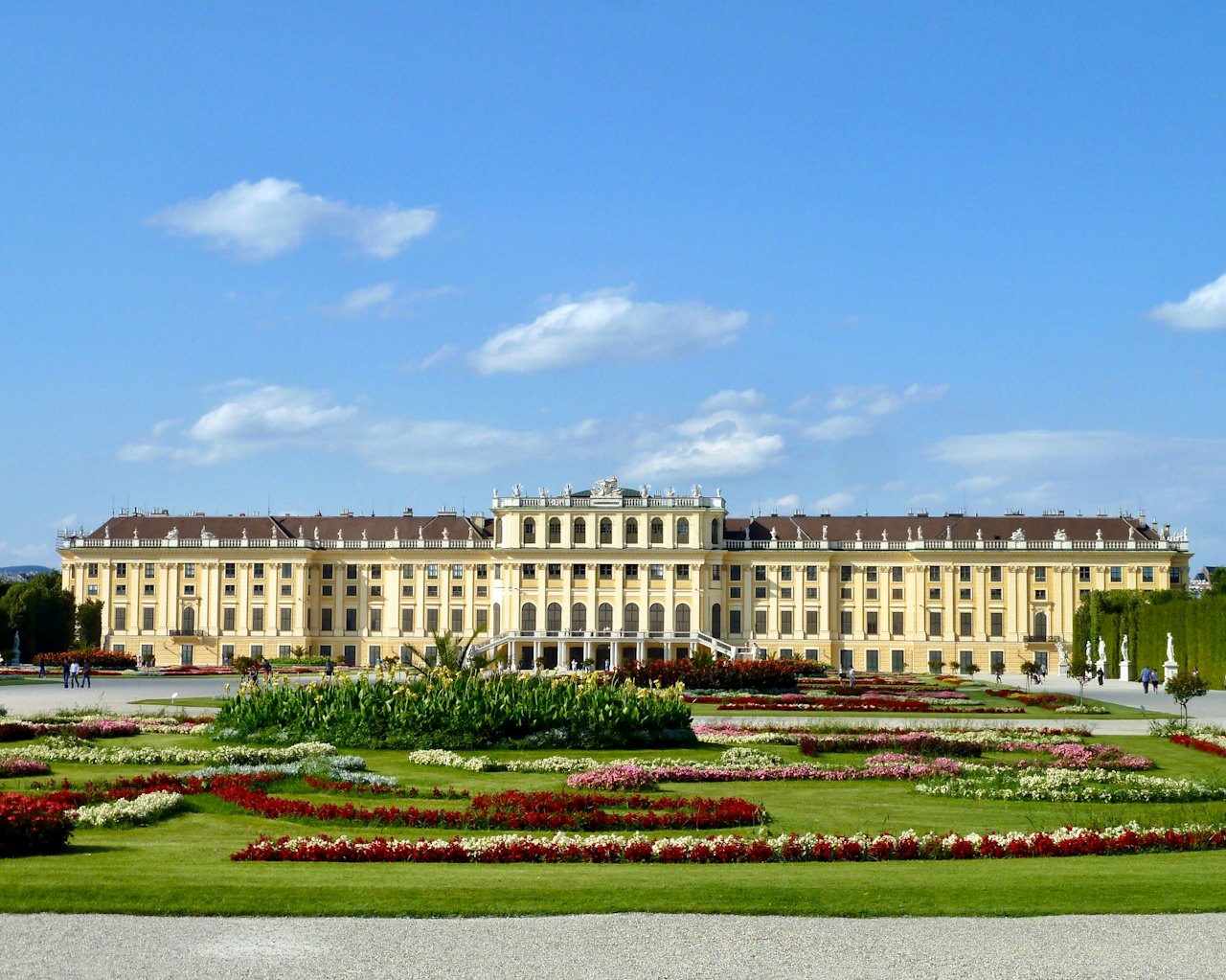
Overview
Vienna is the capital that the Habsburgs built to impress, and it still does: the Hofburg, Schonbrunn, the Ringstrasse and a state opera house, all within one very orderly city. It regularly tops global liveability rankings, and a few days here show why: clean trams, drinkable alpine tap water, parks everywhere and coffeehouses where nobody hurries you.
The city is not cheap, but it is better value than its image suggests. Standing room at the Staatsoper costs a few euros, a Wiener schnitzel at a proper Beisl is about $20–28 (18 to 25 euros; ≈ £16–20), and a 24- or 72-hour transit ticket covers the metro, trams and buses. Skip the costume-clad ticket sellers on the Graben, and the touristy cafes near Stephansplatz, and go to Cafe Central or a neighbourhood coffeehouse in the 7th or 8th district instead. Museums are excellent: the Kunsthistorisches, the Albertina and the Belvedere hold major collections. Spring and autumn are best, December brings Christmas markets, and the opera season pauses in July and August.
Book Schönbrunn timed entry; the Hofburg and the Spanish Riding School fill another day.
Sit with a Melange and a slice of Sachertorte; no one will hurry you.
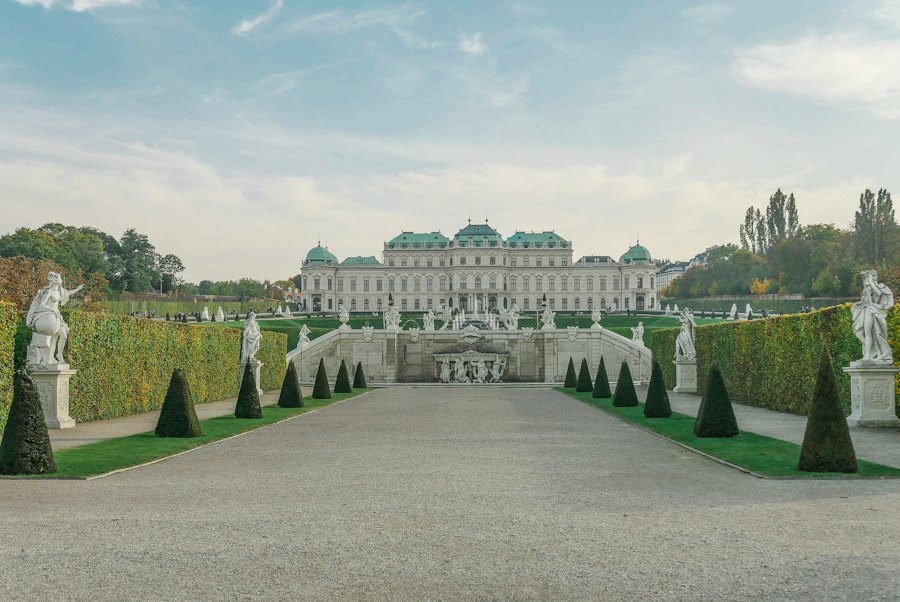
Opera standing tickets cost a few euros. The Kunsthistorisches Museum is one of Europe's great collections.
Best time
Best months for most visitors: Apr-Jun & Sep-Oct. Good weather, thinner crowds and fairer prices.
April to June and September to October are the best months.
December is busy and expensive for Christmas markets, and June to August brings warm weather and tour groups to Schonbrunn and the Hofburg.
January to March is cold, grey and sometimes snowy, but the opera and concert season is in full swing and hotels are cheaper outside Ball Season weekends.
Booking window: reserve flights and stays 2–3 months ahead for Apr-Jun & Sep-Oct, and 4–6 months ahead for peak season (Jan–Mar, Jul–Aug, Nov).
Partner links. We earn a commission at no extra cost to you; sponsors never change a ranking or safety note. How we earn money →
Weather
Current temperature loads here when your browser can reach Open-Meteo.
Weather data: Open-Meteo Historical & Live API. A single reading for the main town or area, not the whole destination.
Mild and bright. Christmas markets make December busy.
Summers can reach 32°C / 90°F; winters are cold with snow possible.
Rooms cost more at New Year and during the Ball Season in January and February. Book accommodation and major tickets early.
The weather is mild, parks and gardens are at their best and prices are lower than in December. Spring brings blossom and outdoor terraces, while autumn brings new wine at the Heurigen.
July and August are not low season for tourists but are quiet for music. November is damp and short on daylight.
Weather data: Open-Meteo Historical & Live API (live reading). Typical highs and season notes are our own summaries. How we verify →
Safety
Last updated: government levels come from our editor-verified table (October 2026). When the live UK FCDO check succeeds, its exact UTC time appears in the panel below. The banner takes the most cautious of the five agencies, so a live UK warning always outranks a green entry in our table and any part-country warning shows as red. We never show a level we haven’t checked. How we verify →
Government levels: editor-verified table, October 2026 How we verify →
Five official agencies, one view. Ratings change, so each pill opens the agency’s own page for today’s level.
Tier 5/5 · Very low risk. Normal precautions: pickpockets at tourist sights and on public transport.
The UK FCDO, US State Department and Australian DFAT generally describe Austria as a low-risk destination where normal precautions apply. Their advice usually mentions petty theft in tourist areas and on public transport, and the general terrorism alert that applies across Europe. Advice varies and changes, so read each government's current Austria page before you book.
Our plain-English summary of what the UK FCDO, US State Department, Australian Smartraveller, Japan MOFA and South Korea MOFA publish. We quote no live ratings from memory; each button above opens the agency's own page.
Our opinion, not an official warning
Regional nuance: Austria's advice is mainly about petty theft and the general European terrorism alert, not any region to avoid. Normal city precautions apply in Vienna.
The concerns that are real: Pickpocketing at busy sights, markets and on the U-Bahn is the main issue, along with ticket touts on the Graben. Violent crime against visitors is rare. In winter, ice on pavements and cold are more of a daily hazard than crime.
What headlines overstate: Occasional reports of protests or heightened security around events such as Christmas markets can seem alarming. In practice, central Vienna is calm and well policed, and most visitors report feeling very safe.
Written by our editors from general travel knowledge and kept apart from the agencies above. How we verify →
Costs
Backpacker
$70 (≈ €60 / £55) per person per day
What it covers: Hostel dorm or budget room, bakery and market meals, a 72-hour transit pass, free parks and one paid museum or opera standing-room ticket.
Mid-Range (default)
$150 (≈ €135 / £120) per person per day
What it covers: Three- or four-star hotel shared by two, a Beisl dinner with wine, Schonbrunn and one museum, coffeehouse stops and public transport.
Boutique
$330 (≈ €290 / £260) per person per day
What it covers: Five-star hotel on or near the Ring, opera or concert seats, fine dining, private tours and taxis.
Cost source: Audited Local Lodging Taxes, Rail Tariffs & Dining Averages (our own estimates, flights excluded). How we verify →
Source: Should I Go's own estimates, October 2026, in USD per person excluding international flights; euro figures are rough conversions. A couple shares a room, so accommodation drops 25% per person. Prices move, so treat these as a planning range, not a quote.
Estimated total: $0 (≈ €0 / £0)
Estimate in USD per trip, excluding international flights. Two or more travellers share rooms, so accommodation drops 25% per person. Budget and luxury tiers are scaled from the mid-range figure.
Cost source: Audited Local Lodging Taxes, Rail Tariffs & Dining Averages (our own estimates, flights excluded). How we verify →
Where to base yourself
The old centre with cathedrals and cafés.
Boutiques, bars and museums quarter.
Ferris wheel and parks.
Danube vineyards and abbeys.
Itineraries
Getting between stops: U-Bahn, trams and buses use a single ticket; the old centre is walkable.
Getting between stops: A 48 or 72 hour Vienna Pass can cover museums and transport.
Getting between stops: Railjet trains link Vienna, Salzburg and Budapest in 2 to 3 hours.
Routes and timetables change. Confirm transit times with the operator before you book.
Do and stay
Best for: First-timers
Pros: Walk to the cathedral, the Hofburg, the opera and the main shopping streets. Evenings are atmospheric and everything is close.
Watch for: The most expensive area, with touristy restaurants and few everyday shops. Quiet at night in some streets.
Best for: Value and coffeehouses
Pros: Independent cafes, bookshops, bars and small hotels within a 10 to 15 minute walk or a short tram ride from the centre. Close to the museum quarter.
Watch for: Fewer major sights on your doorstep. Some streets are busy with traffic.
Best for: Food and nightlife
Pros: The Naschmarkt, the Karmelitermarkt and a variety of restaurants and bars, with good metro links. Often cheaper than the first district.
Watch for: Can be noisy at night, and some streets near the main stations are less attractive.
These are partner links. We may earn a commission at no extra cost to you.
Trade-offs
Final verdict
Editorial opinion from Should I Go, written from general travel knowledge and reviewed periodically. Verify prices, entry rules and advisories before you book.
Typical costs and rules change; confirm with official sources before you travel.
Three days covers the main sights: Schonbrunn, the Hofburg, a museum or two and a coffeehouse afternoon. Four allows a Heuriger evening and the Belvedere, and a fifth lets you take a day trip to the Wachau valley. It is a good city for a long weekend.
Moderately. It costs less than Zurich or Paris but more than Prague or Budapest. A mid-range day costs about $130 to $180 (≈ €115–160 / £100–140) per person. Opera standing room, lunch menus, the transit pass and free parks keep costs down.
April to June and September to October offer mild weather and fewer crowds. December is excellent for Christmas markets but busy. Summer is hot and the opera takes a break in July and August. Winter is cold but suits the concert and opera calendar, including Ball Season in January and February.
Get live weather, activities, travel advisories, and personalised tips for Vienna
Check Vienna Now →Have you visited Vienna? Was it worth it? Readers can vote: Worth Every Penny, Great in Shoulder Season Only, or Overrated / Skip It.