Dubrovnik's city walls
Walk the walls early, before the cruise-ship crowds. Then take the cable car for the view back over the old town.
Photo: Mike Swigunski on Unsplash
View Full Gallery (3)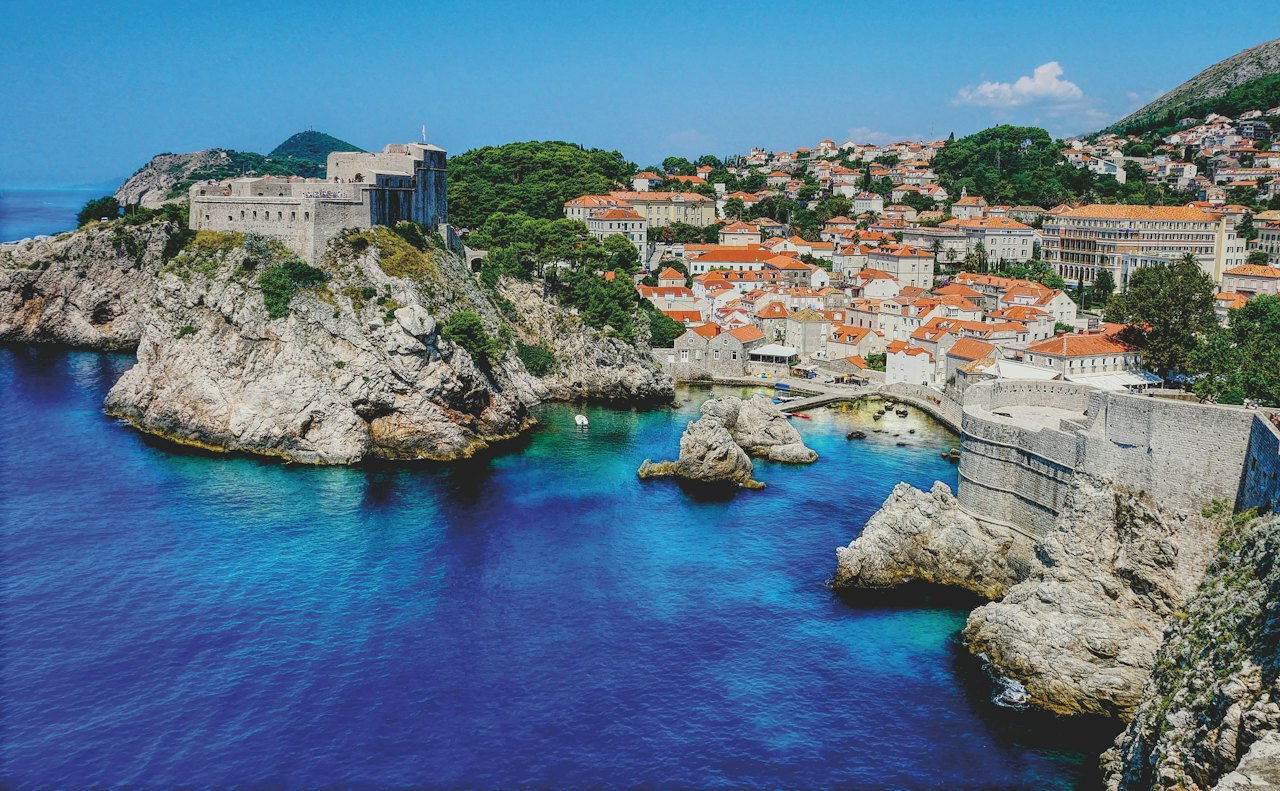
Overview
Croatia's coastline is one of Europe's finest — over 1,000 islands, medieval walled cities, crystal-clear Adriatic waters, and world-class seafood. Dubrovnik, Split, Hvar, and the Plitvice Lakes are each extraordinary.
Croatia's coast is one of Europe's loveliest, and also one of its most crowded in high summer. Dubrovnik's walls and Split's Roman palace are worth seeing early or late, when the cruise-ship groups have left. Beaches are mostly pebbly, not sandy, so bring water shoes. Ferries from Split reach Hvar, Brač and Vis, and Jadrolinija sells tickets online in advance. Inland, Plitvice Lakes is stunning but queues from mid-morning, so buy tickets for an early slot. Prices have risen a lot since the euro arrived, and May, June and September give the best balance of weather and room to move.
Walk the walls early, before the cruise-ship crowds. Then take the cable car for the view back over the old town.
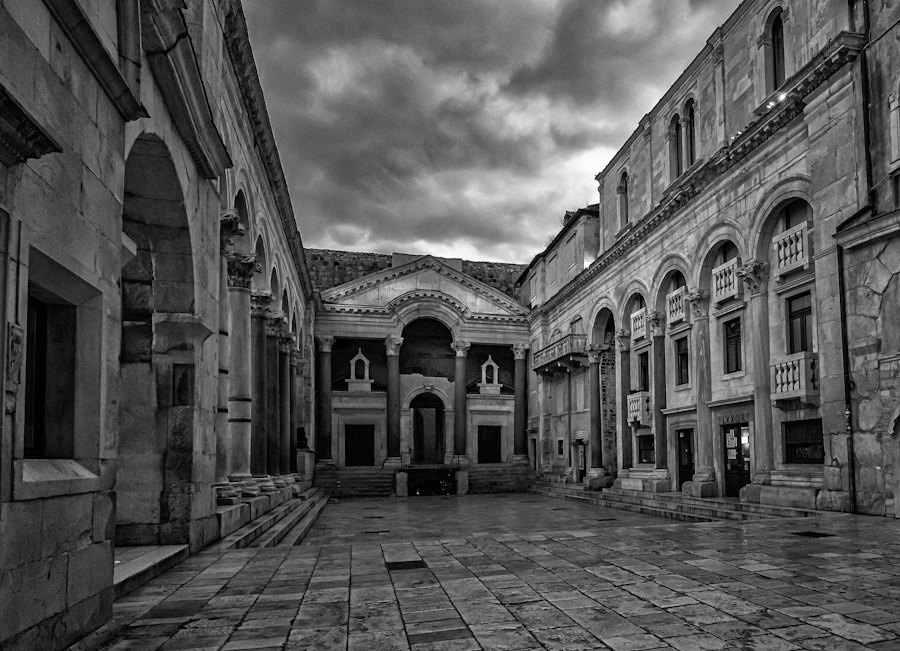
A living Roman palace with shops and cafés inside. The island ferries leave from the harbour.
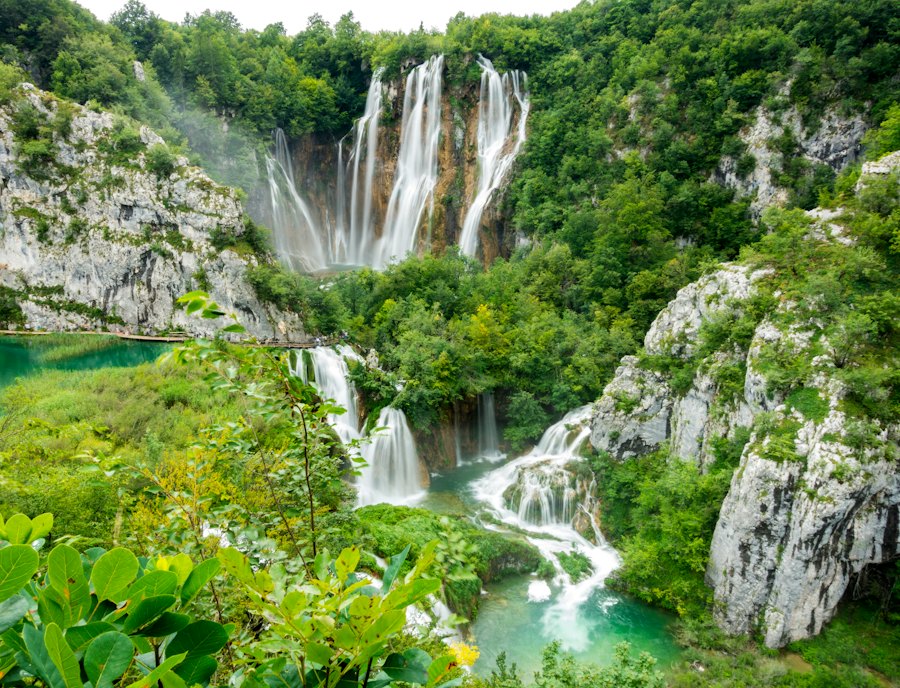
Plitvice is best in the early morning. Hvar and Vis offer beaches and quiet coves.
Best time
Best months for most visitors: May–Jun & Sep. Good weather, thinner crowds and fairer prices.
May, June and September are the best months for weather against prices.
July and August are peak season, with sea temperatures of about 23 to 26 degrees Celsius (a little cooler at Split, warmest at Dubrovnik), hot days often above 30 degrees, and busy ferries.
November to March is quiet, mild on the coast and cold inland, with rain and bora winds.
Booking window: reserve flights and stays 2–3 months ahead for May–Jun & Sep, and 4–6 months ahead for peak season (Jul–Aug).
Partner links. We earn a commission at no extra cost to you; sponsors never change a ranking or safety note. How we earn money →
Weather
Current temperature loads here when your browser can reach Open-Meteo.
Weather data: Open-Meteo Historical & Live API. A single reading for the main town or area, not the whole destination.
Peak season about 29°C / 84°F; shoulder season about 22°C / 72°F.
Rain: Low in summer; wetter in autumn.
Hot, dry summers and mild winters. Sea warmth peaks in August.
Cooler, with a wet spring and snow in winter.
Dubrovnik, Hvar and Split are at their most crowded, and room rates may be roughly double those of May or September. Book accommodation and car ferries months in advance.
Days are warm and sunny, the sea is swimmable from about June, and September water is still warm, around 22 to 24 degrees. Sights are less crowded and rooms noticeably cheaper than July and August. October is also good for walking and sightseeing, though the sea is cooler and some island services are reduced.
Many island hotels, restaurants and ferries reduce services or close, but prices are lowest and Dubrovnik and Split are far less crowded. Plitvice Lakes in snow is striking, though some trails may be closed.
Weather data: Open-Meteo Historical & Live API (live reading). Typical highs and season notes are our own summaries. How we verify →
Safety
Last updated: government levels come from our editor-verified table (October 2026). When the live UK FCDO check succeeds, its exact UTC time appears in the panel below. The banner takes the most cautious of the five agencies, so a live UK warning always outranks a green entry in our table and any part-country warning shows as red. We never show a level we haven’t checked. How we verify →
Government levels: editor-verified table, October 2026 How we verify →
Five official agencies, one view. Ratings change, so each pill opens the agency’s own page for today’s level.
Tier 5/5 · Very low risk. Normal precautions: summer heat, wildfire risk and strong sun.
The UK FCDO, US State Department and Australian DFAT generally describe Croatia as a low-risk destination where normal precautions apply. Their advice usually mentions petty theft in crowded places, summer heat and wildfires, sea and boating safety, and unexploded mines in some former conflict areas inland, so stay on marked paths. Check the official pages from all three before booking.
Our plain-English summary of what the UK FCDO, US State Department, Australian Smartraveller, Japan MOFA and South Korea MOFA publish. We quote no live ratings from memory; each button above opens the agency's own page.
Our opinion, not an official warning
Regional nuance: Croatia's advice usually notes unexploded landmines in a few former conflict areas, far from Dubrovnik, Split and the coast. Stay on marked paths if you hike inland.
The concerns that are real: Overpriced taxis and restaurants without posted prices, especially in Dubrovnik's old town, are the usual complaint. Pickpockets work crowded ferries and streets. Watch for standalone ATMs with poor exchange rates, sea urchins on rocky shores, strong sun, and drink-driving or speed on coastal roads.
What headlines overstate: Wildfire and heatwave headlines can sound alarming, but they affect specific areas for short periods and ferries and flights mostly run as usual. Mines are confined to marked inland zones. Most trips are uneventful.
Written by our editors from general travel knowledge and kept apart from the agencies above. How we verify →
Costs
Backpacker
$65 (≈ €60 / £50) per person per day
What it covers: Hostel dorm or private room in a guesthouse, bakery burek and market lunches, local buses and ferries, free beaches, walks and old town streets, with one paid sight.
Mid-Range (default)
$140 (≈ €125 / £110) per person per day
What it covers: Boutique three-star or apartment shared by two, konoba dinners with local wine, ferry tickets, entry to Dubrovnik walls or Plitvice, and one boat excursion.
Boutique
$310 (≈ €280 / £240) per person per day
What it covers: Four- or five-star seafront hotel, private boat or skipper charter, tasting menus with island wine, private guides and car transfers between towns.
Cost source: Audited Local Lodging Taxes, Rail Tariffs & Dining Averages (our own estimates, flights excluded). How we verify →
Source: Should I Go's own estimates, October 2026, in USD per person excluding international flights; euro figures are rough conversions. A couple shares a room, so accommodation drops 25% per person. Prices move, so treat these as a planning range, not a quote.
Estimated total: $0 (≈ €0 / £0)
Estimate in USD per trip, excluding international flights. Two or more travellers share rooms, so accommodation drops 25% per person. Budget and luxury tiers are scaled from the mid-range figure.
Cost source: Audited Local Lodging Taxes, Rail Tariffs & Dining Averages (our own estimates, flights excluded). How we verify →
Where to base yourself
Walled old town, sea kayaks and Game of Thrones tours. Very busy in summer.
A Roman palace, a lively waterfront and the ferry hub.
Islands with beaches, lavender and wine. Hvar is lively; Vis is quieter.
Waterfalls and a calm capital. Reach by bus.
Itineraries
Getting between stops: Buses link Dubrovnik and Split in about 4.5 hours. In summer a fast catamaran and the slower Jadrolinija coastal ferry also run, so check current timetables.
Getting between stops: Catamarans to Hvar from Split take about 1 to 2 hours; book ahead in summer.
Getting between stops: Buses cover most legs; a car helps for Plitvice.
Routes and timetables change. Confirm transit times with the operator before you book.
Do and stay
Best for: First-timers
Pros: Roman palace, seafront promenade, great restaurants and the ferry port in one walkable area. A convenient base for Hvar, Brac, Trogir and Krka.
Watch for: Crowded and loud in summer, with high prices inside the palace walls. Cheaper rooms sit further out and need a bus ride.
Best for: Value
Pros: Staying outside the old town cuts costs and gives you quieter evenings, local beaches and sea views. Frequent buses reach Pile Gate in about 15 to 20 minutes.
Watch for: You lose evenings inside the walls once the day trippers leave. Hills are steep and summer traffic is slow.
Best for: Islands
Pros: Hvar Town has the harbour, fortress and nightlife, while Stari Grad is calmer and cheaper, with easy ferry links and lavender fields nearby.
Watch for: Hvar Town is very expensive and loud in peak summer, and lodgings can sell out. Stari Grad is quiet at night.
These are partner links. We may earn a commission at no extra cost to you.
Trade-offs
Final verdict
Editorial opinion from Should I Go, written from general travel knowledge and reviewed periodically. Verify prices, entry rules and advisories before you book.
Typical costs and rules change; confirm with official sources before you travel.
June and September are usually best. The weather is warm, the sea is swimmable, and the coast is less crowded than in July and August. May is good for sightseeing, but the water is still cool. September has the warmest sea and noticeably lower prices than peak summer. July and August are hot and crowded, so book far ahead if those are your only dates.
It is no longer cheap. Prices have risen since the country adopted the euro, and the coast in summer costs about the same as Italy or Spain. Mid-range travellers should expect about $125 to $155 (≈ €110–140 / £100–120) per person per day. Travelling in May, June or September and staying outside the old towns saves money.
Seven to ten days works well for a first trip: three in Dubrovnik and Split each, with a day trip to an island or Plitvice. You can see the main sights in less, but ferries and drives take time. Add days for island hopping. Dubrovnik and Split are about four and a half hours apart by bus, so allow a travel day between them.
Get live weather, activities, travel advisories, and personalised tips for Croatia
Check Croatia Now →Have you visited Croatia? Was it worth it? Readers can vote: Worth Every Penny, Great in Shoulder Season Only, or Overrated / Skip It.