Winter Is Three Different Holidays
Winter sells three separate holidays under one name, and the common mistake is booking the wrong one. The best winter travel destinations split into snow (Zermatt, Lapland, Niseko), culture in a good coat (Vienna) and reliable sun (the Canary Islands, Costa Rica). Each has its own price curve and its own crowd.
Three things decide whether a trip works. Booking window: flights and beds for Christmas and New Year are usually cheapest four to six months out, while January softens prices almost everywhere cold. Weather sweet spot: pick cold dependable enough for snow, or warm enough for a beach, and avoid the grey middle. Crowds: the worst weeks are the fortnight around 25 December and February half-term. Shift by a week and the same room can cost a third less.
If you are weighing where to travel in winter, start with what you want to stand in: snow, a ballroom or a warm sea. Prices below are estimates in US dollars, checked in October 2026, and will move. Cheap winter trips exist, but they rarely include the lift pass. Not sure which of the three suits you? Run your shortlist through the Should I Go decision engine first.
Zermatt and the Swiss Alps, Switzerland: Skiing Under the Matterhorn
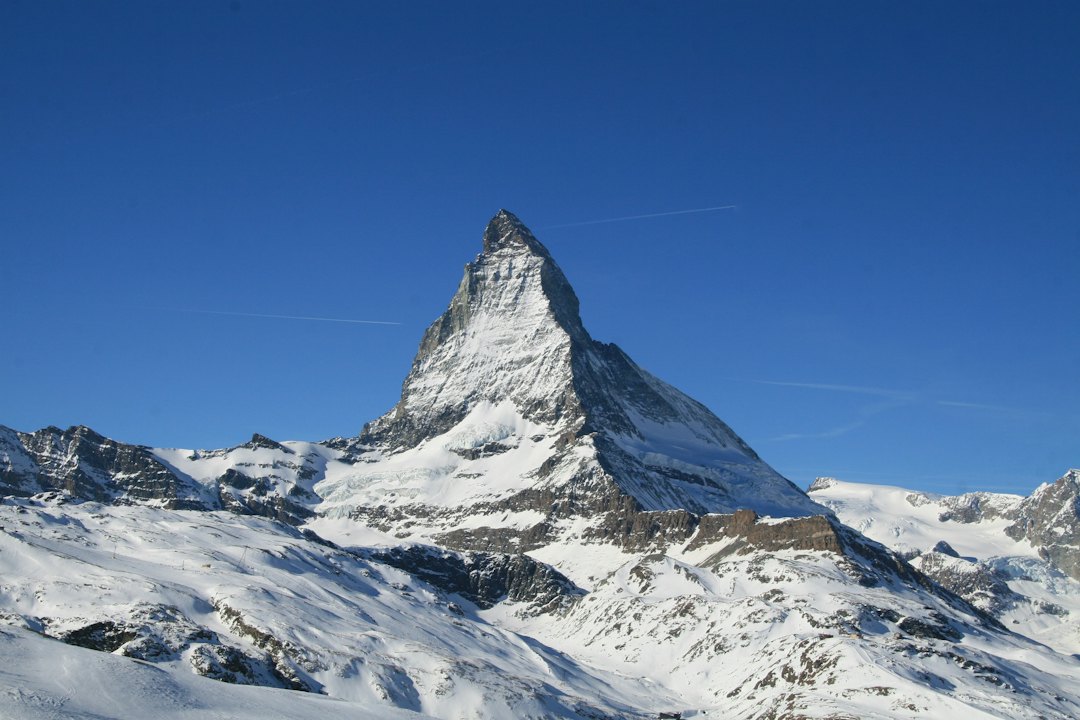
Zermatt suits you if you want snow that is dependable rather than merely likely. Daytime highs average about -1°C (31°F) in January in the village and fall well below that on the mountain. The Matterhorn Glacier Paradise, close to 3,900 metres, keeps pistes open when lower resorts have gone brown.
Go in January: the snow is crisp and the lifts are quieter than the Christmas fortnight. The honest trade-off is cost. A fondue in a mountain hut will cost more than a full day's food in Vienna, and that is the Swiss deal.
Top three things to do
- Ski the glacier runs and, on a clear day, cross to Cervinia in Italy. Take your passport and check the last lift home.
- Eat fondue at a mountain hut at lunch, not on the village high street at night. Book ahead in peak weeks.
- Ride the Glacier Express towards St. Moritz. The full route takes about eight hours, the panoramic windows are the point, and seat reservations are compulsory.
Daily budget (estimates, October 2026)
- Backpacker: about $75 (≈ €65 / £60) a day. Dorm bed, supermarket lunches, no lift pass.
- Mid-range: about $200 (≈ €180 / £155) a day. Three-star hotel, one restaurant meal, trains.
- Luxury: about $450 (≈ €400 / £350) a day. Five-star stay, guided skiing, long dinners.
- Lift passes are extra, and a day ticket in peak season is typically around $100 (≈ €90 / £80) or more.
Crowds and when to book
- Crowd level: high in ski season (4 out of 5).
- Book Christmas, New Year and February four to six months ahead. Outside those weeks, two to three months is usually enough.
Safety and scams
- Check the daily avalanche bulletin before leaving marked pistes, and ski with a guide off-piste.
- Mountain rescue by helicopter is often not covered by basic health insurance. Buy a policy that says so in writing. Scams are rare here; the real trap is menus without prices.
Lapland (Rovaniemi and Inari), Finland: Aurora and Reindeer Country
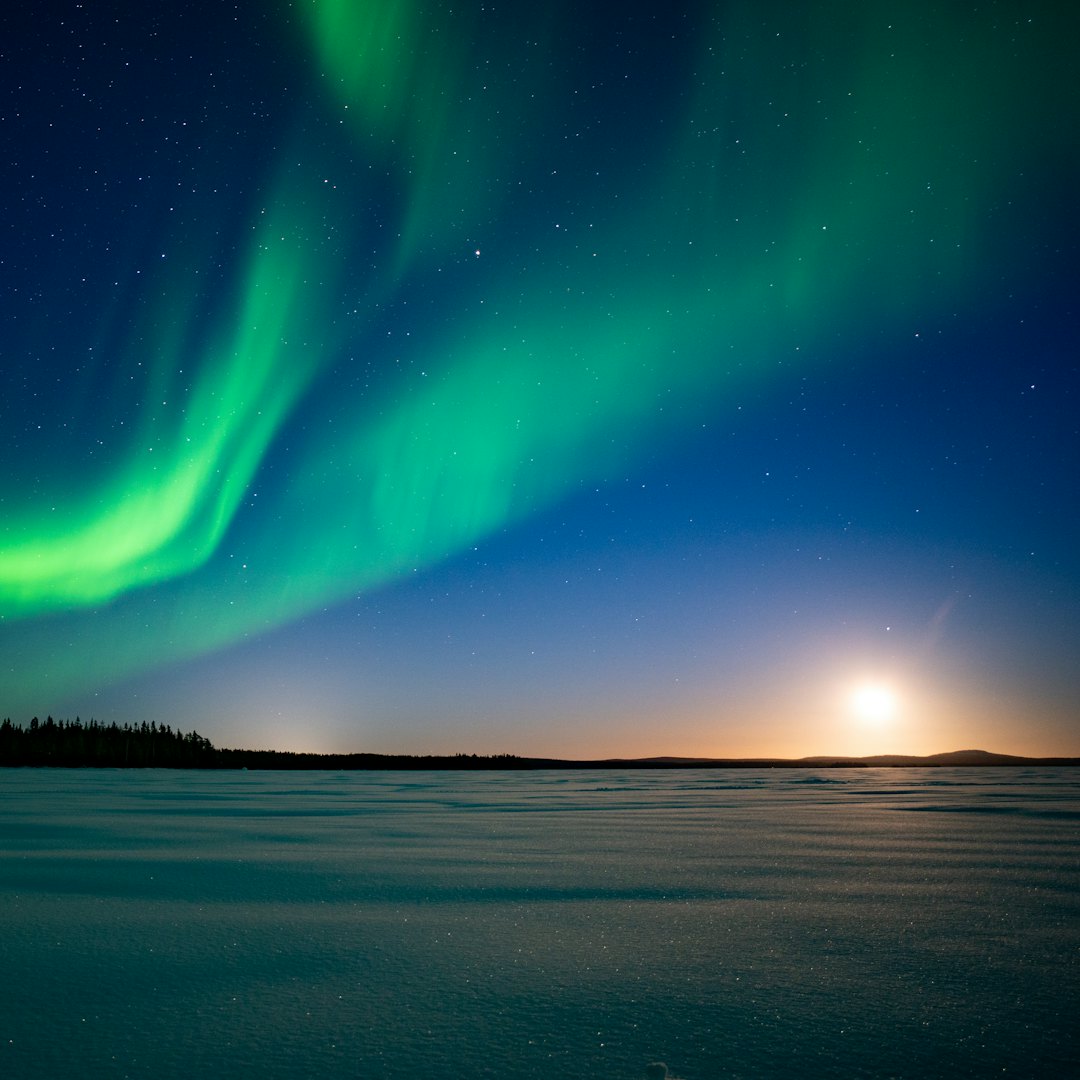
Lapland is the cold one. Expect daytime highs near -9°C (16°F), lows far below, and reliable snow cover from December to March. The Northern Lights need clear skies and darkness, not luck alone, so give yourself at least three nights. Nobody can promise an aurora, and a tour that does is selling something else.
Why now: the polar night means long, dark afternoons, which is exactly what aurora hunting needs, and snow is deepest from January. Inari, further north, is quieter and darker than Rovaniemi, which is busier with Santa Claus attractions.
Top three things to do
- Hunt the aurora on a guided evening out of town, away from streetlights. Dress for standing still.
- Spend one night in a glass igloo. It is expensive, and it is also the only bed you will want to stay awake in.
- Drive a husky sled through snowbound pine forest, or choose a reindeer safari for a gentler pace.
Daily budget (estimates, October 2026)
- Backpacker: about $85 (≈ €75 / £65) a day. Hostel or cabin bunk, self-catering, no tours.
- Mid-range: about $220 (≈ €195 / £175) a day. Cabin or hotel, one guided activity every second day.
- Luxury: about $520 (≈ €460 / £410) a day. Glass igloo, private safaris, fine dining.
- Tours are the real expense: a husky or aurora outing often costs $100 to $200 (≈ €90–180 / £80–155) a person.
Crowds and when to book
- Crowd level: peak over winter and the holiday season (4 out of 5).
- Book flights and igloos five to seven months ahead for Christmas, three to four for January and February.
Safety and scams
- Cold injury is the main risk. Layer up, cover skin and keep spare gloves. Icy roads make winter driving risky for beginners, so consider transfers.
- Be wary of aurora tours that guarantee sightings, and check the operator's cancellation terms.
Vienna, Austria: Palaces, Opera and Coffeehouses
Vienna is the best winter travel destination for people who would rather be warm indoors by 4pm. Highs are around 2°C (36°F), with a mix of frost, fog and occasional snow, so a coat matters more than boots. The city is built for this weather: coffeehouses, opera and palaces all work better in the cold.
Come in late November to early January for Christmas markets and the New Year concert season, or in January and February for lower hotel prices. Our guide to the best Christmas markets in Europe covers dates and the mug deposit trick. For a longer route across the continent, see how to see Europe on a budget.
Top three things to do
- Walk through the Belvedere palace and see Klimt's The Kiss. Go at opening time to beat the tour groups.
- Skate at the Rathausplatz ice rink, usually open from mid-November, with the city hall lit behind you.
- Book a classical concert, including New Year programmes, or buy a standing ticket at the State Opera on the day.
Daily budget (estimates, October 2026)
- Backpacker: about $55 (≈ €50 / £45) a day. Hostel, supermarket meals, a transit pass.
- Mid-range: about $135 (≈ €120 / £105) a day. Three-star hotel, coffeehouse lunches, one museum.
- Luxury: about $300 (≈ €270 / £240) a day. Grand hotel, opera seats, fine dining.
Crowds and when to book
- Crowd level: moderate (3 out of 5), rising sharply around Christmas and New Year.
- Book December stays three to four months ahead. Concert tickets for New Year go earlier, often by September.
Safety and scams
- Pickpockets work crowded Christmas markets and trams, so keep wallets in front pockets.
- Costumed touts near the opera sell concert tickets that are often overpriced. Buy from official venues or box offices.
Canary Islands (Tenerife and Gran Canaria): Winter Sun in Europe
The Canary Islands are the dependable answer to a European winter. Daytime highs reach about 22°C (72°F), the sea is cool but swimmable, and rain is brief and mostly in the north. The south coasts of Tenerife and Gran Canaria are the driest. For top winter vacations that do not need long-haul flights, this is the sensible pick.
Why now: January and February are warm enough for beach days and cool enough for hiking, which summer is not. The catch is that the south coast resorts can feel like airports with sand.
Top three things to do
- Hike in Teide National Park, among the volcanic landscape. You need a free permit for the final climb to the summit.
- Spend a beach day on the south coast of Tenerife or at Maspalomas dunes on Gran Canaria.
- Take a whale-watching boat from southwest Tenerife. Choose a licensed operator.
Daily budget (estimates, October 2026)
- Backpacker: about $42 (≈ €40 / £35) a day. Hostel or budget apartment, bakery lunches, local buses.
- Mid-range: about $95 (≈ €85 / £75) a day. Apartment or three-star hotel, restaurant dinners.
- Luxury: about $195 (≈ €175 / £155) a day. Beachfront resort, car hire, spa.
Crowds and when to book
- Crowd level: moderate, with a winter-sun peak (3 out of 5).
- Book Christmas and February half-term stays three to five months ahead, and January three to six weeks out.
Safety and scams
- Atlantic currents are strong. Swim at beaches with lifeguards and obey flag colours.
- Timeshare touts and overpriced beach-lounger offers are the common irritations. Politely decline anything that begins with a free gift.
Costa Rica (Guanacaste and Arenal): Dry Season and Rainforest
Costa Rica's dry season runs roughly from December to April, which makes winter its best stretch. Expect highs near 28°C (82°F) with sunshine on the Pacific side, while Arenal sees more passing showers. For people asking where to travel in winter for warmth and wildlife together, this is the clear contender.
Why now: roads are passable, surf is reliable and hot springs feel better at night after a day in the sun. The trade-off is that dry season is also the busy season, and prices rise accordingly. Rainforest is wetter than the brochures suggest, so pack a light rain jacket even in January.
Top three things to do
- Soak in the volcano-fed hot springs near Arenal after dark, when the pools are quieter.
- Surf or learn at a Pacific beach in Guanacaste. Lessons are widely available and priced fairly.
- Join a canopy or night walk to spot sloths and toucans. Use a guide with a good reputation.
Daily budget (estimates, October 2026)
- Backpacker: about $45 (≈ €40 / £35) a day. Hostel, local sodas for meals, shared shuttles.
- Mid-range: about $120 (≈ €105 / £95) a day. Lodge or hotel, a mix of tours and meals.
- Luxury: about $260 (≈ €230 / £200) a day. Eco-lodge, private transfers, guided tours.
Crowds and when to book
- Crowd level: moderate to high (3 to 4 out of 5).
- Book Christmas and New Year lodges four to six months ahead. January and February usually need two to three months.
Safety and scams
- Petty theft from parked cars is the most common problem. Never leave bags visible.
- Rip currents catch swimmers off guard, so swim where lifeguards are posted. Book tours directly with operators, not roadside agents.
Hokkaido (Niseko), Japan: Powder and Onsens
Niseko has some of the most reliable powder on earth, and the numbers explain it. Highs average around -5°C (23°F), the snow is light and dry, and it falls often. Japan's winter pattern brings storms from the Siberian side that dump on Hokkaido, so cold days are also deep days.
Why now: January and early February are the heart of the powder season. Après-ski here means an onsen, not a bar. The honest trade-off: Niseko's main resort strip has become expensive and busy with international guests, so look at nearby towns for better value.
Top three things to do
- Ski the powder across Niseko United's four linked resorts. Hire a guide on the first deep day.
- Soak in an outdoor onsen. Learn the etiquette first: wash before entering, and check rules on tattoos.
- Eat miso ramen in a local shop after skiing. Carry cash, as many small places do not take cards.
Daily budget (estimates, October 2026)
- Backpacker: about $50 (≈ €45 / £40) a day. Hostel, convenience-store breakfast, ramen dinners. No lift pass.
- Mid-range: about $130 (≈ €115 / £100) a day. Guesthouse, one meal out, local transport.
- Luxury: about $280 (≈ €250 / £220) a day. Slopeside lodging, guided powder days.
- Lift tickets and rentals add significantly to every tier.
Crowds and when to book
- Crowd level: high in ski season (4 out of 5).
- Book accommodation six to nine months ahead for January and February. Flights to Sapporo are cheaper bought four to five months out.
Safety and scams
- Backcountry skiing carries real avalanche and tree-well risk. Use local guides and carry rescue gear.
- Scams are rare in Japan. Confirm all-in prices for rentals and lessons before paying.
Winter Destinations Compared at a Glance
Temperatures are typical daytime highs. Costs are daily mid-range estimates for one traveller in October 2026.
| Destination | Avg high temp | Daily mid-range cost | Crowd index (1-5) | Best for |
|---|---|---|---|---|
| Zermatt, Switzerland | -3°C / 26°F | $200 (≈ €180 / £155) | 4 | Alpine skiing |
| Lapland, Finland | -9°C / 16°F | $220 (≈ €195 / £175) | 4 | Northern Lights |
| Vienna, Austria | 2°C / 36°F | $135 (≈ €120 / £105) | 3 | Culture and music |
| Canary Islands, Spain | 22°C / 72°F | $95 (≈ €85 / £75) | 3 | Winter sun |
| Costa Rica | 28°C / 82°F | $120 (≈ €105 / £95) | 3-4 | Wildlife and beaches |
| Hokkaido, Japan | -5°C / 23°F | $130 (≈ €115 / £100) | 4 | Powder and onsens |
Winter Travel Questions, Answered
When is the cheapest time to book winter travel?
For Christmas and New Year, book four to six months ahead. For January and February, two to three months is often enough, and prices fall once the holiday weeks end. Flying midweek and staying flexible by a day can save more than any deal.
What destinations offer the best balance of good weather and low costs in winter?
The Canary Islands and Costa Rica balance warm weather and moderate costs best, at roughly $95 (≈ €85 / £75) and $120 (≈ €105 / £95) a day mid-range. Vienna is the cheapest of the cold options at about $135 (≈ €120 / £105) a day. Avoid the Christmas week in all three to keep prices down.
How do I avoid major crowds during peak winter holidays?
Travel in the first three weeks of January or after February half-term. Choose weekday arrivals and quieter areas, such as Inari rather than Rovaniemi.
What essentials should I pack for winter travel?
Pack layers: a thermal base, a fleece and a waterproof shell, plus gloves, a hat and proper boots. For sun destinations bring sunscreen and a light rain jacket.
Planning Notes Before You Book
Pick the type of winter first, then the place. Snow trips reward early booking, culture trips reward flexible dates, and sun trips reward patience once the holiday weeks pass. Prices and conditions change, so treat every figure here as a starting point.
Before you commit, check the live weather, read the latest government travel advisories and test your shortlist on Should I Go, where the interactive decision engine compares destinations for your dates.