Arenal volcano and hot springs
The cone is often cloud-capped; hot springs outside La Fortuna cost far less than the big resorts.
Photo: Leslie Cross on Unsplash
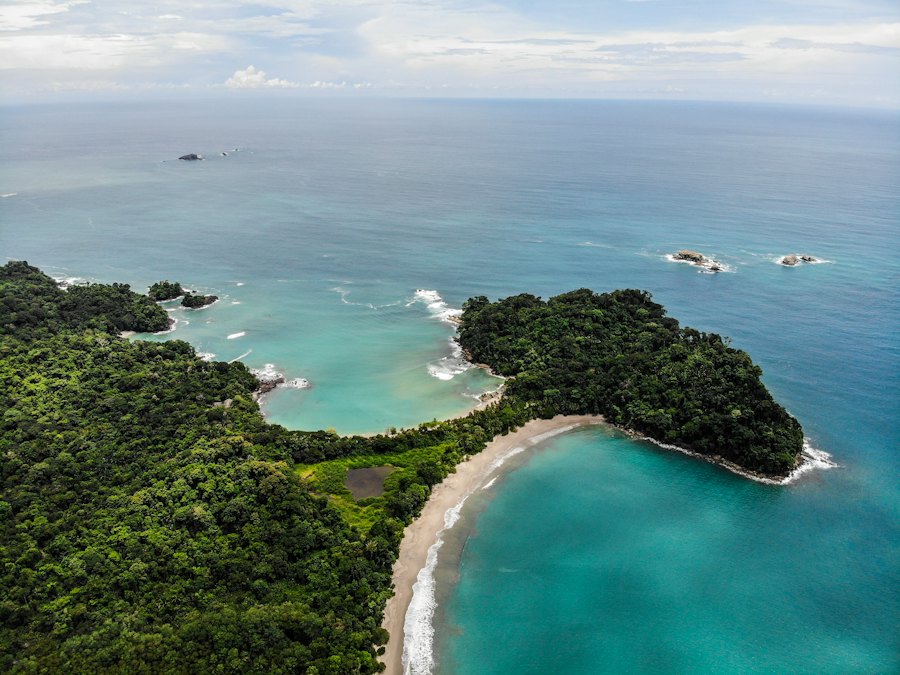
Photo: Atanas Malamov on Unsplash
View Full Gallery (3)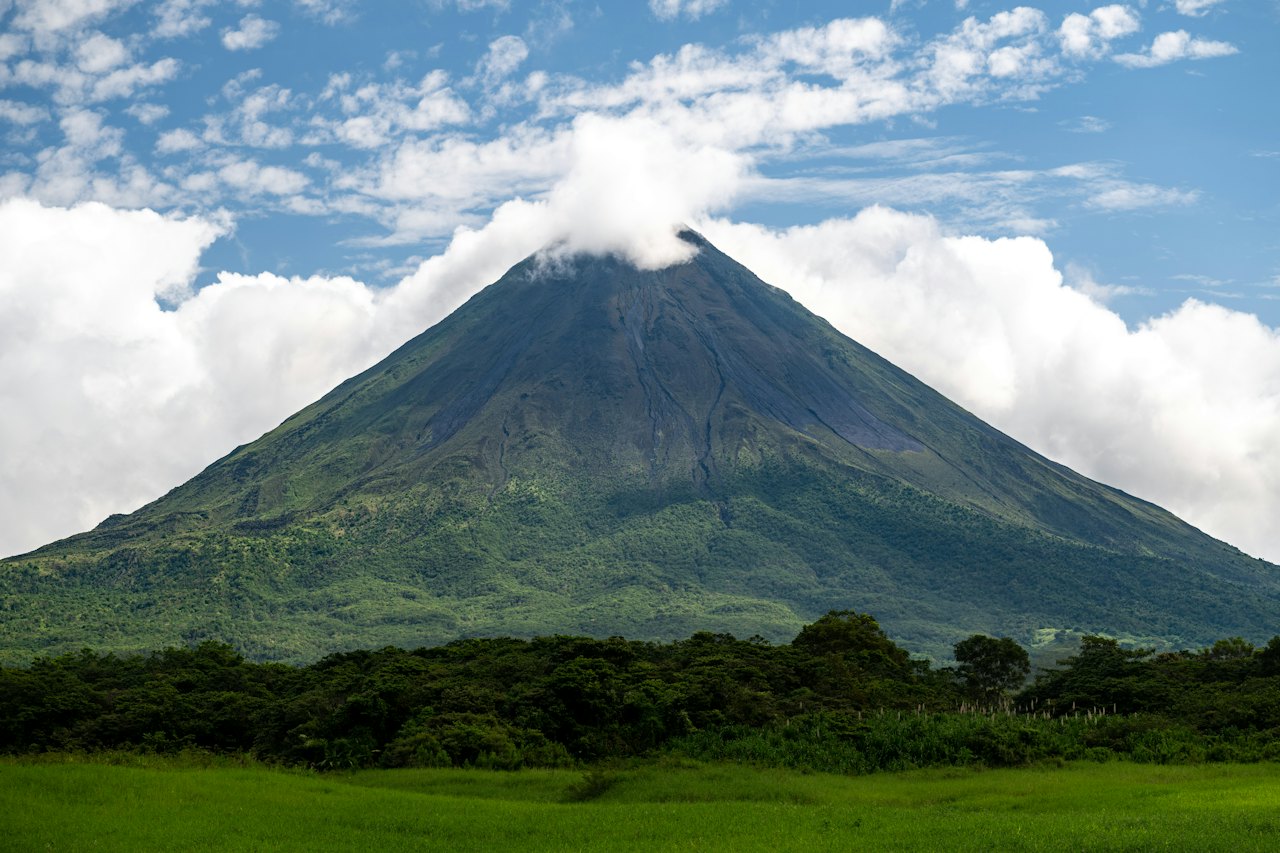

Overview
Costa Rica packs extraordinary biodiversity into a tiny country — cloud forests, active volcanoes, Pacific surf beaches, Caribbean jungle rivers, and an astonishing 5% of the world's known species. Pura vida.
Costa Rica sells itself as pura vida, and the wildlife mostly lives up to it. Sloths, toucans and howler monkeys are easier to see here than almost anywhere, especially around Arenal, Monteverde and the Osa Peninsula. It is not cheap by Central American standards, and rental-car insurance can add a surprise fee at the counter, so read the small print. Dry season from December to April is the safest bet; the green season brings lower prices and quieter trails, with rain most afternoons. Never leave valuables in a parked car, and swim only where lifeguards or locals tell you it is safe.
The cone is often cloud-capped; hot springs outside La Fortuna cost far less than the big resorts.
Monteverde's canopy bridges and guided night walks offer the best chance to see sloths, quetzals and frogs.
Manuel Antonio is the busy one. Puerto Viejo on the Caribbean side has a slower pace.
Best time
Best months for most visitors: Dec–Apr. Good weather, thinner crowds and fairer prices.
The two best compromises are November and July.
Peak season runs from December to April, with Christmas and New Year the most expensive weeks.
May to June and August to October are the wettest months, with heavy afternoon downpours, muddy trails and occasional road closures, particularly on the Pacific side in September and October.
Booking window: reserve flights and stays 2–3 months ahead for Dec–Apr, and 4–6 months ahead for peak season (Jan–Apr, Dec).
Partner links. We earn a commission at no extra cost to you; sponsors never change a ranking or safety note. How we earn money →
Weather
Current temperature loads here when your browser can reach Open-Meteo.
Weather data: Open-Meteo Historical & Live API. A single reading for the main town or area, not the whole destination.
Peak season about 30°C / 86°F; shoulder season about 29°C / 84°F.
Rain: Wet season May–Nov; dry Dec–Apr.
Dry season runs December to April; green season from May to November with afternoon rain.
Wet most of the year, with a drier spell in September and October.
Expect sunny, dry days on the Pacific side, clear volcano views and the best chance of reliable beach weather. Hotels, rental cars and popular tours book out early, and prices can run well above the rest of the year.
November is the end of the rains: forests are still green, the crowds have not yet arrived and prices sit below December levels, though some showers remain. July is the short mid-year lull known locally as the veranito, with more sunshine than June or August and noticeably quieter trails. Both months suit travellers who want decent weather without paying full dry-season rates.
Rooms and tours are often at their cheapest, and wildlife is active. The Caribbean coast follows a different pattern, so check it separately.
Weather data: Open-Meteo Historical & Live API (live reading). Typical highs and season notes are our own summaries. How we verify →
Safety
Last updated: government levels come from our editor-verified table (October 2026). When the live UK FCDO check succeeds, its exact UTC time appears in the panel below. The banner takes the most cautious of the five agencies, so a live UK warning always outranks a green entry in our table and any part-country warning shows as red. We never show a level we haven’t checked. How we verify →
Government levels: editor-verified table, October 2026 How we verify →
Five official agencies, one view. Ratings change, so each pill opens the agency’s own page for today’s level.
Tier 3/5 · Increased caution. Increased caution: petty theft, car break-ins and rip currents.
The UK FCDO, US State Department and Australian DFAT generally describe Costa Rica as welcoming, with advice focused on petty theft, car break-ins, some urban crime in San José and Limón, and dangerous rip currents. They also mention volcanic activity and road conditions. Advisories change, so read the current pages from all three before booking and again before you travel.
Our plain-English summary of what the UK FCDO, US State Department, Australian Smartraveller, Japan MOFA and South Korea MOFA publish. We quote no live ratings from memory; each button above opens the agency's own page.
Our opinion, not an official warning
Regional nuance: Advice for Costa Rica is mostly about petty and opportunistic crime, volcanic activity near Arenal and Poás, and rip currents. There are no blanket regional restrictions on tourist areas.
The concerns that are real: Opportunistic theft from parked and rental cars at beaches and trailheads is the most common problem, so leave nothing visible and never accept a stranger's offer to watch the car. Rip currents drown swimmers every year; swim near lifeguards. Watch for rental-car insurance surprises and take bank ATMs only.
What headlines overstate: Stories about crime in San José or the Caribbean ports rarely reflect where most visitors go. Lodges and national parks are low-risk. The headline risks of snakes, volcanoes and earthquakes are far smaller than rip currents and bad driving.
Written by our editors from general travel knowledge and kept apart from the agencies above. How we verify →
Costs
Backpacker
$60 (≈ €55 / £45) per person per day
What it covers: Hostel dorm or basic cabina, rice-and-beans casado at a soda, local buses between towns, one cheap park entry or free beach every few days.
Mid-Range (default)
$130 (≈ €115 / £100) per person per day
What it covers: Boutique 3-star or small eco-lodge room shared by two, sit-down meals with a drink, shared shuttles, a guided walk plus one paid park or hot-spring entry.
Boutique
$290 (≈ €260 / £230) per person per day
What it covers: Four- or five-star jungle lodge or beach resort, private driver or domestic flight, private naturalist guide, signature tasting menus and one big adventure day.
Cost source: Audited Local Lodging Taxes, Rail Tariffs & Dining Averages (our own estimates, flights excluded). How we verify →
Source: Should I Go's own estimates, October 2026, in USD per person excluding international flights; euro figures are rough conversions. A couple shares a room, so accommodation drops 25% per person. Prices move, so treat these as a planning range, not a quote.
Estimated total: $0 (≈ €0 / £0)
Estimate in USD per trip, excluding international flights. Two or more travellers share rooms, so accommodation drops 25% per person. Budget and luxury tiers are scaled from the mid-range figure.
Cost source: Audited Local Lodging Taxes, Rail Tariffs & Dining Averages (our own estimates, flights excluded). How we verify →
Where to base yourself
Arenal volcano, hot springs and waterfalls.
Cloud forest, canopy walks and coffee farms. Cool and misty.
Beaches and rainforest national park. Busiest in the dry season.
Caribbean beaches, Afro-Caribbean food and a slower pace.
Itineraries
Getting between stops: Shared shuttles and private transfers link the two; allow half a day for the winding road.
Getting between stops: Hire a driver or rent a 4x4 in the green season.
Getting between stops: Domestic flights and shuttles; Caribbean roads are rougher.
Routes and timetables change. Confirm transit times with the operator before you book.
Do and stay
Best for: First-timers
Pros: Volcano views, hot springs, waterfalls and a good choice of tours within easy reach, plus plenty of restaurants and every budget of room in a compact town.
Watch for: Busy with tour groups, and prices for activities are high. Cloud often hides the volcano, especially in the green season.
Best for: Wildlife and walking
Pros: Cool cloud forest air, night walks, hanging bridges and a chance of seeing a quetzal. Good small lodges and a relaxed, walkable village centre.
Watch for: Access roads are rough and winding, evenings are chilly and damp, and there is no beach. Allow extra driving time from other regions.
Best for: Beach and monkeys
Pros: Rainforest meets beach inside a national park, with hotels on the hillside offering ocean views. Easy road access from San José and many restaurants.
Watch for: Crowded and costly in dry season, with persistent car break-ins at beach parking. The main road is steep and slow in traffic.
These are partner links. We may earn a commission at no extra cost to you.
Trade-offs
Final verdict
Editorial opinion from Should I Go, written from general travel knowledge and reviewed periodically. Verify prices, entry rules and advisories before you book.
Typical costs and rules change; confirm with official sources before you travel.
January to April is the safest choice for dry weather, particularly on the Pacific side, but it is also the busiest and priciest. For better value with reasonable weather, try November or July. The Caribbean coast has its own pattern, with some of its best weather between February and April and again in September and October.
Yes. Costa Rica costs noticeably more than Guatemala, Nicaragua or Honduras, mainly for lodging, tours and car rental. A mid-range traveller should budget roughly $115 to $145 (≈ €105–130 / £90–115) a day per person. Eating at local sodas and using shuttles and buses are the easiest ways to cut costs. Park fees and guided tours are the other big costs, so pick a few paid highlights rather than trying to do everything.
Not always, but often it helps. Main highways are paved, but roads to Monteverde, Osa and many beach lodges are rough, with river crossings in the wet season. Check the specific route, read the rental insurance carefully, and consider a shared shuttle if you would rather not drive at all.
Get live weather, activities, travel advisories, and personalised tips for Costa Rica
Check Costa Rica Now →Have you visited Costa Rica? Was it worth it? Readers can vote: Worth Every Penny, Great in Shoulder Season Only, or Overrated / Skip It.