Berat and its living castle
Ottoman stone houses climb a hillside above the Osum river, and the castle inside the walls is still a neighbourhood. Walk it at dusk.
Berat’s Ottoman houses above the Osum river
Best months: Apr–Jun & Sep–Oct
Photo: Konpasu.de on Unsplash
Photo: Nikos Kavvadas on Unsplash
Photo: Marie Volkert on Unsplash
View Full Gallery (3)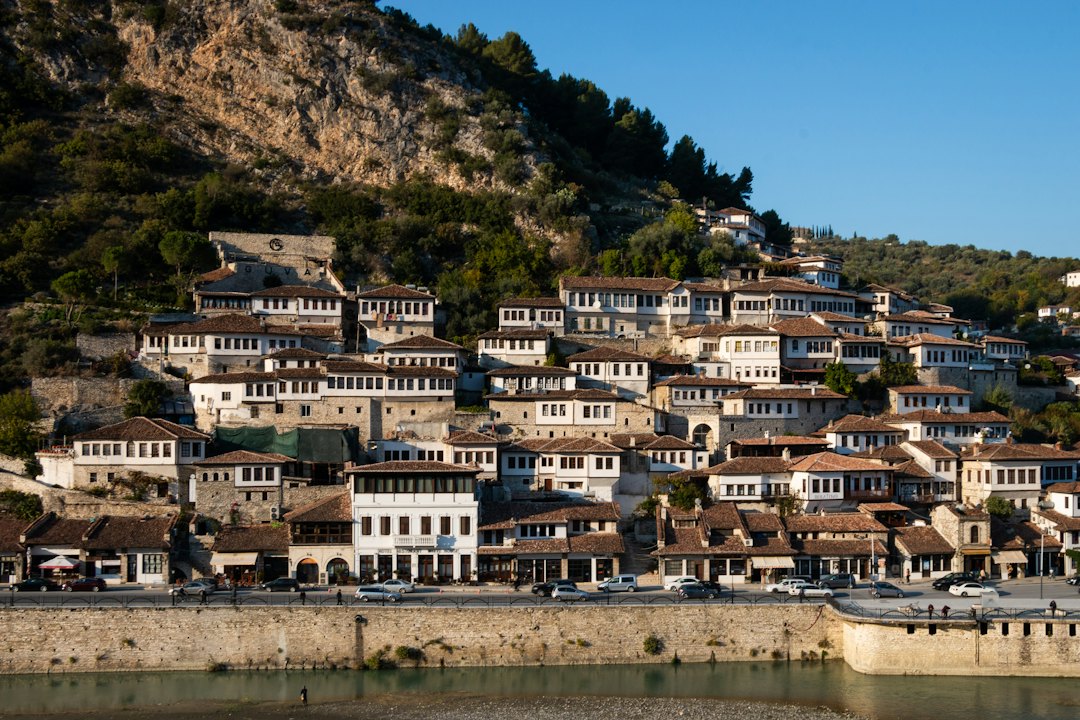
Overview
Albania is the cheapest Adriatic-and-Ionian coast in Europe and, for now, the least polished. That is the whole pitch and the whole warning. A grilled-fish lunch on the Riviera costs about what a coffee does in Dubrovnik, a guesthouse double in Berat or Gjirokastër runs about $40 to $70 (≈ €35–60 / £30–55), and the water off Himarë and Dhërmi is as clear as anything in Croatia. The trade is infrastructure: roads are rough, timetables are rumours, and the best beaches in August are no longer a secret.
The classic route runs Tirana, Berat, Gjirokastër and the coast, in about ten days. Tirana is a loud, colourful capital with Blloku’s cafés, the Bunk’Art museums in Cold War bunkers and a cable car up Mount Dajti. Berat’s Ottoman houses stack up a hillside beside a castle that people still live in; Gjirokastër’s stone town is steeper, greyer and quieter. Then the Riviera: Dhërmi, Himarë and the coves of Gjipe, ending at Ksamil and the ruins of Butrint, with a ferry to Corfu from Saranda. Furgons, the shared minibuses, run most routes and leave when full; a hire car is better for the coast and the mountains. Go in May, June or September. In July and August the Riviera is hot, crowded and priced up, and Ksamil’s beaches are mostly rented sunbeds. Tap water is not reliably safe, and driving can be erratic, so avoid long rural drives at night. The euro is widely accepted at tourist spots, but the lek is the currency.
Ottoman stone houses climb a hillside above the Osum river, and the castle inside the walls is still a neighbourhood. Walk it at dusk.
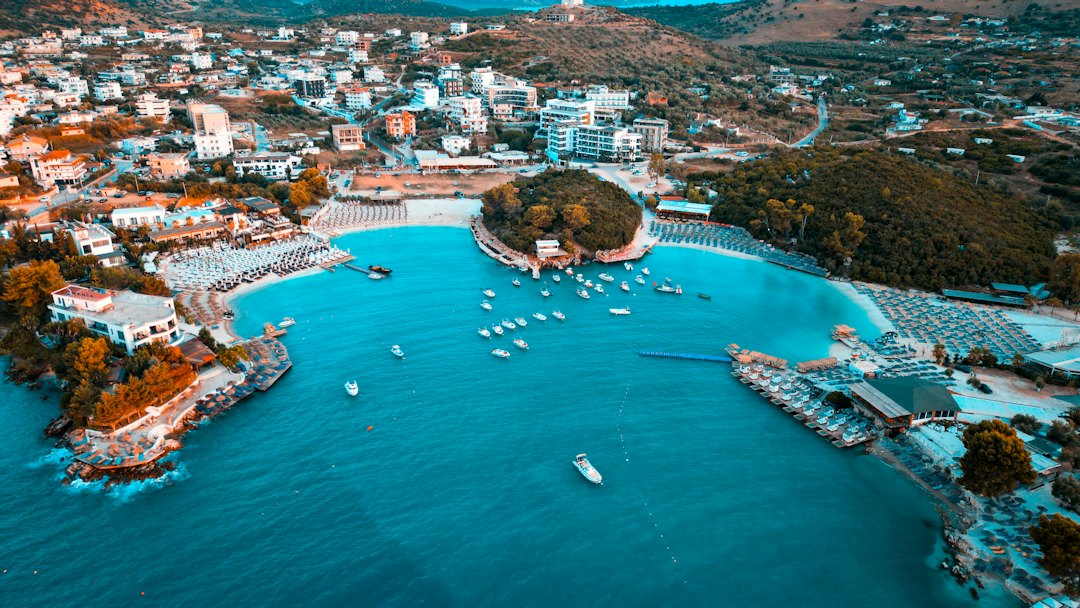
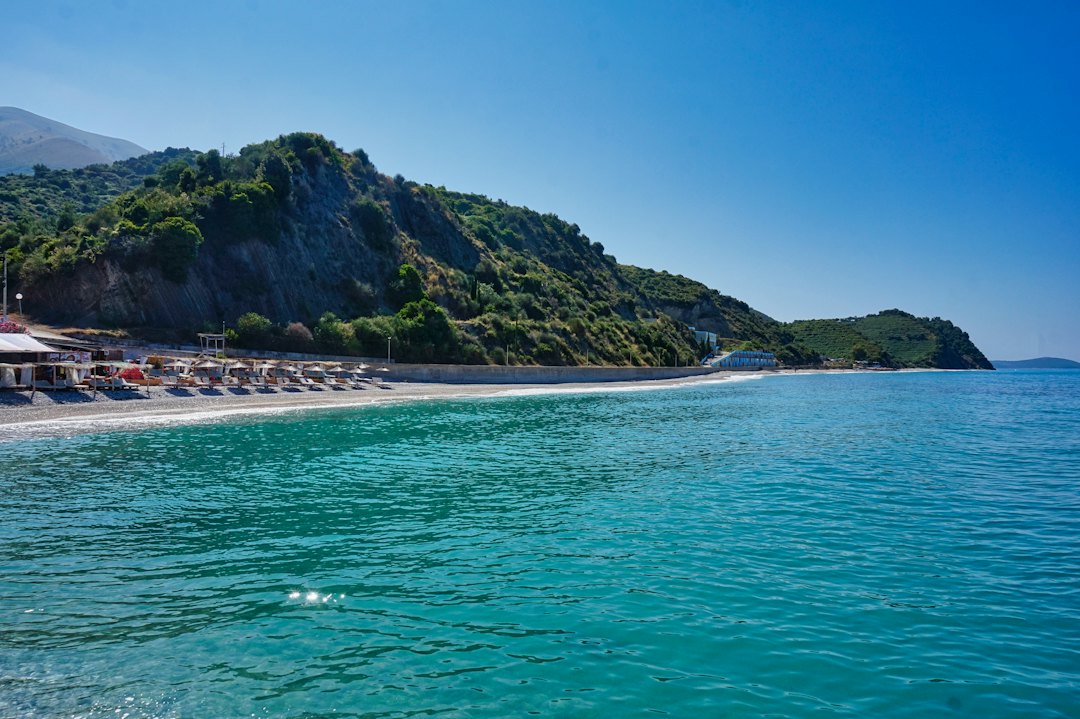
Dhërmi, Himarë and the coves of Gjipe and Livadhi along the SH8 coast road, with clear Ionian water and cheaper fish lunches than Croatia.
A steep stone town with a castle and Cold War tunnels, and a lagoon-side ruin of Greek, Roman and Byzantine layers near Saranda.
Best time
Best months for most visitors: Apr–Jun & Sep–Oct. Good weather, thinner crowds and fairer prices.
May to June and September to early October are the best months.
July and August are the busiest months on the Riviera, with highs of 30 to 35°C / 86 to 95°F, warm sea and the highest prices.
November to March is cool and wet on the coast, with highs of 10 to 15°C / 50 to 59°F and snow in the northern mountains.
Booking window: reserve flights and stays 2–3 months ahead for Apr–Jun & Sep–Oct, and 4–6 months ahead for peak season (Jul–Aug).
Partner links. We earn a commission at no extra cost to you; sponsors never change a ranking or safety note. How we earn money →
Weather
Current temperature loads here when your browser can reach Open-Meteo.
Weather data: Open-Meteo Historical & Live API. A single reading for the main town or area, not the whole destination.
Peak season about 31°C / 88°F; shoulder season about 21°C / 70°F.
Rain: Low in summer; wetter in winter.
Highs of 30 to 35°C / 86 to 95°F inland and on the coast, with almost no rain and a warm sea of about 24 to 26°C / 75 to 79°F. Wildfires are possible in dry years.
Highs of about 10 to 14°C / 50 to 57°F on the coast, with frequent rain, and snow in the northern mountains. Many coastal hotels close.
Ksamil and Himarë are crowded, and Diaspora visitors fill coastal hotels in August. Book rooms well ahead.
Highs of 22 to 30°C / 72 to 86°F, warm sea from June, fewer people and lower prices. Late September is a sweet spot for the coast, and May is best for the mountains and the cities.
Many beach hotels close. Tirana, Berat and Gjirokastër still work as city-and-culture stops, but hiking in the Accursed Mountains is closed for the season.
Weather data: Open-Meteo Historical & Live API (live reading). Typical highs and season notes are our own summaries. How we verify →
Safety
Last updated: government levels come from our editor-verified table (October 2026). When the live UK FCDO check succeeds, its exact UTC time appears in the panel below. The banner takes the most cautious of the five agencies, so a live UK warning always outranks a green entry in our table and any part-country warning shows as red. We never show a level we haven’t checked. How we verify →
Government levels: editor-verified table, October 2026 How we verify →
Five official agencies, one view. Ratings change, so each pill opens the agency’s own page for today’s level.
Tier 4/5 · Standard caution. Normal precautions: erratic driving, poor rural roads and petty theft in the cities.
The UK FCDO, US State Department, Australian DFAT and other agencies describe Albania as a destination where normal precautions apply. Their advice usually mentions petty theft in the cities, poor road conditions and erratic driving, and the need to check entry rules. Advice changes, so read each agency’s current Albania page before you book.
Our plain-English summary of what the UK FCDO, US State Department, Australian Smartraveller, Japan MOFA and South Korea MOFA publish. We quote no live ratings from memory; each button above opens the agency's own page.
Our opinion, not an official warning
Regional nuance: Advice for Albania is routine: petty theft in the cities, poor road conditions and erratic driving, and the need to check entry rules. Tourist areas are generally calm, but plan rural drives in daylight.
The concerns that are real: Road safety is the main issue: rough surfaces, overtaking on blind bends and few street lights, so avoid long drives after dark. Petty theft can happen in Tirana and at the beach, so keep valuables out of sight. Unmarked taxis and some transport touts overcharge, so agree the price first. In summer, wildfires can affect hills and the coast, and stray dogs are common in rural areas.
What headlines overstate: Headlines about politics, floods or isolated crime usually describe one place and one day, not the whole country. Check local conditions before long mountain drives, since landslides and flooding can close roads in winter and spring.
Written by our editors from general travel knowledge and kept apart from the agencies above. How we verify →
Costs
Backpacker
$30 (≈ €25 / £25) per person per day
What it covers: Hostel dorm or simple guesthouse room, byrek and grilled-meat meals, furgons and buses, and cheap museum entry.
Mid-Range (default)
$70 (≈ €60 / £55) per person per day
What it covers: Guesthouse or small hotel room shared by two, restaurant lunch and dinner with a drink, furgons and the odd taxi, entry fees and a boat trip.
Boutique
$150 (≈ €135 / £120) per person per day
What it covers: Boutique hotel in Berat or the Riviera, a hire car or driver, seafood dinners and private guides for the main sights.
Cost source: Audited Local Lodging Taxes, Rail Tariffs & Dining Averages (our own estimates, flights excluded). How we verify →
Source: Should I Go's own estimates, October 2026, in USD per person excluding international flights; euro figures are rough conversions. A couple shares a room, so accommodation drops 25% per person. Prices move, so treat these as a planning range, not a quote.
Estimated total: $0 (≈ €0 / £0)
Estimate in USD per trip, excluding international flights. Two or more travellers share rooms, so accommodation drops 25% per person. Budget and luxury tiers are scaled from the mid-range figure.
Cost source: Audited Local Lodging Taxes, Rail Tariffs & Dining Averages (our own estimates, flights excluded). How we verify →
Where to base yourself
The colourful capital, Bunk’Art, Blloku’s cafés and Mount Dajti, with the port and Roman amphitheatre at Durrës a short bus ride away.
The two UNESCO-listed Ottoman towns, with castles, stone houses and the best guesthouses in the country.
Dhërmi, Himarë, Ksamil and Saranda, with the ferry to Corfu. The beach end of the trip.
Rozafa Castle, Komani Lake and the Accursed Mountains. Slower to reach, and open only in summer.
Itineraries
Getting between stops: Furgons run Tirana to Berat in about two hours and onward to Gjirokastër and the coast; ask your guesthouse for the day’s departure. A hire car saves time on the Riviera.
Getting between stops: A car is the easiest way along the SH8 coast road. Furgons run Vlorë to Saranda but are infrequent and stop early. The Saranda to Corfu ferry takes about 30 minutes to an hour.
Getting between stops: Shkodër is about two hours north of Tirana by furgon; Theth is about three hours from Shkodër by minibus or 4x4. The Komani Lake ferry runs in season; check times with your guesthouse.
Routes and timetables change. Confirm transit times with the operator before you book.
Do and stay
Best for: Nightlife and food
Pros: Walkable to Skanderbeg Square, Blloku’s bars and restaurants and the Bunk’Art museums, with the airport bus and national bus connections close.
Watch for: Traffic and noise, and some hotels sit by busy roads. The cheapest rooms are further out.
Best for: History and views
Pros: Family-run guesthouses in Ottoman houses on the hillside, with castle and river views. Everything is within a short walk.
Watch for: Steep cobbled lanes with luggage; small rooms; limited late-night choices.
Best for: Beaches and sea views
Pros: Clear water, coves and tavernas along the SH8 coast road, with Gjipe and Livadhi beaches nearby. Prices are lower than Ksamil.
Watch for: You need a car or the occasional bus; August is packed and prices double, and some beaches are lined with rented sunbeds.
These are partner links. We may earn a commission at no extra cost to you.
Trade-offs
Final verdict
Editorial opinion from Should I Go, written from general travel knowledge and reviewed periodically. Verify prices, entry rules and advisories before you book.
Typical costs and rules change; confirm with official sources before you travel.
Ten days is about right for the classic route: two in Tirana, two in Berat, two in Gjirokastër and four on the Riviera, with Butrint and Saranda at the end. A week works if you cut one stop. Add three or four days if you want the Valbona–Theth hike in the north.
Yes, by European standards, but prices have risen and the Riviera in July and August costs much more than the rest of the year. A mid-range day outside peak season is about $60 to $80 (≈ €55–70 / £45–65) per person, and cheaper if you stay in guesthouses and eat at local places.
Not for Tirana, Berat and Gjirokastër, which you can reach by furgon or bus. A car is useful for the Riviera coves, the Llogara Pass and the northern mountains. Drive carefully, avoid night driving on rural roads, and take a small car, since many roads are narrow.
Get live weather, activities, travel advisories, and personalised tips for Albania
Check Albania Now →Have you visited Albania? Was it worth it? Readers can vote: Worth Every Penny, Great in Shoulder Season Only, or Overrated / Skip It.