The Acropolis and the New Acropolis Museum
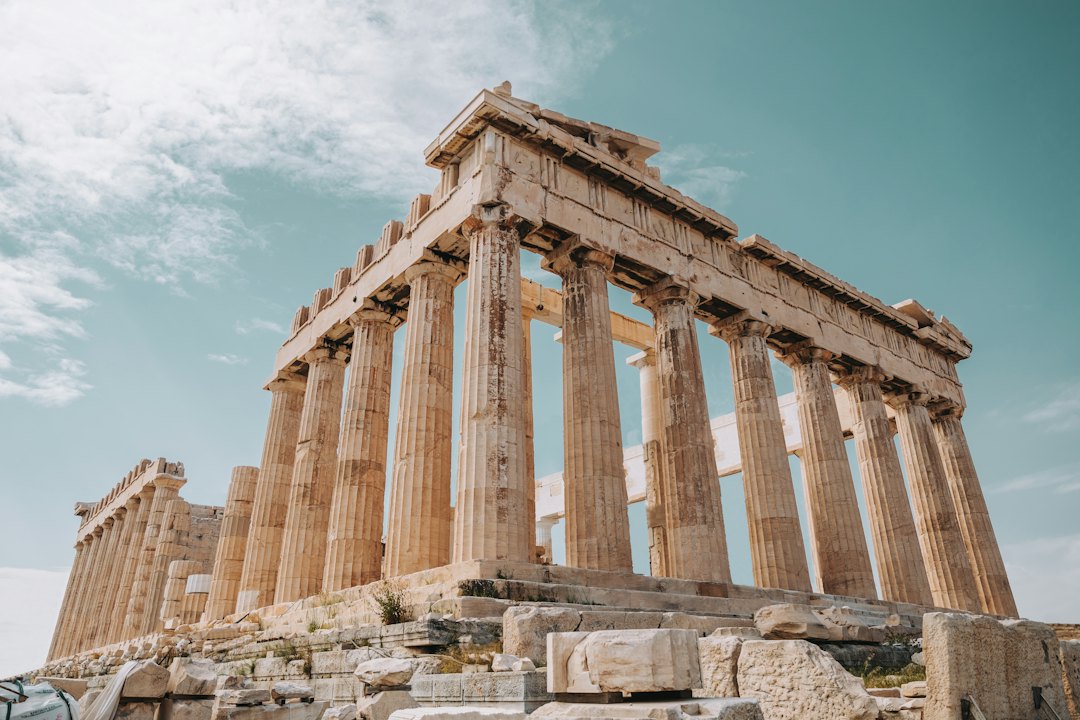
The Parthenon, Erechtheion and the Propylaea on a timed ticket, then the museum at the foot of the rock, which has the best context. Go first thing and book ahead in season.
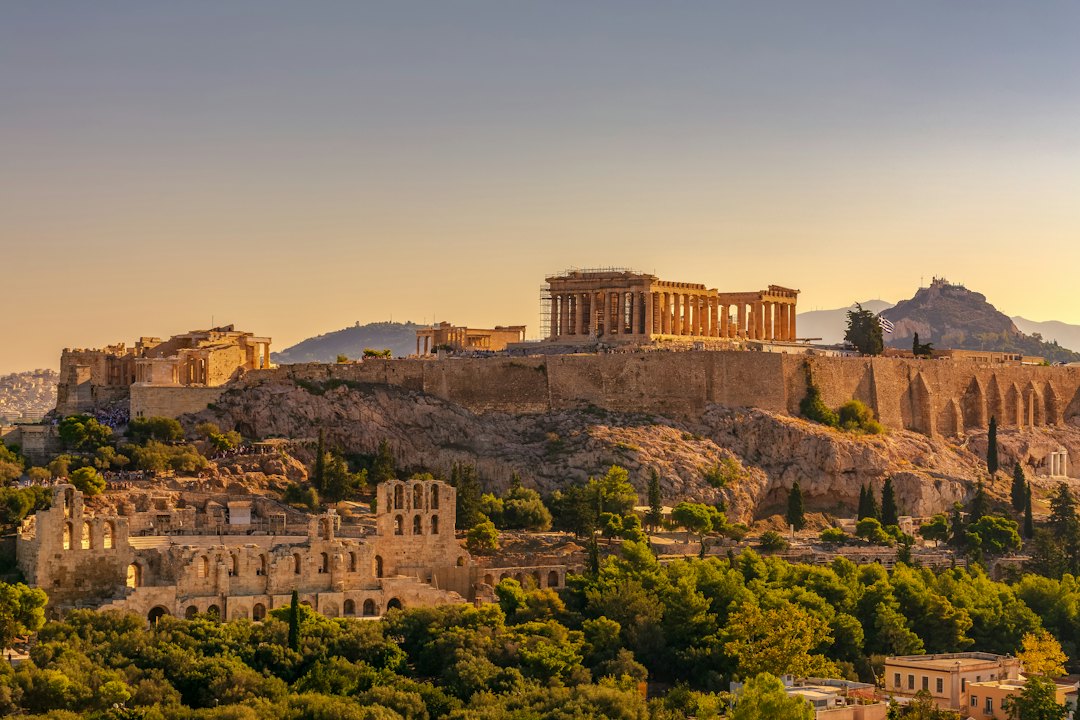
The Acropolis at golden hour, seen from Filopappou Hill
Best months: Apr–Jun & Sep–Oct
Photo: Constantinos Kollias on Unsplash
Photo: Spencer Davis on Unsplash
Overview
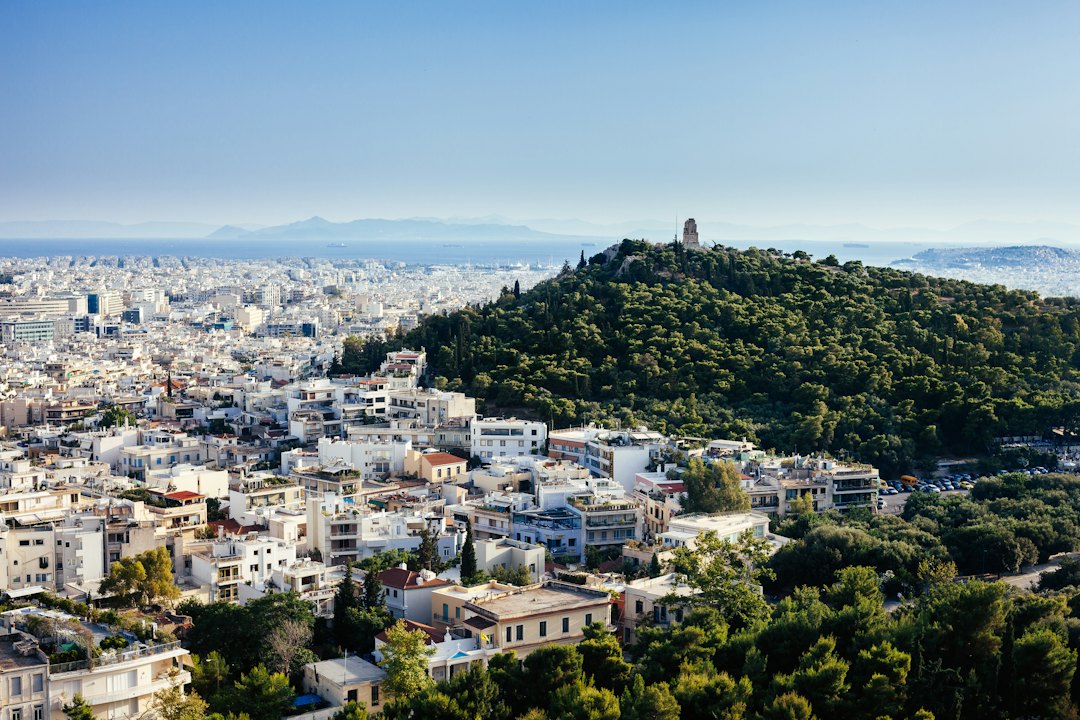
Athens is the city people fly into on the way to somewhere else, and that habit undersells it. The Acropolis is every bit as good as the postcards say, but the more lasting surprise is how ordinary and lived-in the rest is: concrete apartment blocks, rooftop bars facing the Parthenon, a souvlaki counter on almost every corner and a metro that runs under the ancient Agora. Give it three nights, not one, and spend the first morning on the rock before the heat arrives.
The practical version: the Acropolis now runs on timed entry slots with a daily cap, so book online ahead in the main season. A full ticket is about $34 (€30; ≈ £25), and the New Acropolis Museum at its foot is about $17 (€15; ≈ £13) and the better explanation of what you have just walked past. From Athens airport the metro or the X95 bus reaches Syntagma in 40 to 60 minutes. Plaka and Monastiraki are the touristy core and the easiest to walk; Koukaki, Thissio and Psyri are better for sleeping and eating. A gyros pita costs about $3.35–4.50 (€3 to €4; ≈ £2.65–3.56), a mid-range double room about $110–190 (€100 to €170; ≈ £85–150) a night in summer. July and August are hot, often 35°C / 95°F or more, and the Acropolis can close at midday during heatwaves, so April to early June and September to October are the sensible months. Treat Exarchia and Omonia with some care after dark, and watch your pockets on the airport metro line and around Monastiraki.
The Parthenon, Erechtheion and the Propylaea on a timed ticket, then the museum at the foot of the rock, which has the best context. Go first thing and book ahead in season.
Walk through the old marketplace and see the best-preserved temple in Greece. It is quieter than the Acropolis, and the Stoa of Attalos houses the museum.
Evenings in Plaka, Psyri and Thissio, with meze, grilled fish and wine, often at lower prices than the Western European equivalent.
Best time
Best months for most visitors: Apr–Jun & Sep–Oct. Good weather, thinner crowds and fairer prices.
April to early June and September to October are the best months.
July and August are the busiest and hottest months, with highs of 33 to 36°C / 91 to 97°F, long evenings and the highest room rates.
November to March is mild and often damp, with highs of 13 to 19°C / 55 to 66°F and the odd cold spell.
Booking window: reserve flights and stays 2–3 months ahead for Apr–Jun & Sep–Oct, and 4–6 months ahead for peak season (Jun–Aug).
Partner links. We earn a commission at no extra cost to you; sponsors never change a ranking or safety note. How we earn money →
Weather
Current temperature loads here when your browser can reach Open-Meteo.
Weather data: Open-Meteo Historical & Live API. A single reading for the main town or area, not the whole destination.
Peak season about 34°C / 93°F; shoulder season about 22°C / 72°F.
Rain: Very low in summer; wetter from November to February.
Highs of 33 to 36°C / 91 to 97°F, with heatwaves pushing 40°C / 104°F or more. The Acropolis can close from midday in extreme heat, and wildfires can affect the outskirts.
Highs of about 13 to 16°C / 55 to 61°F, with rain on some days and the odd cold snap. Sites are quiet, and the light is clear and low.
Cruise and coach groups crowd the Acropolis in the morning, and heatwaves can close it from midday. Book hotels and Acropolis tickets early and plan the day around the cool hours.
Highs run from 20 to 29°C / 68 to 84°F, spring wildflowers cover the hills, and the sea is still warm in early autumn. Easter is a special time but busy and booked; check the Orthodox calendar, which often falls on a different weekend from Western Easter.
The sites are quiet, hotel rates drop, and you can walk straight into the museums. Daylight is short in December, and some island ferries run reduced timetables.
Weather data: Open-Meteo Historical & Live API (live reading). Typical highs and season notes are our own summaries. How we verify →
Safety
Last updated: government levels come from our editor-verified table (October 2026). When the live UK FCDO check succeeds, its exact UTC time appears in the panel below. The banner takes the most cautious of the five agencies, so a live UK warning always outranks a green entry in our table and any part-country warning shows as red. We never show a level we haven’t checked. How we verify →
Government levels: editor-verified table, October 2026 How we verify →
Five official agencies, one view. Ratings change, so each pill opens the agency’s own page for today’s level.
Tier 4/5 · Standard caution. Normal precautions: pickpockets on the metro and in Monastiraki, care around Exarchia and Omonia at night, summer wildfires and occasional strikes.
The UK FCDO, US State Department, Australian DFAT and other agencies describe Greece as a low-risk destination where normal precautions apply. Their advice usually mentions petty theft in busy areas, summer wildfires, occasional strikes and demonstrations, and the need to check entry rules. Advice changes, so read each agency’s current Greece page before you book.
Our plain-English summary of what the UK FCDO, US State Department, Australian Smartraveller, Japan MOFA and South Korea MOFA publish. We quote no live ratings from memory; each button above opens the agency's own page.
Our opinion, not an official warning
Regional nuance: Advice for Greece is routine: petty crime in busy areas, summer wildfires and occasional strikes or demonstrations in the capital. Athens itself is straightforward for most visitors; use common sense late at night around Exarchia and Omonia.
The concerns that are real: Pickpockets work the airport metro line, crowded carriages and the streets around Monastiraki and Omonia. Bar touts in Plaka and Syntagma can steer visitors to venues with inflated bills, so check the menu prices first. Exarchia, with its history of protests and some late-night tension, is fine in the day, but we would not wander around the main square alone late at night, and the streets around Omonia need the same care. In summer, wildfires can affect the outskirts, so follow local advice.
What headlines overstate: Strikes and demonstrations, which often centre on Syntagma Square, are usually announced in advance and are peaceful, but they can close metro lines or block roads for a day. Check local news for planned strikes if you have a flight or ferry to catch.
Written by our editors from general travel knowledge and kept apart from the agencies above. How we verify →
Costs
Backpacker
$60 (≈ €55 / £45) per person per day
What it covers: Hostel dorm or budget guesthouse, souvlaki and bakery meals, the metro, free and discounted sites, and one paid ticket a day at most.
Mid-Range (default)
$135 (≈ €120 / £105) per person per day
What it covers: Three-star hotel or apartment shared by two, a taverna lunch and dinner with wine, the metro and the odd taxi, and one or two paid sites or a museum each day.
Boutique
$300 (≈ €270 / £240) per person per day
What it covers: Boutique hotel with an Acropolis view in Plaka or Koukaki, tasting-menu dinners, private guides for the main sites and taxis or private transfers.
Cost source: Audited Local Lodging Taxes, Rail Tariffs & Dining Averages (our own estimates, flights excluded). How we verify →
Source: Should I Go's own estimates, October 2026, in USD per person excluding international flights; euro figures are rough conversions. A couple shares a room, so accommodation drops 25% per person. Prices move, so treat these as a planning range, not a quote.
Estimated total: $0 (≈ €0 / £0)
Estimate in USD per trip, excluding international flights. Two or more travellers share rooms, so accommodation drops 25% per person. Budget and luxury tiers are scaled from the mid-range figure.
Cost source: Audited Local Lodging Taxes, Rail Tariffs & Dining Averages (our own estimates, flights excluded). How we verify →
Where to base yourself
The ancient sites, the old lanes and the Monastiraki flea market. The core of a first visit, and the busiest part of the city.
Residential and local, with good tavernas, cafés and rooftop bars within a ten-minute walk of the rock.
Smart cafés, boutiques, the Benaki and Cycladic museums, and the funicular up Lycabettus Hill for sunset.
Ferry port, seafood by the harbour and the tram line to the beach clubs of Glyfada. A day or a half-day outside the centre.
Itineraries
Getting between stops: Mostly on foot between Acropolis, Plaka and Monastiraki. Use the metro for the National Archaeological Museum, about 20 minutes from Syntagma.
Getting between stops: Metro lines 1, 2 and 3 cover the centre; a 90-minute ticket costs about $1.35 (€1.20; ≈ £1.07). Lycabettus funicular runs from Kolonaki; the stadium and Zeus temple are a 15-minute walk from Syntagma.
Getting between stops: The Sounion bus runs along the coast, about 1 hour 45 minutes each way. Delphi buses leave from the Liosion terminal in about 2.5 to 3 hours. Aegina ferries from Piraeus take 40 minutes by fast boat or 70 minutes on the slower one.
Routes and timetables change. Confirm transit times with the operator before you book.
Do and stay
Best for: First-timers
Pros: Everything is on foot: the Acropolis, the Agora, the Monastiraki flea market and the main metro interchange. Rooftop bars face the Parthenon.
Watch for: The most touristy area, with overpriced tavernas, touts on the main lanes and noise from late-night bars around Monastiraki.
Best for: Quiet nights and local food
Pros: A residential neighbourhood just south of the Acropolis, with good tavernas, cafés and a calm feel after dark. The New Acropolis Museum is a short walk and the Acropoli metro stop is close.
Watch for: Fewer sights on the doorstep, and some streets climb steeply. Rooms are often small apartments rather than classic hotels.
Best for: Nightlife and food
Pros: Thissio has quiet pedestrian streets by the Agora and Acropolis views, and Psyri is full of meze bars, bakeries and street art. Both are walkable to the main sights.
Watch for: Psyri is noisy at weekends, and the streets between Psyri and Omonia can feel rough late at night.
These are partner links. We may earn a commission at no extra cost to you.
Trade-offs
Final verdict
Editorial opinion from Should I Go, written from general travel knowledge and reviewed periodically. Verify prices, entry rules and advisories before you book.
Typical costs and rules change; confirm with official sources before you travel.
Three nights is the right amount. One day for the Acropolis, the New Acropolis Museum and the Agora, one for the National Archaeological Museum and neighbourhoods such as Psyri, Thissio and Koukaki, and one for a day trip to Cape Sounion, Delphi or Aegina. Two nights works if you only want the highlights.
Yes, but be realistic about the heat. July and August are often 35°C / 95°F or more and the Acropolis can close at midday. Go to the sites at opening time, spend the middle of the day in a museum or an air-conditioned café, and save the evening for rooftop dinners. If you can choose, April to early June and September to October are far more comfortable.
In the main season, yes. The Acropolis now uses timed entry slots with a daily visitor cap, and the best morning slots sell out. Book on the official Greek ticket site, take the first slot of the day, and check current prices before you go (the combined ticket was dropped in 2025).
Get live weather, activities, travel advisories, and personalised tips for Athens
Check Athens Now →Have you visited Athens? Was it worth it? Readers can vote: Worth Every Penny, Great in Shoulder Season Only, or Overrated / Skip It.