The canal rings
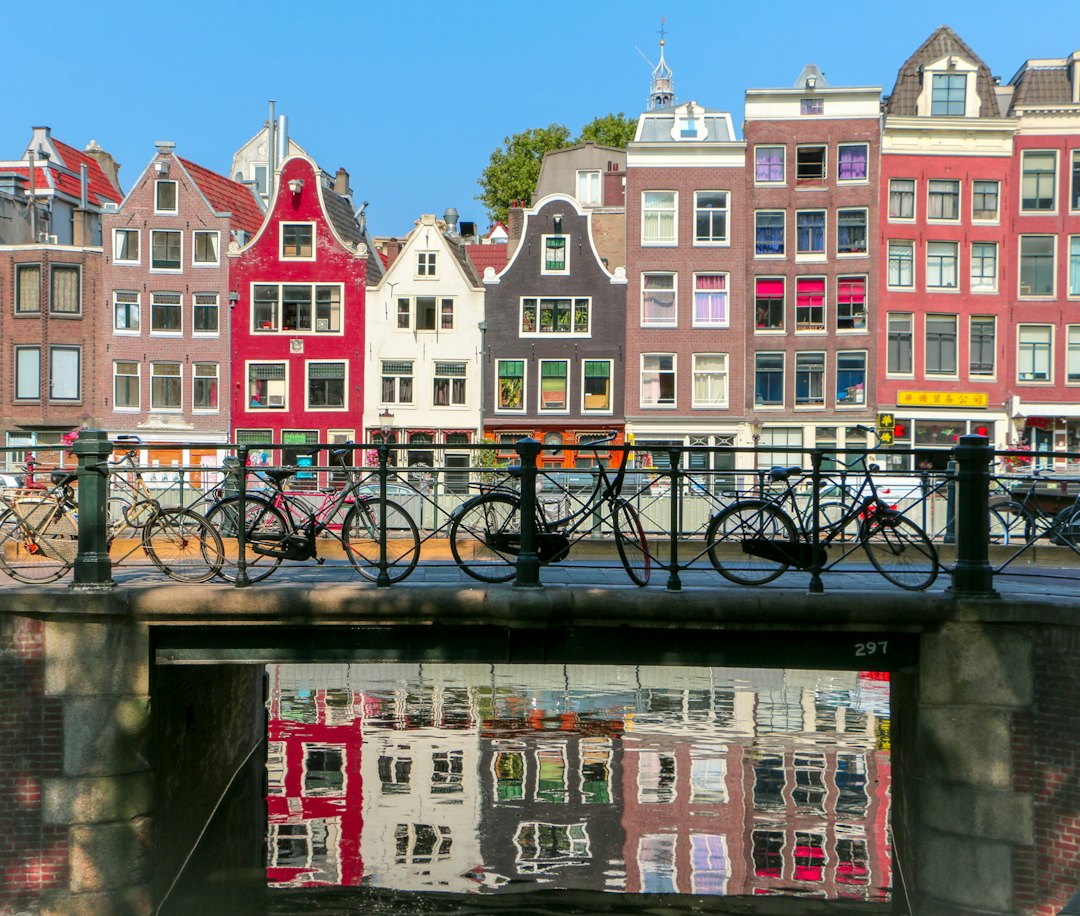
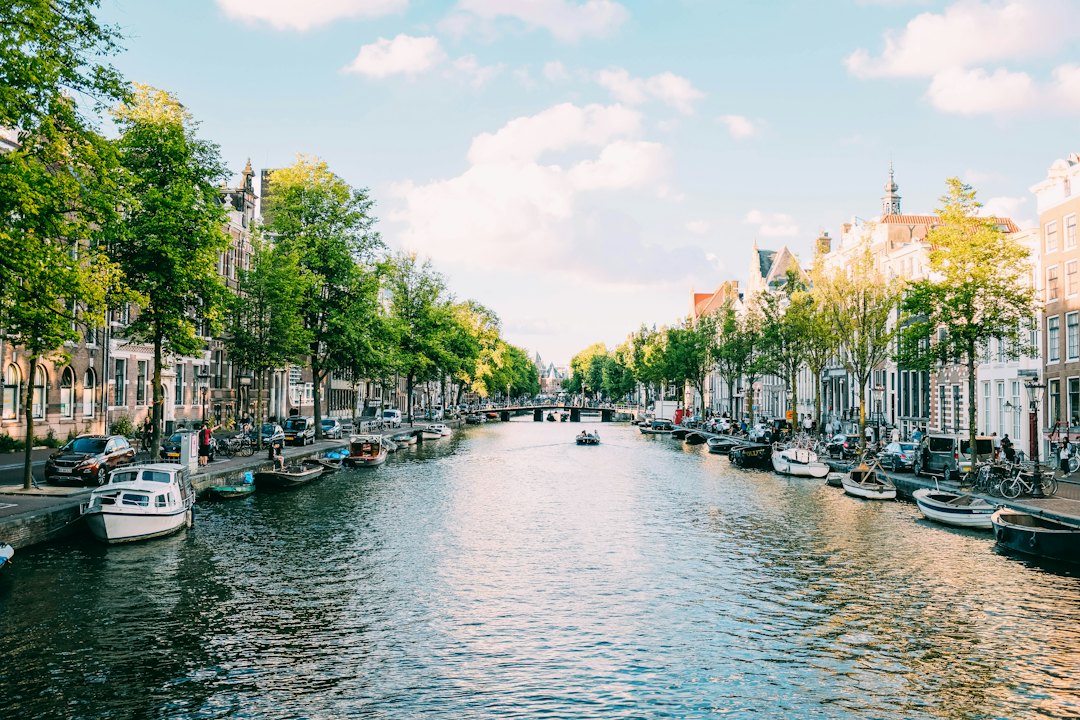
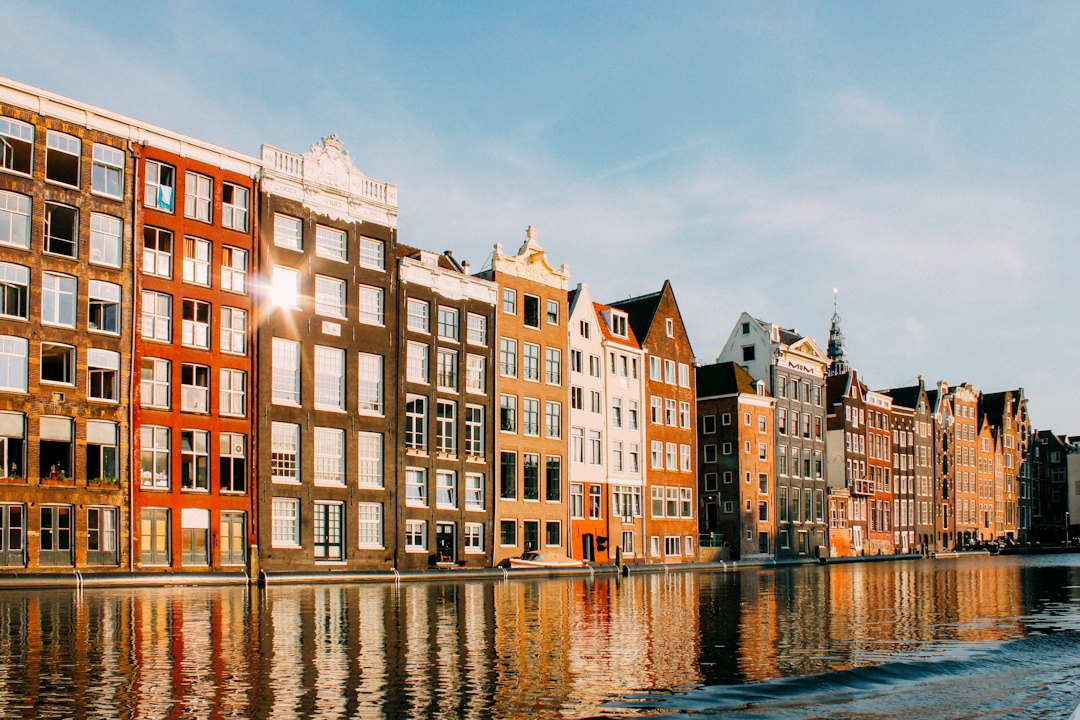
Walk the horseshoe of Herengracht, Keizersgracht and Prinsengracht in early morning light, then cross a few bridges for the postcard views the day-trippers miss.
Photo: Adrien Olichon on Unsplash
Overview
Amsterdam looks like a postcard and works like a bicycle shop. The canal rings, dug in the 17th century and on the UNESCO World Heritage list, are about ninety minutes of walking from end to end, and for most of that time something is trying to run you over: a bike, a tram, a delivery cart. The bike lane is a road, not a pavement. Stand in it and you will learn the Dutch for “move”.
The honest case is compactness. The Rijksmuseum, the Van Gogh Museum and the canal houses sit inside a few kilometres, trains reach Schiphol Airport in about 15 minutes, and Haarlem and Utrecht are short rail hops away. The honest cost is the bill. Hotel rooms in the centre average €180 or more a night (about $200 (≈ €180 / £155)), and the museums that matter run on timed tickets, so the spontaneous traveller pays twice, once in money and once in lost slots. Book museums when you book flights. April and May bring tulip season and highs near 16°C / 61°F (61°F); June to August brings crowds and about 22°C / 72°F (72°F); November to February is damp, dark and cheaper. Spend your mornings in the Jordaan or De Pijp, take a tram instead of a taxi, and use the city as a base rather than a checklist. Prices and rules are approximate and written from general knowledge, so check them before you go.
Walk the horseshoe of Herengracht, Keizersgracht and Prinsengracht in early morning light, then cross a few bridges for the postcard views the day-trippers miss.
Two of the city’s great collections sit within a short walk of each other. Book timed tickets ahead and pair them with a walk around Museumplein.
Spend a morning in the Jordaan’s lanes and an afternoon at the Albert Cuyp market in De Pijp. These are the areas where Amsterdam still feels like somewhere people live.
Best time
Best months for most visitors: Apr–May. Good weather, thinner crowds and fairer prices.
April and May are the sweet spot, with highs near 16°C / 61°F (61°F), spring bulb season and softer crowds.
June to August is the busiest stretch, with highs around 22°C / 72°F (72°F), long evenings and tour groups on every bridge.
November to February is damp and dark, with highs of roughly 5 to 7°C / 41 to 45°F (41–45°F), but rooms are cheaper and the museums are calmer.
Booking window: reserve flights and stays 2–3 months ahead for Apr–May, and 4–6 months ahead for peak season (Jun–Aug).
Partner links. We earn a commission at no extra cost to you; sponsors never change a ranking or safety note. How we earn money →
Weather
Current temperature loads here when your browser can reach Open-Meteo.
Weather data: Open-Meteo Historical & Live API. A single reading for the main town or area, not the whole destination.
Peak season about 22°C / 72°F; shoulder season about 16°C / 61°F.
Rain: Moderate all year; showers are common in every season, with the wettest weeks in autumn.
Highs around 16°C / 61°F (61°F), changeable skies and the occasional shower. April and May bring bulbs and gentler crowds.
Summer highs are around 22°C / 72°F (72°F) with long evenings; winter is damp and dark, with highs of roughly 5 to 7°C / 41 to 45°F (41–45°F).
Hotel prices peak and the best museum slots disappear weeks ahead. Expect crowded canalside streets from mid-morning; go early.
September and October are similar, with changeable weather. Pack a waterproof for any month.
The light is short, so plan museum days and long cafe afternoons.
Weather data: Open-Meteo Historical & Live API (live reading). Typical highs and season notes are our own summaries. How we verify →
Safety
Last updated: government levels come from our editor-verified table (October 2026). When the live UK FCDO check succeeds, its exact UTC time appears in the panel below. The banner takes the most cautious of the five agencies, so a live UK warning always outranks a green entry in our table and any part-country warning shows as red. We never show a level we haven’t checked. How we verify →
Government levels: editor-verified table, October 2026 How we verify →
Five official agencies, one view. Ratings change, so each pill opens the agency’s own page for today’s level.
Tier 4/5 · Standard caution. Normal precautions: pickpockets, fake street dealers and unlicensed taxis, plus bike and tram traffic.
The UK FCDO, US State Department and Australian DFAT publish pages for the Netherlands; the advice for visitors generally concerns petty crime in crowded tourist areas and general European risks such as terrorism and strikes. Read the current pages before you book, and again before you fly, because wording and levels change.
Our plain-English summary of what the UK FCDO, US State Department, Australian Smartraveller, Japan MOFA and South Korea MOFA publish. We quote no live ratings from memory; each button above opens the agency's own page.
Our opinion, not an official warning
Regional nuance: The Netherlands’ official advice, from the UK FCDO, US State Department and Australian Smartraveller, usually combines petty-crime warnings for crowded tourist areas with a general European terrorism notice. The street-level nuance is drug dealers in the city centre and bike and tram traffic. Check each agency’s current page before you travel.
The concerns that are real: Pickpocketing on trams, at Centraal Station and in the busiest streets is the everyday risk. Fake street dealers selling drugs, and unlicensed taxis at the station, are the standard tourist traps. Bikes are the other hazard: cyclists move fast and trams cannot stop, so watch the tracks and the red lanes.
What headlines overstate: Headlines about nightlife, drugs and overtourism describe real tensions in the city centre, but they say little about an ordinary visit. Walk away from street dealers, keep bags zipped and the city will mostly be a walkable, orderly place.
Written by our editors from general travel knowledge and kept apart from the agencies above. How we verify →
Costs
Backpacker
$80 (≈ €70 / £65) per person per day
What it covers: A hostel dorm or a budget room outside the centre, supermarket meals, a city transit card, and one paid museum.
Mid-Range (default)
$175 (≈ €155 / £140) per person per day
What it covers: A three-star hotel room shared by two, cafe lunch and a restaurant dinner, a museum or two, and trams and trains.
Boutique
$390 (≈ €350 / £310) per person per day
What it covers: A canal-house hotel, fine dining, private canal cruise or tickets in advance, and taxis when you want them.
Cost source: Audited Local Lodging Taxes, Rail Tariffs & Dining Averages (our own estimates, flights excluded). How we verify →
Source: Should I Go's own estimates, October 2026, in USD per person excluding international flights; euro figures are rough conversions. A couple shares a room, so accommodation drops 25% per person. Prices move, so treat these as a planning range, not a quote.
Estimated total: $0 (≈ €0 / £0)
Estimate in USD per trip, excluding international flights. Two or more travellers share rooms, so accommodation drops 25% per person. Budget and luxury tiers are scaled from the mid-range figure.
Cost source: Audited Local Lodging Taxes, Rail Tariffs & Dining Averages (our own estimates, flights excluded). How we verify →
Where to base yourself
The canal rings, Dam Square and the old streets: the classic walk, and the busiest.
The Rijksmuseum, the Van Gogh Museum and the city’s big park.
Small shops, cafes and residential canals, close to the centre.
The Albert Cuyp market, cafes and a more local mix of restaurants.
Itineraries
Getting between stops: Tram and walking cover the centre. Use a contactless bank card on trams and trains, and tap out as well as in.
Getting between stops: Haarlem and Utrecht are short train hops from the centre; check the current timetable on the day.
Getting between stops: The Schiphol–Centraal train takes about 15 minutes. Book museum slots early and stay in Oud-West if you want better value.
Routes and timetables change. Confirm transit times with the operator before you book.
Do and stay
Best for: First-timers who want to walk
Pros: Narrow streets, small canals and cafes, within walking distance of the main sights.
Watch for: Pricey, and the quiet lanes can be loud on weekend nights.
Best for: Food and local life
Pros: The Albert Cuyp market, bars and a lively neighbourhood feel, close to the Rijksmuseum.
Watch for: Busy at night, with fewer grand canal views.
Best for: Value and calm
Pros: Residential streets, Vondelpark and Foodhallen close by, often better value than the centre.
Watch for: Fewer postcard views and a short tram ride to the old centre.
These are partner links. We may earn a commission at no extra cost to you.
Trade-offs
Final verdict
Editorial opinion from Should I Go, written from general travel knowledge and reviewed periodically. Verify prices, entry rules and advisories before you book.
Typical costs and rules change; confirm with official sources before you travel.
Two to three days cover the canals, the Rijksmuseum, the Van Gogh Museum and a neighbourhood or two. Add a day trip to Haarlem or Utrecht if you have four.
Yes, mostly through rooms. The average is about €180 a night (about $200 (≈ €180 / £155)). Visit in spring or autumn, stay outside the centre, and book museums early to keep the rest of your costs moderate.
Walk, and use trams for longer hops with a contactless card (OVpay). Rent a bike only if you are confident in busy traffic, and respect the red lanes. Do not take unlicensed taxis.
Get live weather, activities, travel advisories, and personalised tips for Amsterdam, Netherlands
Check Amsterdam, Netherlands Now →Have you visited Amsterdam, Netherlands? Was it worth it? Readers can vote: Worth Every Penny, Great in Shoulder Season Only, or Overrated / Skip It.