The Thames from Westminster to Tower Bridge
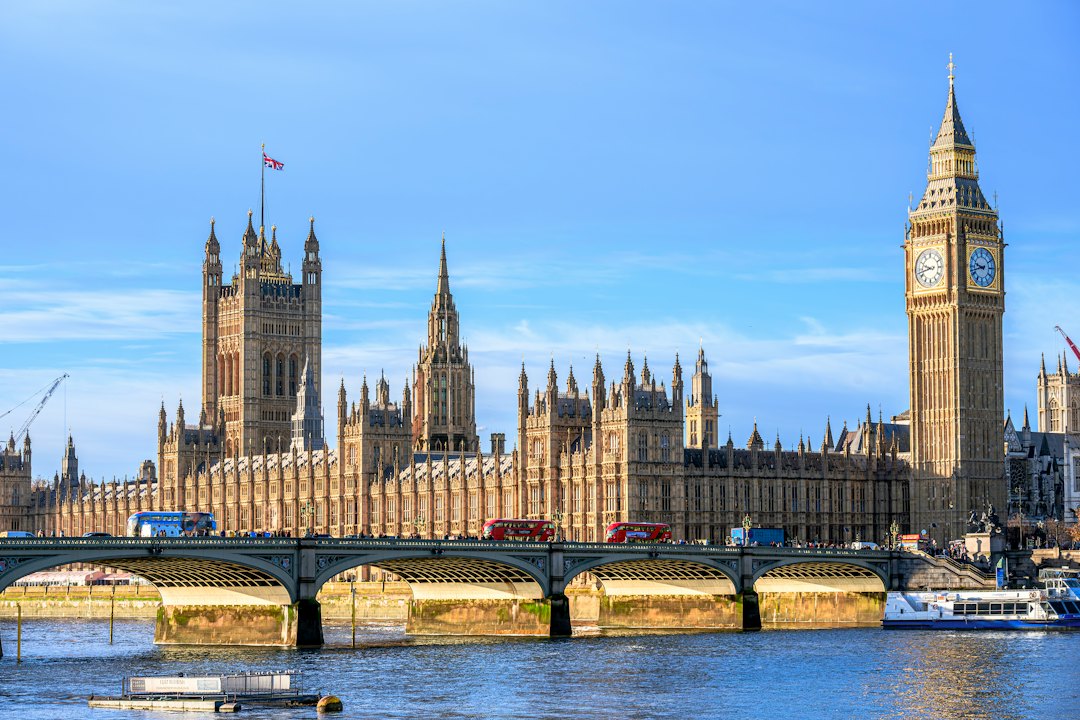
Parliament, the South Bank, Tate Modern, Borough Market and Tower Bridge are all on one flat riverside walk of about 5 km / 3.1 mi.
Photo: Philippe BONTEMPS on Unsplash
Photo: Andre Kidszun on Unsplash
View Full Gallery (3)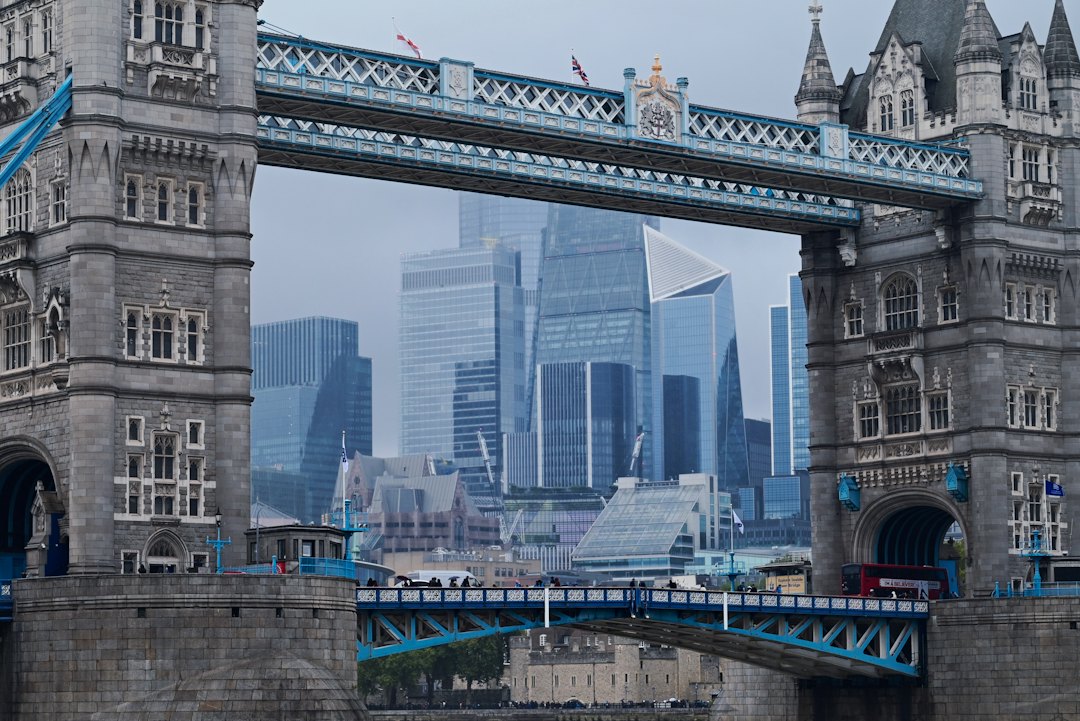
Overview
London is the most expensive big city in Europe that is still worth the money, mostly because its best things cost nothing. The British Museum, the National Gallery, the Natural History Museum, the V&A and Tate Modern are free to walk into, and the river path from Westminster to Tower Bridge is the best orientation lesson a city can offer.
The honest case for London is that it is a collection of villages stitched together by one very good transport system, and the mistake is to treat it as a list. Pick two or three areas, give each a full day, and let the Tube do the rest. Tap in with a contactless card or phone and daily fare capping stops the cost running away: a day in zones 1 and 2 tops out at about $11 (£9; ≈ €10). A pint costs about $8–9 (£6 to £7; ≈ €7.36–8.28), a pub main about $19–25 (£15 to £20; ≈ €17–25), and a central double room in a mid-range hotel about $190–320 (£150 to £250; ≈ €175–290) a night. Book the Tower of London and any theatre seats ahead, expect rain in any month, and note that most visitors now need a UK electronic travel authorisation (ETA) before they fly. Spring and early autumn are the best balance of weather and price; July, August and the weeks before Christmas are the busiest.
Parliament, the South Bank, Tate Modern, Borough Market and Tower Bridge are all on one flat riverside walk of about 5 km / 3.1 mi.
The British Museum, National Gallery, V&A and Natural History Museum are free to enter; book a timed slot on busy days.
Theatre, live music and late restaurants around Covent Garden and Soho; day seats and lottery tickets cut the price.
Best time
Best months for most visitors: Apr–May & Sep–Oct. Good weather, thinner crowds and fairer prices.
April to June and September to October are the best months for most trips.
July and August are the busiest months, with highs around 24°C / 75°F, long evenings and hotel prices at their top.
November to March is cool, grey and damp, with highs from about 8 to 12°C / 46 to 54°F and darkness by 4 pm in midwinter.
Booking window: reserve flights and stays 2–3 months ahead for Apr–May & Sep–Oct, and 4–6 months ahead for peak season (Jun–Aug).
Partner links. We earn a commission at no extra cost to you; sponsors never change a ranking or safety note. How we earn money →
Weather
Current temperature loads here when your browser can reach Open-Meteo.
Weather data: Open-Meteo Historical & Live API. A single reading for the main town or area, not the whole destination.
Peak season about 24°C / 75°F; shoulder season about 15°C / 59°F.
Rain: Moderate; showers spread through the year, with no true dry season.
Highs around 22 to 24°C / 72 to 75°F, long evenings and the odd thunderstorm. Occasional heatwaves go higher, and few hotels have air conditioning.
Highs of about 8 to 9°C / 46 to 48°F, dark by 4 pm and often grey and damp. Frost is rare and snow rarer.
December is a second peak, when Christmas lights, markets and pantomime push rooms up. Book hotels and popular tickets two to three months ahead.
Expect highs of 13 to 20°C / 55 to 68°F, parks in bloom in spring and softer light in autumn. May and late September are the sweet spot: open terraces, shorter queues and lower room rates than July.
Hotels are cheaper outside the Christmas fortnight, museums are calm, and theatre is at its best. January and February are the cheapest months.
Weather data: Open-Meteo Historical & Live API (live reading). Typical highs and season notes are our own summaries. How we verify →
Safety
Last updated: government levels come from our editor-verified table (October 2026). When the live UK FCDO check succeeds, its exact UTC time appears in the panel below. The banner takes the most cautious of the five agencies, so a live UK warning always outranks a green entry in our table and any part-country warning shows as red. We never show a level we haven’t checked. How we verify →
Government levels: editor-verified table, October 2026 How we verify →
Five official agencies, one view. Ratings change, so each pill opens the agency’s own page for today’s level.
Tier 4/5 · Standard caution. Normal precautions: phone snatching and pickpockets in crowded areas, plus occasional Tube and rail strikes.
The UK FCDO does not issue travel advice for the UK itself, but the US State Department and Australian DFAT describe the United Kingdom as a low-risk destination where normal precautions apply. Their advice usually mentions petty crime in busy areas, the need to check entry rules, and occasional strikes or demonstrations. Advice changes, so check each agency’s current UK page before you book.
Our plain-English summary of what the UK FCDO, US State Department, Australian Smartraveller, Japan MOFA and South Korea MOFA publish. We quote no live ratings from memory; each button above opens the agency's own page.
Our opinion, not an official warning
Regional nuance: Advice for the UK is routine and national: petty crime in busy areas, the need to check entry rules, and occasional strikes or demonstrations. The UK FCDO has no page for the UK itself, so check the other four agencies.
The concerns that are real: Phone theft is the main issue: thieves on mopeds or bicycles snatch handsets from hands near kerbs, and pickpockets work crowded Tube carriages, Oxford Street, Camden and the main tourist sights. Keep your phone away from the road side and put bags in front of you. Unlicensed minicabs touting for fares at night, and ticket touts near theatres, are the other nuisances.
What headlines overstate: Headlines about crime, protests or Tube strikes usually describe one area or one day, not the whole city. A strike means closed lines and crowded buses, so check Transport for London’s status page and keep a walking route as backup.
Written by our editors from general travel knowledge and kept apart from the agencies above. How we verify →
Costs
Backpacker
$110 (≈ €100 / £85) per person per day
What it covers: Hostel dorm or budget chain room, supermarket and meal-deal lunches, a Tube and bus day capped by contactless, free museums and parks, and one cheap pub meal.
Mid-Range (default)
$240 (≈ €210 / £190) per person per day
What it covers: Three-star hotel or apartment shared by two, a pub or casual restaurant lunch and dinner with a drink, public transport, one paid sight or a cheap theatre seat a day.
Boutique
$530 (≈ €470 / £420) per person per day
What it covers: Four- or five-star hotel in Mayfair, Covent Garden or Kensington, tasting-menu dinners, West End stalls seats, black cabs and a private guide for the main sights.
Cost source: Audited Local Lodging Taxes, Rail Tariffs & Dining Averages (our own estimates, flights excluded). How we verify →
Source: Should I Go's own estimates, October 2026, in USD per person excluding international flights; euro figures are rough conversions. A couple shares a room, so accommodation drops 25% per person. Prices move, so treat these as a planning range, not a quote.
Estimated total: $0 (≈ €0 / £0)
Estimate in USD per trip, excluding international flights. Two or more travellers share rooms, so accommodation drops 25% per person. Budget and luxury tiers are scaled from the mid-range figure.
Cost source: Audited Local Lodging Taxes, Rail Tariffs & Dining Averages (our own estimates, flights excluded). How we verify →
Where to base yourself
Parliament, the Abbey, the royal parks, theatre and the busiest streets.
Museums and quiet garden squares; the free national collections cluster here.
St Paul’s, the Tower, Tate Modern and Borough Market along the river.
Shoreditch and Broadway Market, then maritime Greenwich for a quieter day.
Itineraries
Getting between stops: Mostly on foot between sights; the Jubilee, District and Circle lines fill the gaps. Pay by contactless so the daily cap, about $11 (£9; ≈ €10) for zones 1 and 2, applies automatically.
Getting between stops: Piccadilly line to South Kensington; Elizabeth line or Northern line to the West End; DLR to Cutty Sark takes about 20 minutes from Bank. Entry is free; temporary exhibitions cost extra.
Getting between stops: Oxford is about an hour from Paddington; Cambridge about 50 minutes from King’s Cross; Windsor takes about 40 to 60 minutes via Slough or Waterloo. Advance single tickets are much cheaper than walk-up fares.
Routes and timetables change. Confirm transit times with the operator before you book.
Do and stay
Best for: First-timers
Pros: Walkable to the British Museum, the West End theatres and the Thames, with plenty of Tube lines and the Elizabeth line at Tottenham Court Road.
Watch for: Central rooms are small and expensive, and the streets around Leicester Square and Covent Garden are loud late into the night.
Best for: River walks and food
Pros: Tate Modern, Borough Market, Shakespeare’s Globe and the river path are on the doorstep, with good Jubilee line links to Westminster and the City.
Watch for: Hotels are modern chains rather than character stays, and the riverside is crowded on summer weekends.
Best for: Museums and families
Pros: The Natural History Museum, V&A and Science Museum are a few minutes away, Hyde Park is close, and the Piccadilly line runs straight to Heathrow.
Watch for: Quiet in the evenings, with fewer cheap places to eat and some of the city’s highest room rates.
These are partner links. We may earn a commission at no extra cost to you.
Trade-offs
Final verdict
Editorial opinion from Should I Go, written from general travel knowledge and reviewed periodically. Verify prices, entry rules and advisories before you book.
Typical costs and rules change; confirm with official sources before you travel.
Four days covers the main sights at a sensible pace: Westminster and the river, the Tower and the City, a museum day, and one day for a market, a park or a show. A week lets you add a day trip by rail to Windsor, Oxford or Cambridge and a slower day in Greenwich or Hampstead.
Yes, but the biggest sights are free. Use the national museums, walk the Thames path, pay by contactless so daily fare caps apply, eat lunch at markets or pubs, and look for cheaper theatre seats and day seats. Hotels are the main cost, so booking outside July, August and December makes the largest difference.
The Tube, Elizabeth line, buses and the Overground cover almost everywhere. Tap in and out with a contactless card or phone, and the system caps your daily and weekly spend. Walk between central sights, use buses for scenery, and keep taxis for late nights or heavy luggage.
Get live weather, activities, travel advisories, and personalised tips for London
Check London Now →Have you visited London? Was it worth it? Readers can vote: Worth Every Penny, Great in Shoulder Season Only, or Overrated / Skip It.