Alfama, the castle and the miradouros
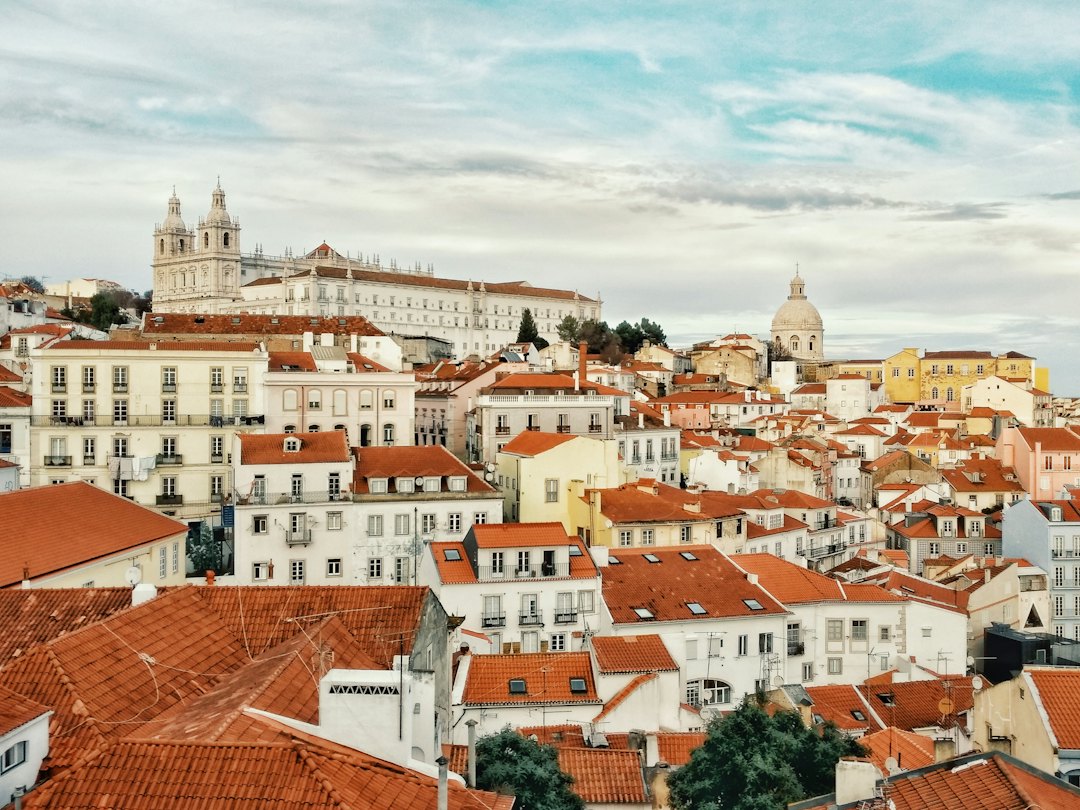
Climb from the Sé through Alfama’s lanes to the São Jorge castle and the viewpoints of Santa Luzia and Portas do Sol. Go early to beat the groups.
Photo: Liam McKay on Unsplash
Photo: Svetlana Gumerova on Unsplash
View Full Gallery (3)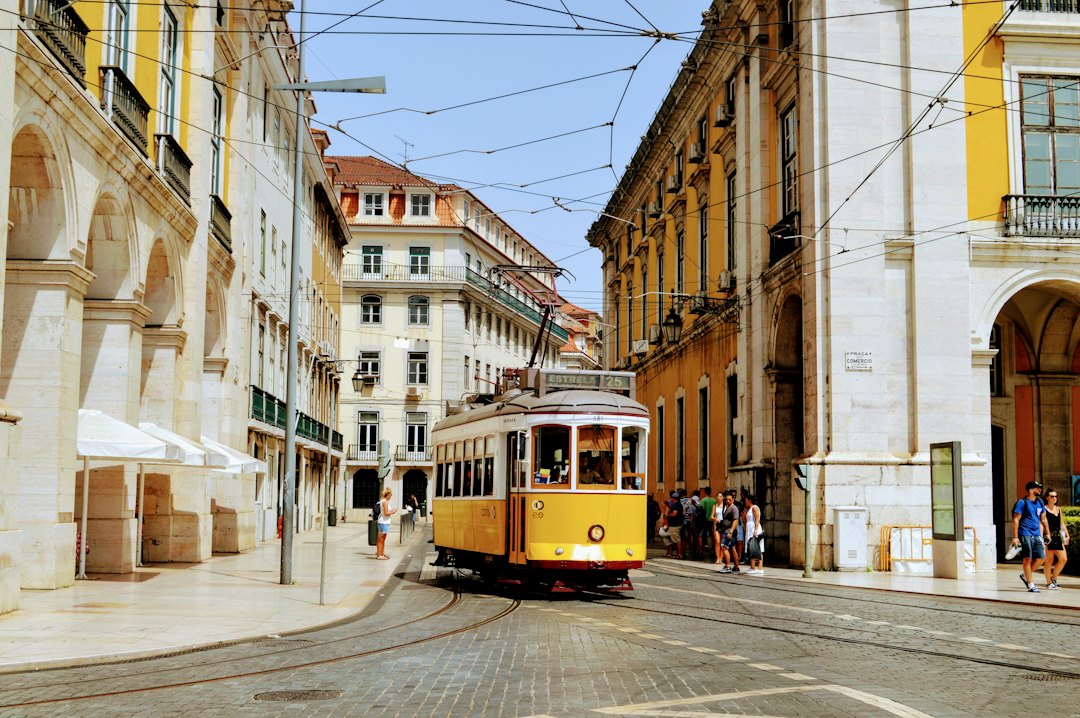
Overview
Lisbon asks for your calves before it asks for your wallet. The city climbs seven hills above the Tagus, and the pleasure lies in the joins between them: the funicular on Calçada da Glória, yellow trams that squeal through Alfama on tracks laid for a smaller century, and the miradouros where locals bring a beer at six o’clock to look at the river. Three days covers the centre, but the neighbourhoods reward slowness. Alfama has its fado and washing lines, Baixa the flat grid rebuilt after the 1755 earthquake, Bairro Alto its late bars, and Belém, about six kilometres west, the Jerónimos monastery, the tower and the queue for pastéis de nata. A good pastel costs about $1.35–1.70 (€1.20 to €1.50; ≈ £1.07–1.34), and it is better warm.
Lisbon is still cheaper than Paris, Rome or London, but it is no longer the bargain it was. A three-star room runs about $65–120 (€60 to €110; ≈ £51–94) a night, a four-star about $150–220 (€140 to €200; ≈ £118–173) and a five-star from about $330 (€300; ≈ £260), and short-term rentals have squeezed Alfama of many of its residents. Tram 28 is the famous ride and the famous pickpocket stage, so board at the Martim Moniz end early in the morning, or walk the route instead. The metro runs from the airport (LIS) to the centre in about 25 to 30 minutes, and trains from Cais do Sodré and Rossio reach Cascais and Sintra in around 40. Spring and autumn are best: July and August push the cobbles above 30°C / 86°F, while winter is mild, at 15 to 16°C / 59 to 61°F, but wet. Wear shoes with grip, because the black-and-white pavement is slippery after rain. Prices are approximate from 2025–26 levels.
Climb from the Sé through Alfama’s lanes to the São Jorge castle and the viewpoints of Santa Luzia and Portas do Sol. Go early to beat the groups.
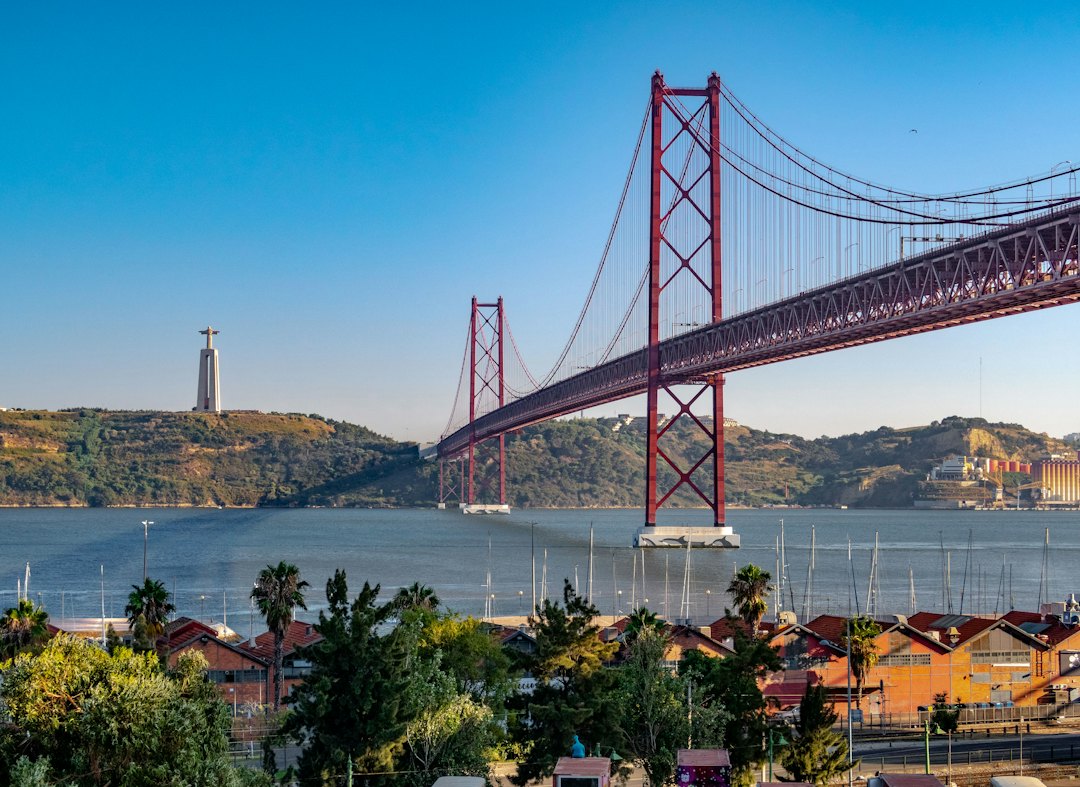
The Jerónimos Monastery, the Belém Tower and the Pastéis de Belém bakery are the headline sights, with the MAAT museum and the river path next door. Book Jerónimos ahead in summer.
Rossio to Sintra takes about 40 minutes and Cais do Sodré to Cascais about the same. Sintra’s palaces need timed tickets; Cascais has beaches and a coastal path.
Best time
Best months for most visitors: Apr–Jun & Sep–Oct. Good weather, thinner crowds and fairer prices.
April to June and September to October are the best months for most trips.
July and August are the busiest months, with highs of about 28 to 29°C / 82 to 84°F, heatwaves that sometimes pass 35°C / 95°F and the highest hotel prices of the year.
November to March is mild but wet, with highs of about 14 to 16°C / 57 to 61°F, frequent rain and short days.
Booking window: reserve flights and stays 2–3 months ahead for Apr–Jun & Sep–Oct, and 4–6 months ahead for peak season (Jul–Aug).
Partner links. We earn a commission at no extra cost to you; sponsors never change a ranking or safety note. How we earn money →
Weather
Current temperature loads here when your browser can reach Open-Meteo.
Weather data: Open-Meteo Historical & Live API. A single reading for the main town or area, not the whole destination.
Peak season about 28°C / 82°F; shoulder season about 21°C / 70°F.
Rain: Very dry in summer; wettest November to January.
Highs of about 27 to 29°C / 81 to 84°F, almost no rain, hot afternoons and occasional heatwaves above 35°C / 95°F. Evenings are pleasant and breezy near the river.
Highs of about 14 to 16°C / 57 to 61°F with frequent rain, overcast days and occasional storms. Rarely cold, but damp.
The June saints’ festivals, especially Santo António on the night of 12 June, also fill the city. Book hotels two to three months ahead.
Expect highs of 19 to 25°C / 66 to 77°F, long daylight, cool nights and fewer queues than in July. Late May and late September give warm sea at Cascais, open terraces and noticeably lower room rates.
Hotels are cheapest outside the New Year weekend, museums are calm and fado houses are at their best, but the Atlantic beaches are too cold for most swimmers.
Weather data: Open-Meteo Historical & Live API (live reading). Typical highs and season notes are our own summaries. How we verify →
Safety
Last updated: government levels come from our editor-verified table (October 2026). When the live UK FCDO check succeeds, its exact UTC time appears in the panel below. The banner takes the most cautious of the five agencies, so a live UK warning always outranks a green entry in our table and any part-country warning shows as red. We never show a level we haven’t checked. How we verify →
Government levels: editor-verified table, October 2026 How we verify →
Five official agencies, one view. Ratings change, so each pill opens the agency’s own page for today’s level.
Tier 4/5 · Standard caution. Normal precautions: pickpockets on trams and in crowded areas, drug touts in Baixa and Bairro Alto, and occasional car break-ins at viewpoints.
The UK FCDO, the US State Department and Australia’s Smartraveller each publish current advice for Portugal. Their advice usually mentions petty crime in busy areas and on public transport, the risk of wildfires and heat in summer, and the need to check entry rules. We do not quote their levels here because they change; check each agency’s Portugal page before you book.
Our plain-English summary of what the UK FCDO, US State Department, Australian Smartraveller, Japan MOFA and South Korea MOFA publish. We quote no live ratings from memory; each button above opens the agency's own page.
Our opinion, not an official warning
Regional nuance: Advice for Portugal from the UK FCDO, US State Department and Australia’s Smartraveller is routine: petty crime in busy areas, summer wildfires and heat inland, and the need to check entry rules. None is specific to Lisbon. Check each agency’s Portugal page before you travel.
The concerns that are real: Pickpocketing is the main issue, concentrated on trams 28 and 15E, at Rossio and around the Santa Justa lift. Street touts in Baixa, Bairro Alto and Cais do Sodré approach visitors offering drugs, often of poor quality. Car break-ins happen at viewpoints and in Belém, so leave nothing in a hire car. Taxi drivers sometimes overcharge at the airport; use a rank, an app or a fixed-fare ride.
What headlines overstate: Headlines about Portugal usually concern strikes on trains or at the airport, summer wildfires inland, or protests about housing and tourism. Most do not affect a normal city trip, but a train or metro strike can close lines for a day, so check CP and Metro de Lisboa status and keep a walking route as backup.
Written by our editors from general travel knowledge and kept apart from the agencies above. How we verify →
Costs
Backpacker
$65 (≈ €60 / £50) per person per day
What it covers: A hostel dorm or simple guesthouse, pastry and sandwich lunches, a bifana or prato do dia dinner, a day pass for the metro and trams, and free viewpoints.
Mid-Range (default)
$140 (≈ €125 / £110) per person per day
What it covers: A three-star hotel or apartment shared by two, a tasca lunch and a restaurant dinner with wine, transit, one or two paid sights such as Jerónimos or Sintra, and a fado evening.
Boutique
$310 (≈ €280 / £240) per person per day
What it covers: A boutique or five-star hotel in Chiado or Príncipe Real, tasting-menu dinners, private transfers to Sintra and Cascais and a guide for the main sights.
Cost source: Audited Local Lodging Taxes, Rail Tariffs & Dining Averages (our own estimates, flights excluded). How we verify →
Source: Should I Go's own estimates, October 2026, in USD per person excluding international flights; euro figures are rough conversions. A couple shares a room, so accommodation drops 25% per person. Prices move, so treat these as a planning range, not a quote.
Estimated total: $0 (≈ €0 / £0)
Estimate in USD per trip, excluding international flights. Two or more travellers share rooms, so accommodation drops 25% per person. Budget and luxury tiers are scaled from the mid-range figure.
Cost source: Audited Local Lodging Taxes, Rail Tariffs & Dining Averages (our own estimates, flights excluded). How we verify →
Where to base yourself
The flat grid between Rossio and the river, with the Santa Justa lift, Praça do Comércio and Chiado’s cafés and bookshops.
The old quarter: cathedral, castle, lanes, fado and the best viewpoints, with the Feira da Ladra flea market on Tuesdays and Saturdays.
Late bars and restaurants, garden squares and the Time Out Market by the river.
Monuments, museums, pastéis and riverside walks; add LX Factory in Alcântara on the way back.
Itineraries
Getting between stops: Mostly on foot between Baixa, Chiado and Alfama; tram 12E or a taxi helps on the climbs. Belém is about seven minutes by direct train from Cais do Sodré, with departures roughly every 20 minutes at busy times, or 40 to 50 minutes by tram 15E.
Getting between stops: Trains to Sintra leave from Rossio (about 40 minutes) and to Cascais from Cais do Sodré (about 40 minutes), a few euros each way. In Sintra, use the 434 bus loop or walk.
Getting between stops: Trains to Évora take about one and a half to two hours from Oriente or Entrecampos, with several direct departures a day (check the Comboios de Portugal timetable); buses to Óbidos from Campo Grande take about an hour. The Cacilhas ferry from Cais do Sodré takes about 10 minutes.
Routes and timetables change. Confirm transit times with the operator before you book.
Do and stay
Best for: First-timers and transport
Pros: Flat streets by Lisbon standards, with metro lines, trams, the Cais do Sodré and Rossio train stations and most of the main sights within walking distance. Restaurants and shops are everywhere.
Watch for: Rooms are expensive and the streets are noisy at night. Pickpockets and drug touts operate in the main squares.
Best for: Atmosphere and views
Pros: Lanes, fado houses, miradouros and the castle on your doorstep, with local tascas in Graça and a quieter feel in the early morning.
Watch for: Steep, cobbled and hard with luggage; few metro stations, so you rely on tram 28 or taxis. Some streets are loud with late-night rentals and bars.
Best for: Cafés and nightlife with a local feel
Pros: Leafy squares, design shops, good restaurants and easy links to Bairro Alto and Cais do Sodré. Santos and Madragoa are quieter and cheaper.
Watch for: Hills between Príncipe Real and the river, and Bairro Alto nights are loud. Fewer sights are within walking distance.
These are partner links. We may earn a commission at no extra cost to you.
Trade-offs
Final verdict
Editorial opinion from Should I Go, written from general travel knowledge and reviewed periodically. Verify prices, entry rules and advisories before you book.
Typical costs and rules change; confirm with official sources before you travel.
Three full days cover the main neighbourhoods: Baixa and Chiado, Alfama and the castle, and Belém. Add a fourth day for Sintra and a fifth for Cascais, the Cabo da Roca coast or a market-and-museum morning. A week lets you add Évora, Óbidos or the Arrábida beaches without rushing.
It is a good ride and a poor commute: slow, crowded and very popular with pickpockets. Board at the Martim Moniz end early in the morning, hold bags in front of you, and consider walking the Alfama and Graça section instead. Trams 12E and 15E are quieter alternatives.
It is good value for a western European capital, not a bargain. Food and drink are fair, and the metro is cheap, but hotel prices in summer have risen sharply. Visiting in spring or autumn and staying outside Alfama and the Baixa square cuts the cost the most.
Get live weather, activities, travel advisories, and personalised tips for Lisbon
Check Lisbon Now →Have you visited Lisbon? Was it worth it? Readers can vote: Worth Every Penny, Great in Shoulder Season Only, or Overrated / Skip It.