Kotor Old Town
A walled maze of marble lanes, small squares, the twelfth-century Cathedral of St Tryphon and cats. It is small, so go in early morning or evening.
Photo: Adventure Albania on Unsplash
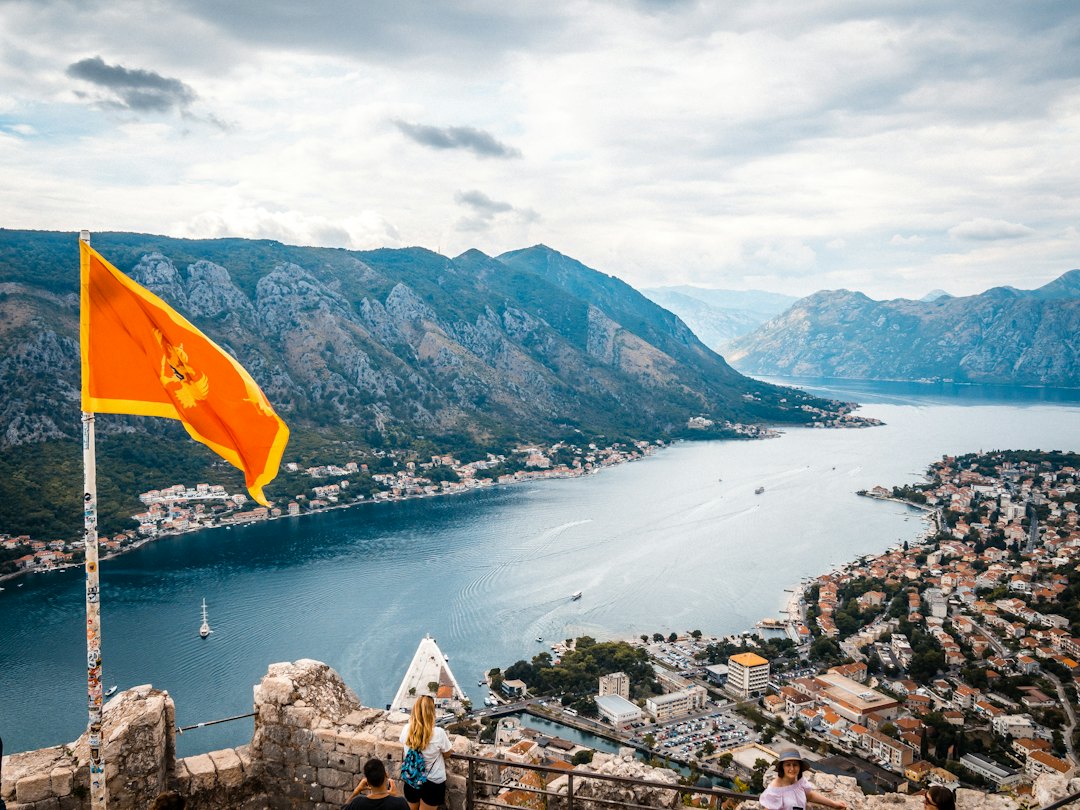
Photo: Oleg Gratilo on Unsplash
View Full Gallery (3)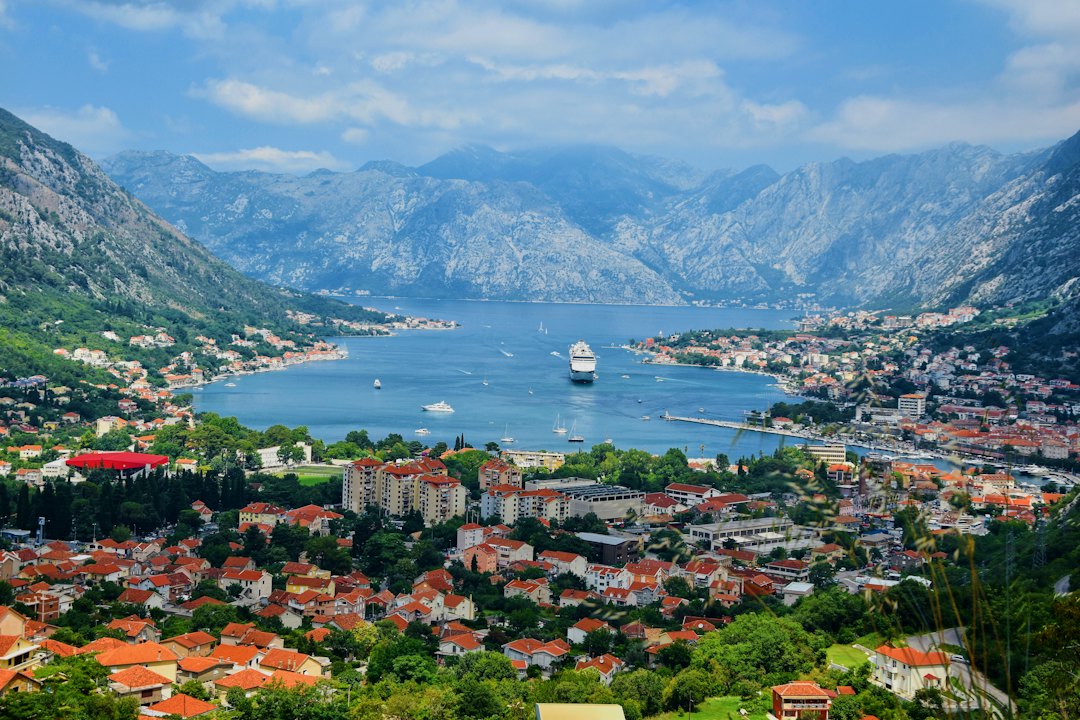
Overview
Kotor is often called a fjord, but it is really a drowned river canyon, and the confusion is a good clue to the place: a town of about 13,000 people tucked beneath a wall of limestone at the end of a long, still, winding bay. The walled Old Town is a UNESCO site of marble lanes, small squares, cats and a twelfth-century cathedral, and it is much smaller than the crowds it receives. Behind it a stone staircase of roughly 1,350 steps climbs the San Giovanni fortress, and at 7 a.m. you will have the view of the bay almost to yourself. By 10 a.m., when cruise-ship groups arrive, you will not.
The honest case for Kotor is that it is lovely and small, and the honest warning is that it is small. On a summer day several cruise ships can disgorge thousands of people into an old town that you could walk across in six minutes, and the quiet is gone by late morning. Stay overnight, go early or late, and use the bay as the real attraction: Perast, Our Lady of the Rocks, the waterfront at Dobrota and the road over Lovćen. Montenegro uses the euro although it is not in the EU, a mid-range double room runs about $90–170 (€80 to €150; ≈ £70–135) in summer, and the fortress ticket is about $17 (€15; ≈ £13). Tivat airport (TIV) is 10 minutes away, Dubrovnik (DBV) about 90 km / 56 mi and two to three hours by road including the border. May, June and September are best; July and August are hot, with highs of 30°C / 86°F or more. Prices are approximate from 2025–26 levels.
A walled maze of marble lanes, small squares, the twelfth-century Cathedral of St Tryphon and cats. It is small, so go in early morning or evening.
About 1,350 steps and 260 metres up to a view of the whole bay. Start before 8 a.m. in summer; the ticket is about $17 (€15; ≈ £13).
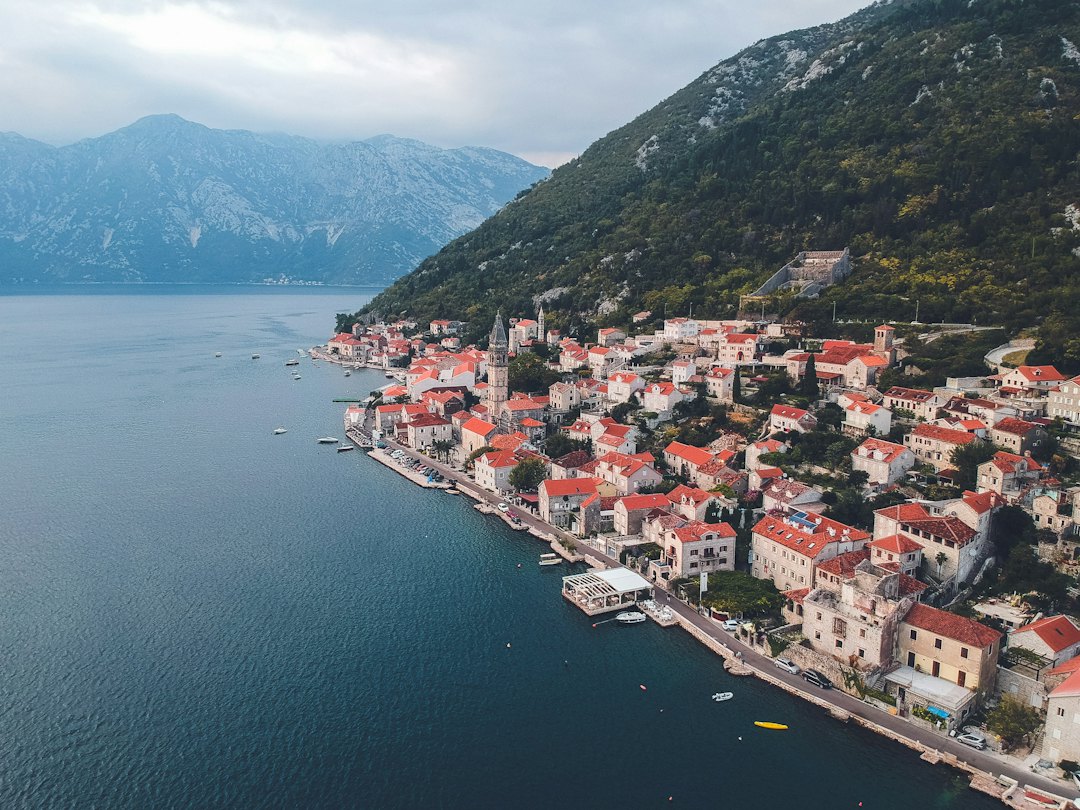
A baroque waterfront 12 km / 7.5 mi from Kotor, with a five-minute boat to an island church. Take the local bus or a boat from the shore.
Best time
Best months for most visitors: May–Jun & Sep. Good weather, thinner crowds and fairer prices.
May, June and September are the best months for most trips.
July and August are the busiest months, with highs of 30 to 32°C / 86 to 90°F, the mountains trapping heat in the bay, and cruise ships daily.
November to March is mild but wet, with highs of about 10 to 14°C / 50 to 57°F and some of the heaviest rainfall in southern Europe, mostly in November and December.
Booking window: reserve flights and stays 2–3 months ahead for May–Jun & Sep, and 4–6 months ahead for peak season (Jul–Aug).
Partner links. We earn a commission at no extra cost to you; sponsors never change a ranking or safety note. How we earn money →
Weather
Current temperature loads here when your browser can reach Open-Meteo.
Weather data: Open-Meteo Historical & Live API. A single reading for the main town or area, not the whole destination.
Peak season about 31°C / 88°F; shoulder season about 22°C / 72°F.
Rain: Low in summer; some of the heaviest rain in southern Europe from October to January.
Highs of about 29 to 32°C / 84 to 90°F, little rain, and heat trapped by the mountains. Sea temperatures of 23 to 25°C / 73 to 77°F and warm nights.
Highs of about 10 to 13°C / 50 to 55°F, with some of the heaviest rain in southern Europe, mostly November to January. Mist and low cloud over the bay are common.
Hotel prices peak and old-town lanes are crowded from mid-morning. Book hotels and Perast boat transfers two to three months ahead.
Highs are around 22 to 28°C / 72 to 82°F, the Adriatic is warming up to 18 to 24°C / 64 to 75°F, and cruise crowds are lighter. October is quieter still, though the first heavy rains arrive.
Many seasonal restaurants and boat trips close, but the town is quiet and hotels are cheap. Snow is possible on the mountains above.
Weather data: Open-Meteo Historical & Live API (live reading). Typical highs and season notes are our own summaries. How we verify →
Safety
Last updated: government levels come from our editor-verified table (October 2026). When the live UK FCDO check succeeds, its exact UTC time appears in the panel below. The banner takes the most cautious of the five agencies, so a live UK warning always outranks a green entry in our table and any part-country warning shows as red. We never show a level we haven’t checked. How we verify →
Government levels: editor-verified table, October 2026 How we verify →
Five official agencies, one view. Ratings change, so each pill opens the agency’s own page for today’s level.
Tier 4/5 · Standard caution. Normal precautions: aggressive driving and narrow coastal roads, summer heat and wildfire risk, and overcharging by some taxis.
The UK FCDO, the US State Department and Australia’s Smartraveller each publish current advice for Montenegro. Their advice usually mentions petty crime, road safety, summer wildfire risk and the need to check entry rules. We do not quote their levels here because they change; check each agency’s Montenegro page before you book.
Our plain-English summary of what the UK FCDO, US State Department, Australian Smartraveller, Japan MOFA and South Korea MOFA publish. We quote no live ratings from memory; each button above opens the agency's own page.
Our opinion, not an official warning
Regional nuance: Advice for Montenegro from the UK FCDO, US State Department and Australia’s Smartraveller is generally routine: road safety, summer wildfire risk, petty crime and entry rules. None of it is specific to Kotor. Check each agency’s current Montenegro page before you travel.
The concerns that are real: Violent crime against visitors is uncommon in Kotor. The main risks are driving (narrow coastal roads, impatient overtaking and cars in the lanes), summer heat on the fortress climb, loose stones and no handrails on parts of the path, and occasional overcharging by taxis. Pickpocketing is possible in crowded Old Town lanes. Wildfires can affect the hills inland in dry summers, so check local news.
What headlines overstate: Headlines about the Balkans usually concern politics or regional tensions far from the Bay of Kotor, and rarely affect a tourist trip. Cruise-ship overcrowding and traffic jams on the bay road are more likely to affect your day than any security issue.
Written by our editors from general travel knowledge and kept apart from the agencies above. How we verify →
Costs
Backpacker
$55 (≈ €50 / £45) per person per day
What it covers: A hostel dorm or simple guesthouse, bakery and burek lunches, a cheap konoba dinner, local buses and free viewpoints.
Mid-Range (default)
$120 (≈ €105 / £95) per person per day
What it covers: A three-star hotel or apartment shared by two, a seafood lunch or dinner with local wine, the fortress ticket, a boat to Our Lady of the Rocks, local buses or taxis.
Boutique
$260 (≈ €230 / £200) per person per day
What it covers: A boutique hotel in the Old Town or a waterfront villa in Perast, tasting dinners, private boat trips on the bay and a driver for Lovćen and Cetinje.
Cost source: Audited Local Lodging Taxes, Rail Tariffs & Dining Averages (our own estimates, flights excluded). How we verify →
Source: Should I Go's own estimates, October 2026, in USD per person excluding international flights; euro figures are rough conversions. A couple shares a room, so accommodation drops 25% per person. Prices move, so treat these as a planning range, not a quote.
Estimated total: $0 (≈ €0 / £0)
Estimate in USD per trip, excluding international flights. Two or more travellers share rooms, so accommodation drops 25% per person. Budget and luxury tiers are scaled from the mid-range figure.
Cost source: Audited Local Lodging Taxes, Rail Tariffs & Dining Averages (our own estimates, flights excluded). How we verify →
Where to base yourself
The walled town, the fortress path and the evening quiet after cruise groups leave.
The north-eastern shoreline, with promenades, swimming platforms and baroque churches.
Perast’s baroque waterfront, Our Lady of the Rocks and the Roman mosaics at Risan.
The hairpin road above the bay, Njeguši ham and cheese, the former royal capital of Cetinje and the Mausoleum of Njegoš.
Itineraries
Getting between stops: The Old Town is pedestrian; local buses along the bay cost about $1.10–2.25 (€1 to €2; ≈ £0.87–1.78); boats from Perast to the island cost about $6 (€5; ≈ £4.74). The bay road is narrow, so avoid it by car on cruise days.
Getting between stops: A hire car or driver is best for Lovćen and Cetinje; a taxi or booked tour is the alternative. The Kotor cable car to the Lovćen slopes also runs for about $22 (€20; ≈ £17) one way.
Getting between stops: Dubrovnik to Kotor takes two to three hours by bus or transfer, with a border check at Debeli Brijeg. Budva is about 30 to 40 minutes by bus from Kotor; Virpazar about an hour and a quarter by car.
Routes and timetables change. Confirm transit times with the operator before you book.
Do and stay
Best for: Atmosphere and early starts
Pros: Sleep inside the walls, walk to the fortress path before the crowds, and have the lanes to yourself in the evening after the cruise groups leave. Restaurants and bars are close.
Watch for: Rooms can be small, stairs steep, and some lanes are noisy with bars until late. Luggage must be carried through pedestrian streets from the gates.
Best for: Quiet, swimming and value
Pros: A calm waterfront strip a few kilometres north, with a promenade to the Old Town, swimming platforms and cheaper rooms with sea views.
Watch for: A 30 to 45 minute walk or a short bus ride to the centre, and fewer restaurants. Traffic noise on the bay road.
Best for: Romance and slow evenings
Pros: A baroque waterfront with a handful of hotels and konobas, quiet once the day boats leave, and Our Lady of the Rocks across the water.
Watch for: Few shops and little nightlife, higher prices for the setting, and you rely on buses, taxis or a car to reach Kotor.
These are partner links. We may earn a commission at no extra cost to you.
Trade-offs
Final verdict
Editorial opinion from Should I Go, written from general travel knowledge and reviewed periodically. Verify prices, entry rules and advisories before you book.
Typical costs and rules change; confirm with official sources before you travel.
Two nights give you the Old Town, the fortress and Perast. Three or four nights let you add the Lovćen road and Cetinje, a swimming day on the bay and a trip to Budva or Lake Skadar. A day trip from Dubrovnik or a cruise stop only skims the surface.
It is steep rather than technical: about 1,350 steps and a rise of roughly 260 metres, taking 45 to 90 minutes up depending on pace and crowds. Go early or late in summer, wear shoes with grip, and carry water. Parts of the path have loose stones and no rails, so take care if it is wet.
On busy summer days, yes, between about 10 a.m. and 4 p.m. Check the port calendars, stay overnight, climb the fortress early and visit Perast or Dobrota at midday. In May, June, September and October, crowds are far more manageable.
Get live weather, activities, travel advisories, and personalised tips for Kotor
Check Kotor Now →Have you visited Kotor? Was it worth it? Readers can vote: Worth Every Penny, Great in Shoulder Season Only, or Overrated / Skip It.