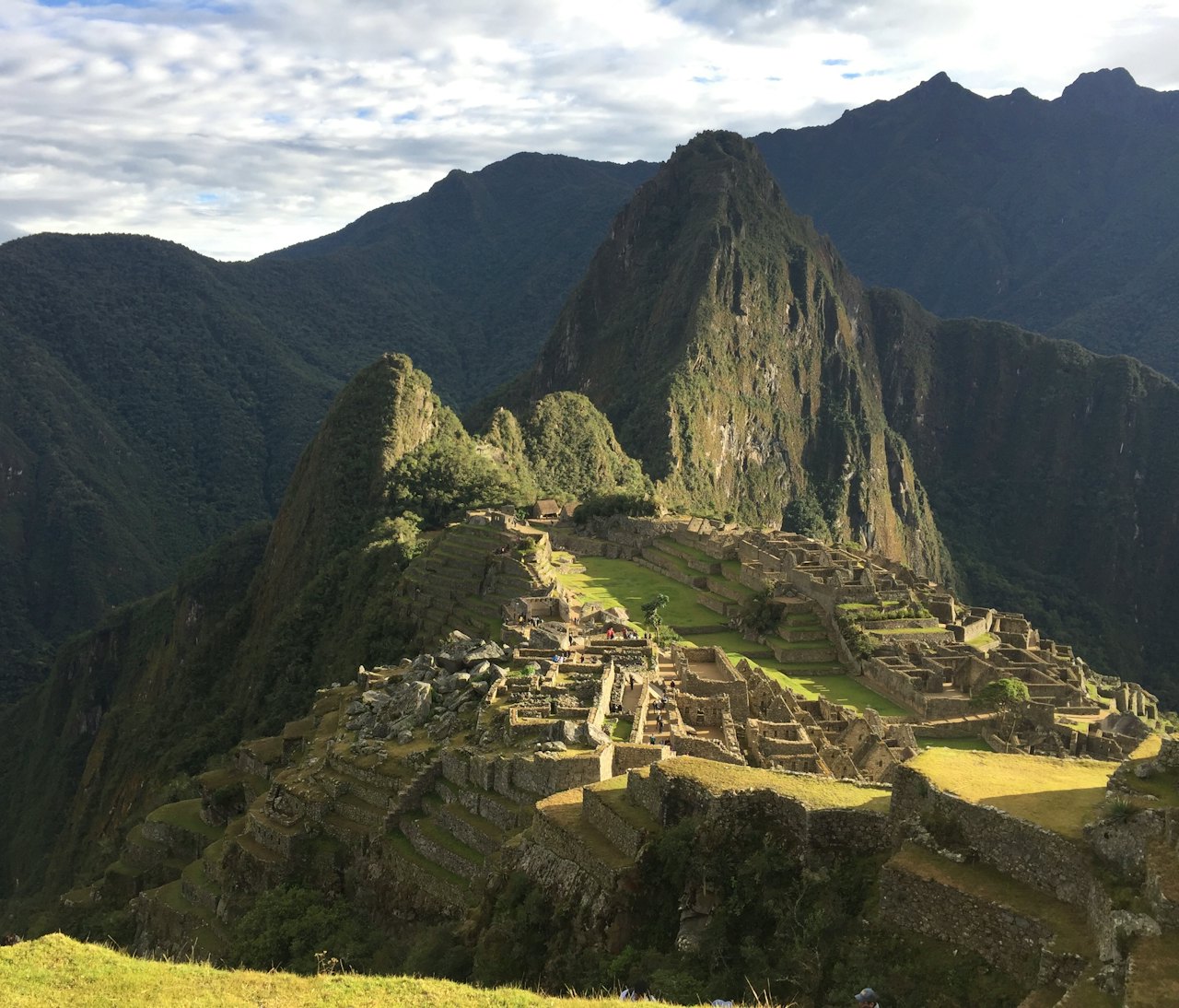
The citadel at first light
The ruins are best in the early hours, when mist lifts off Huayna Picchu. Timed entry tickets are required and sell out.
Photo: Raul Varela on Unsplash
Overview
The ancient Inca citadel sits atop a 2,430-metre (7,970 ft) ridge in the Andes cloud forest. The morning mist rolling through the mountains as the ruins emerge at dawn is one of the most breathtaking moments in all of travel.
Machu Picchu is the rare icon that holds up, and also the rare icon you cannot visit on a whim. Entry is capped, timed and split into circuits, so book the ticket and the train before you book the flights. Spend two or three nights in Cusco and the Sacred Valley first: the city sits at about 3,400 metres (11,150 ft), and the first days are for tea, water and slow stairs. Inca Trail permits sell out months ahead (500 a day, crew included, and the trail closes every February), while the shorter Salkantay and Lares treks leave more room. The honest downside is the cost: the train and entry together (a standard-class train alone is about $55-$85 (≈ €50–75 / £45–65) each way) dwarf everything else you will spend in Peru.
The ruins are best in the early hours, when mist lifts off Huayna Picchu. Timed entry tickets are required and sell out.
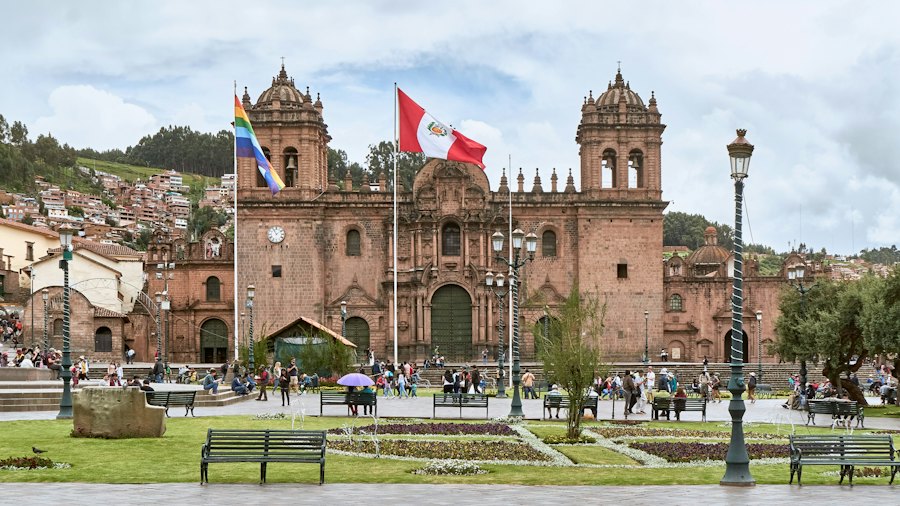
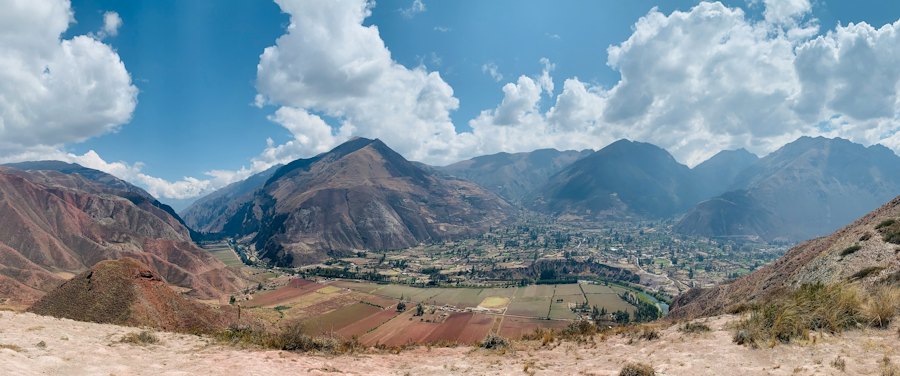
Cusco's Inca stonework and the Sacred Valley's terraces help your body adjust to altitude before the climb.
Inca Trail permits sell out months ahead: 500 a day on the four-day route, crew included, so only about 180 to 200 for trekkers, bought through a licensed agency, and the trail closes every February. Shorter alternatives such as Salkantay exist.
Best time
Best months for most visitors: May–Sep (dry season). Good weather, thinner crowds and fairer prices.
April, May, September and October offer the best balance.
June to August is dry and cold at night, with clear days, crowds at their thickest and prices at their highest.
November to March is the rainy season, with afternoon downpours, cloud over the ruins, landslide-related train delays and a closure of the entire Inca Trail network every February for conservation and maintenance (Machu Picchu itself stays open).
Booking window: reserve flights and stays 2–3 months ahead for May–Sep (dry season), and 4–6 months ahead for peak season (Jun–Aug).
Partner links. We earn a commission at no extra cost to you; sponsors never change a ranking or safety note. How we earn money →
Weather
Current temperature loads here when your browser can reach Open-Meteo.
Weather data: Open-Meteo Historical & Live API. A single reading for the main town or area, not the whole destination.
Peak season about 19°C / 66°F; shoulder season about 18°C / 64°F.
Rain: Heavy Nov–Mar; dry May–Sep.
Dry season is roughly May to September. The wet season runs November to March, with the highest rain risk in January and February.
Cold nights and sunny days year-round. Pack layers and allow time to adjust to 3,400 metres.
Tickets, trains and Inca Trail permits can sell out four to six months ahead. Book early, pack layers and expect queues at the Sun Gate.
Rain is easing or just returning, trails are green or dry, and the citadel is less packed than in July. Hotel and train prices drop a little and tickets are easier to find. May and September are probably the best months overall for clear skies and fewer visitors.
Prices are lowest and it is quieter, but views are unreliable. Bring a waterproof poncho and flexibility.
Weather data: Open-Meteo Historical & Live API (live reading). Typical highs and season notes are our own summaries. How we verify →
Safety
Last updated: government levels come from our editor-verified table (October 2026). When the live UK FCDO check succeeds, its exact UTC time appears in the panel below. The banner takes the most cautious of the five agencies, so a live UK warning always outranks a green entry in our table and any part-country warning shows as red. We never show a level we haven’t checked. How we verify →
Government levels: editor-verified table, October 2026 How we verify →
Five official agencies, one view. Ratings change, so each pill opens the agency’s own page for today’s level.
Tier 3/5 · Increased caution. Increased caution: altitude sickness, transport strikes and protests in Peru.
The UK FCDO, US State Department and Australian DFAT generally describe Peru as open to tourists, but ask visitors to take extra care. Common themes are altitude sickness, petty and violent crime in cities, road accidents and occasional strikes or protests that block roads and rail to Machu Picchu. The UK FCDO (page updated 9 October 2026) advises against all but essential travel only to a strip near the Colombian border and to the VRAEM river valleys, both far from Cusco and Machu Picchu; it also notes that protests sometimes suspend trains to Machu Picchu. None suggests avoiding Machu Picchu itself. Check each official page before booking, and again before you travel.
Our plain-English summary of what the UK FCDO, US State Department, Australian Smartraveller, Japan MOFA and South Korea MOFA publish. We quote no live ratings from memory; each button above opens the agency's own page.
Our opinion, not an official warning
Regional nuance: Peru advice often highlights unrest and road blockades in some southern regions and protest-related transport disruption, which can affect routes to Cusco. Check this before you travel.
The concerns that are real: Altitude sickness is the genuine issue, along with bag snatching in Cusco's markets, fake taxis, and unofficial guides pushing tours. Strikes can close the rail line. Use registered taxis, carry only what you need and book tickets through the official site.
What headlines overstate: Headlines about road blockades and protests overstate the usual experience, since most disruption is brief and local. The citadel has stayed open for most of the year; delays tend to affect planning, not personal safety.
Written by our editors from general travel knowledge and kept apart from the agencies above. How we verify →
Costs
Backpacker
$60 (≈ €55 / £45) per person per day
What it covers: Hostel dorm in Cusco, set-menu lunches (menu del dia) at 12-20 soles, local colectivos and buses between towns, and a self-guided walk up from Aguas Calientes.
Mid-Range (default)
$130 (≈ €115 / £100) per person per day
What it covers: Three-star or boutique hotel in Cusco or Aguas Calientes, sit-down dinners, taxis, guided day tours in the Sacred Valley and the citadel entry fee, shared bus up.
Boutique
$290 (≈ €260 / £230) per person per day
What it covers: Five-star hotel such as a converted convent in Cusco, Vistadome or Hiram Bingham (Belmond) train, private guide at Machu Picchu, and tasting menus at Cusco's top restaurants.
Cost source: Audited Local Lodging Taxes, Rail Tariffs & Dining Averages (our own estimates, flights excluded). How we verify →
Source: Should I Go's own estimates, October 2026, in USD per person excluding international flights; euro figures are rough conversions. A couple shares a room, so accommodation drops 25% per person. Prices move, so treat these as a planning range, not a quote.
Estimated total: $0 (≈ €0 / £0)
Estimate in USD per trip, excluding international flights. Two or more travellers share rooms, so accommodation drops 25% per person. Budget and luxury tiers are scaled from the mid-range figure.
Cost source: Audited Local Lodging Taxes, Rail Tariffs & Dining Averages (our own estimates, flights excluded). How we verify →
Where to base yourself
Colonial streets on Inca foundations. Spend the first nights here to adjust to altitude.
Pisac, Ollantaytambo and Moray. A lower, gentler base before Machu Picchu.
The gateway town below the ruins. Expensive and touristy but unavoidable if you want a dawn entry.
Multi-day treks reach the site on foot. Book months ahead.
Itineraries
Getting between stops: PeruRail and Inca Rail trains from Ollantaytambo to Aguas Calientes, around 1.5 hours; book early. One way, standard class is about $55-$85 (≈ €50–75 / £45–65) and panoramic about $85-$115 (≈ €75–105 / £65–90).
Getting between stops: Colectivos and private cars run through the valley; the train is the practical route to the ruins.
Getting between stops: Return by train from Aguas Calientes after the trail; operators arrange the transfers.
Routes and timetables change. Confirm transit times with the operator before you book.
Do and stay
Best for: First-timers
Pros: Steep cobbled artisan quarter close to the Plaza de Armas, with boutique hotels, cafes and good views. It is easy to walk to sights and restaurants.
Watch for: Hills and stairs are punishing at 3,400 metres. Rooms can be chilly in winter, and nights are noisy near bars.
Best for: Value
Pros: A lower Sacred Valley town at about 2,800 metres (9,200 ft), with Inca ruins, cheap guesthouses and trains straight to Machu Picchu. Acclimatising here is gentler than in Cusco.
Watch for: Small, with limited restaurants and nightlife. Train departures start very early, and the main square gets busy with tour groups.
Best for: Early entry
Pros: The base at the foot of the citadel, with buses up from 5:30am and hot springs for tired legs. Staying overnight avoids a rushed train day.
Watch for: Touristy and overpriced, with mediocre food and constant tout pressure. Rooms cost more than the quality justifies.
These are partner links. We may earn a commission at no extra cost to you.
Trade-offs
Final verdict
Editorial opinion from Should I Go, written from general travel knowledge and reviewed periodically. Verify prices, entry rules and advisories before you book.
Typical costs and rules change; confirm with official sources before you travel.
Book three to six months ahead for June to August and at least a month ahead for other months. Inca Trail permits often sell out four to six months before. Tickets are timed and tied to your passport name, so book through the official Peruvian government site, and book trains directly on the PeruRail or Inca Rail websites. Inca Trail permits are only sold through licensed agencies. Last-minute spaces sometimes appear, but do not rely on them.
Allow five to seven days in the region. Spend two or three days in Cusco and the Sacred Valley to acclimatise, one day for the journey and visit, and a buffer for delayed trains. A rushed day trip from Cusco is possible but tiring and expensive. Add a spare day in case of rail strikes or weather delays.
Not at the citadel itself, which sits around 2,430 metres, lower than Cusco at about 3,400 metres. The trouble comes in Cusco and on trek passes above 4,000 metres. Arrive early, drink water, avoid heavy alcohol, and ask a doctor about medication before you fly. Walk slowly, sleep lower first, and rest if you get a headache.
Get live weather, activities, travel advisories, and personalised tips for Machu Picchu, Peru
Check Machu Picchu, Peru Now →Have you visited Machu Picchu, Peru? Was it worth it? Readers can vote: Worth Every Penny, Great in Shoulder Season Only, or Overrated / Skip It.