Pike Place Market
Fresh seafood, coffee and produce at a historic market. Go early to avoid queues, and eat chowder or a fish sandwich.
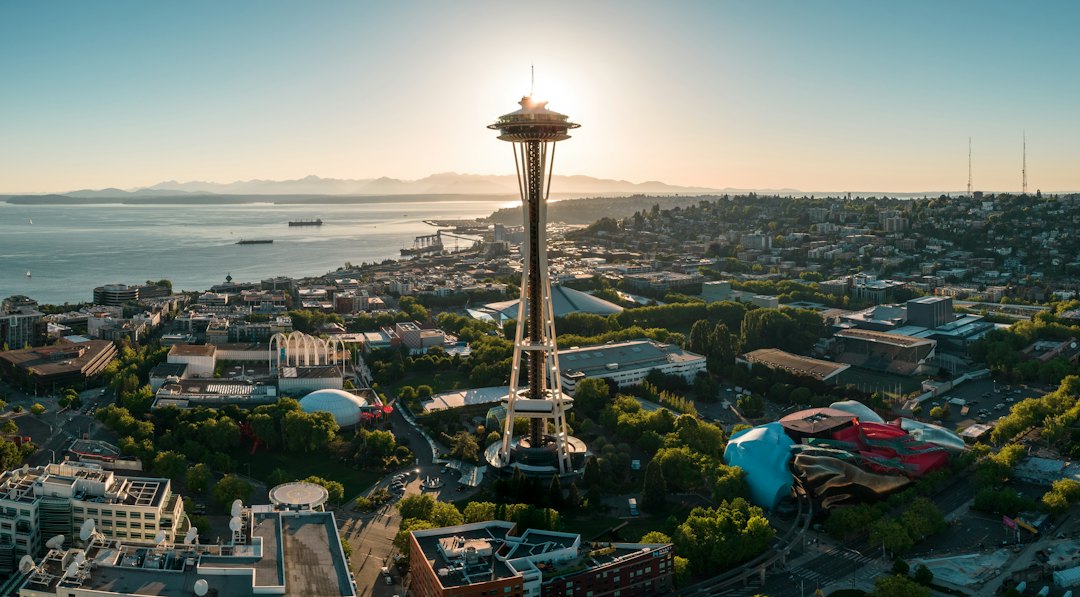
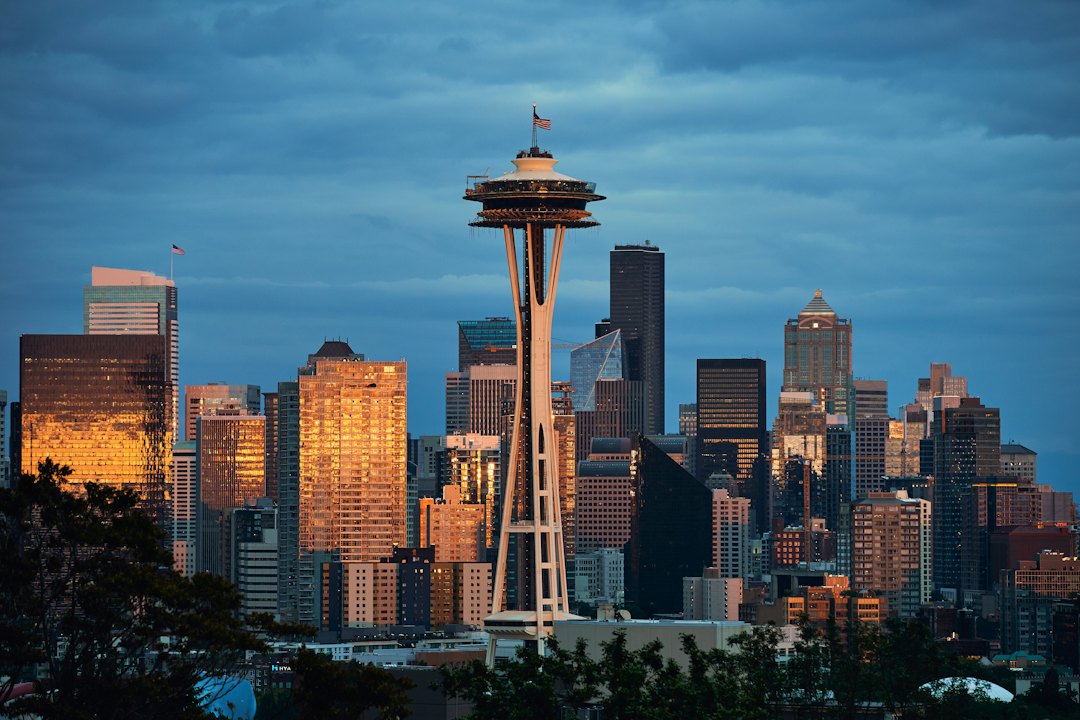
The Space Needle, the skyline and Mount Rainier
Best months: Jun & Sep
Photo: Thom Milkovic on Unsplash
Photo: Robert Ritchie on Unsplash
Photo: Caleb Riston on Unsplash
View Full Gallery (3)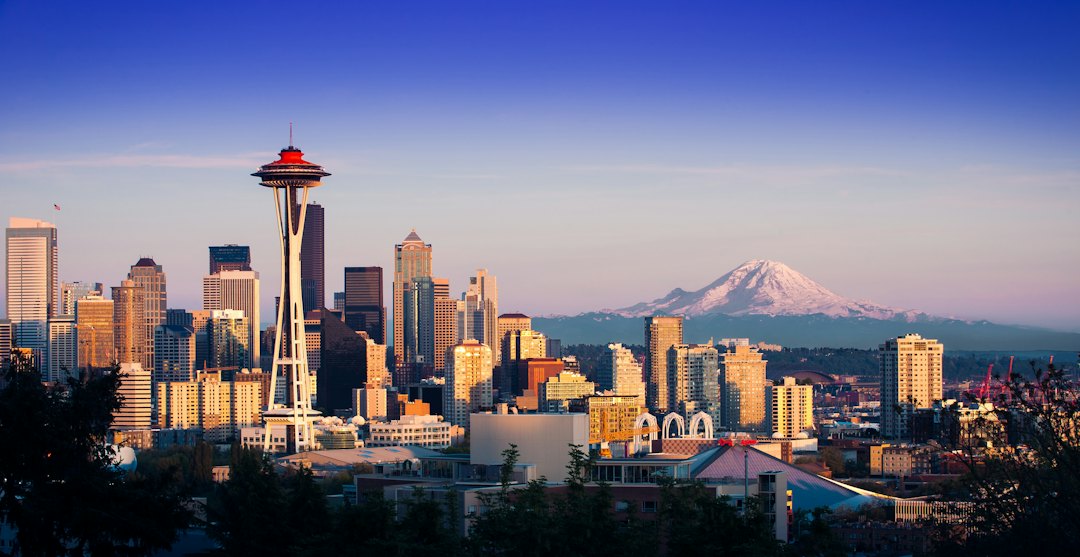
Overview
Seattle’s rain reputation is half true and entirely beside the point. It drizzles for much of the year, then July and August arrive with long, clear, dry days, and the city turns into one of the best summer bases in North America: a skyline, a working waterfront and, on a clear day, a snow-capped volcano filling the horizon.
The honest case is what sits within reach. In the city you have Pike Place Market for seafood and coffee, a ferry to Bainbridge Island for the best cheap view of the skyline, Chihuly glass and the MoPOP museum. Within a day’s drive are Mount Rainier, Olympic and North Cascades National Parks, so a week can mix museums and mountains. The honest cost is the price and the weather window. Hotels are expensive, lodging taxes and fees add to the bill, and downtown rooms rise in July and August, when highs are near 22°C / 72°F (72°F). June and September are the sweet spot, with fewer crowds and still-dry days. From November to March expect grey skies, drizzle and early dark, with highs of 7 to 11°C / 45 to 52°F (45 to 52°F), and the mountain roads and trails are snowy.
You can do the city without a car, and the national parks are easier with one. Wildfire smoke can occasionally spoil a late-summer view. Prices and rules are approximate, written from general knowledge, so check them before you go.
Fresh seafood, coffee and produce at a historic market. Go early to avoid queues, and eat chowder or a fish sandwich.
A Washington State Ferries crossing of about 35 minutes from Pier 52 with a view back at the skyline. A walk-on ticket is about $10 (≈ €8.93 / £7.87).
Mount Rainier, Olympic and North Cascades National Parks are each a drive from the city. Rent a car and check conditions before you go.
Best time
Best months for most visitors: Jun & Sep. Good weather, thinner crowds and fairer prices.
June and September are the sweet spot, with mostly dry days, softer crowds and cooler highs around 20 to 21°C / 68 to 70°F (68 to 70°F).
July and August are the driest and busiest months, with highs near 22°C / 72°F (72°F), long evenings and the highest hotel rates.
November to March is grey, drizzly and dark by late afternoon, with highs of 7 to 11°C / 45 to 52°F (45 to 52°F).
Booking window: reserve flights and stays 2–3 months ahead for Jun & Sep, and 4–6 months ahead for peak season (Jul–Aug).
Partner links. We earn a commission at no extra cost to you; sponsors never change a ranking or safety note. How we earn money →
Weather
Current temperature loads here when your browser can reach Open-Meteo.
Weather data: Open-Meteo Historical & Live API. A single reading for the main town or area, not the whole destination.
Peak season about 22°C / 72°F; shoulder season about 20°C / 68°F.
Rain: Dry from July to September; drizzly and grey from October to April.
Dry, bright and mild, with highs near 22°C / 72°F (72°F). Wildfire smoke can occasionally affect air quality late in the season.
Grey and drizzly, with highs of 7 to 11°C / 45 to 52°F (45 to 52°F) and early dark. Mountain roads and trails can be snowy.
Surface water peaks at about 11.7 to 12.1°C / 53 to 54°F (53.1 to 54.3°F) in mid-August and averages 7.4°C / 45°F (45.3°F) in winter. That is too cold for casual swimming without a 4 mm or 5 mm wetsuit.
Book rooms and national park trips well ahead, and expect queues at Pike Place Market.
Wildfire smoke is occasionally an issue in late summer.
Rooms are cheaper, the museums and coffee shops fill up and the mountain roads are snowy.
Weather data: Open-Meteo Historical & Live API (live reading). Typical highs and season notes are our own summaries. How we verify →
Safety
Last updated: government levels come from our editor-verified table (October 2026). When the live UK FCDO check succeeds, its exact UTC time appears in the panel below. The banner takes the most cautious of the five agencies, so a live UK warning always outranks a green entry in our table and any part-country warning shows as red. We never show a level we haven’t checked. How we verify →
Government levels: editor-verified table, October 2026 How we verify →
Five official agencies, one view. Ratings change, so each pill opens the agency’s own page for today’s level.
Tier 4/5 · Standard caution. Normal precautions: car break-ins, Waterfront hustles, mountain weather and late-summer wildfire smoke.
The UK FCDO’s page for the United States (updated 30 October 2026) carries no warning against travel to the places in this guide. It says terrorists are very likely to try to carry out attacks in the US, including in crowded places; that violent crime rarely affects tourists, though you should take care in unfamiliar areas; and that gangs may target vehicles driven by people who look like tourists, so avoid leaving items on display in your car. Read the current page before you book, and again before you travel, because wording changes. For Seattle, the FCDO lists Washington among the states at higher risk of earthquakes and with active volcanoes, and says wildfires are a danger in many dry areas. Street hustles near the Waterfront and mountain weather are our own notes.
Our plain-English summary of what the UK FCDO, US State Department, Australian Smartraveller, Japan MOFA and South Korea MOFA publish. We quote no live ratings from memory; each button above opens the agency's own page.
Our opinion, not an official warning
Regional nuance: The UK FCDO page for the US carries no warning against travel. It lists Washington among the states at higher risk of earthquakes and with active volcanoes, and notes that wildfires are a danger in dry areas. Mountain weather, wildfire smoke and car break-ins at trailheads and downtown lots are our own notes.
The concerns that are real: Car break-ins are the common crime, at trailheads and downtown lots, so leave nothing visible. Some downtown streets feel rough at night, and the Waterfront has bracelet hustlers. In the mountains, weather changes fast, and late-summer wildfire smoke can affect air quality. Earthquakes and volcanoes are low-probability risks that locals plan for.
What headlines overstate: Headlines about wildfire smoke, wet-weather flooding and mountain closures describe real events. Check road and trail status before you set out for the parks, and follow local alerts.
Written by our editors from general travel knowledge and kept apart from the agencies above. How we verify →
Costs
Backpacker
$140 (≈ €125 / £110) per person per day
What it covers: A hostel bed or shared room, market and grocery meals, light rail and free parks.
Mid-Range (default)
$310 (≈ €280 / £240) per person per day
What it covers: A downtown or Ballard hotel room shared by two, restaurant meals, transit, a ferry ride and one paid attraction.
Boutique
$680 (≈ €610 / £540) per person per day
What it covers: A waterfront boutique hotel, tasting dinners, private tours and a national park guide or seaplane flight.
Cost source: Audited Local Lodging Taxes, Rail Tariffs & Dining Averages (our own estimates, flights excluded). How we verify →
Source: Should I Go's own estimates, October 2026, in USD per person excluding international flights; euro figures are rough conversions. A couple shares a room, so accommodation drops 25% per person. Prices move, so treat these as a planning range, not a quote.
Estimated total: $0 (≈ €0 / £0)
Estimate in USD per trip, excluding international flights. Two or more travellers share rooms, so accommodation drops 25% per person. Budget and luxury tiers are scaled from the mid-range figure.
Cost source: Audited Local Lodging Taxes, Rail Tariffs & Dining Averages (our own estimates, flights excluded). How we verify →
Where to base yourself
Pike Place Market, the ferry terminal and the waterfront.
Breweries, shops and neighbourhood restaurants a short ride from downtown.
Cafes, music and nightlife, with light rail access.
Mount Rainier, Olympic and North Cascades National Parks are each a day or more out of the city.
Itineraries
Getting between stops: Link 1 Line light rail runs from the airport to Westlake in about 38 minutes for $3 (≈ €2.68 / £2.36). The ferry leaves from Pier 52. King County Metro buses are a flat $2.75 (≈ €2.46 / £2.17), and the Water Taxi from Pier 50 to West Seattle is $5.75 (≈ €5.13 / £4.53) with an ORCA card.
Getting between stops: Rent a car for the park day, and check road and trail status before you leave.
Getting between stops: Rent a car and book lodging early in July and August. Distances to the parks are long.
Routes and timetables change. Confirm transit times with the operator before you book.
Do and stay
Best for: First-timers who want to walk to the sights
Pros: Pike Place Market, the ferry terminal and the waterfront are close, with plenty of restaurants.
Watch for: Busy and expensive, and some streets feel rough late at night.
Best for: Neighbourhood bars, breweries and a local feel
Pros: Independent restaurants, shops and quieter streets, a short bus ride from downtown.
Watch for: Further from the main sights, with fewer hotels.
Best for: Nightlife, cafes and a lively street scene
Pros: Restaurants, music venues and good transit access by light rail.
Watch for: Noisy at weekends and short of luxury hotels.
These are partner links. We may earn a commission at no extra cost to you.
Trade-offs
Final verdict
Editorial opinion from Should I Go, written from general travel knowledge and reviewed periodically. Verify prices, entry rules and advisories before you book.
Typical costs and rules change; confirm with official sources before you travel.
June and September are best, with dry days and thinner crowds. July and August are busiest, with highs near 22°C / 72°F (72°F), and November to March is grey and drizzly.
Not for the city. The Link 1 Line runs from the airport to Westlake in about 38 minutes for $3 (≈ €2.68 / £2.36), and ferries and buses cover the rest. For Mount Rainier, Olympic and North Cascades National Parks a car is much easier.
Buy Washington State Ferries tickets at the Pier 52 terminal. A walk-on ticket to Bainbridge Island is about $10 (≈ €8.93 / £7.87), and third-party sellers mark them up.
King County Metro buses charge a flat adult fare of $2.75 (≈ €2.46 / £2.17). The King County Water Taxi from Pier 50 to West Seattle is $5.75 (≈ €5.13 / £4.53) with an ORCA card, or $6.75 (≈ €6.03 / £5.31) in cash. Taxis have a $2.70 (≈ €2.41 / £2.13) flag drop plus $2.70 (≈ €2.41 / £2.13) a mile, and the Link 1 Line from the airport is about $3 (≈ €2.68 / £2.36).
Not comfortably. The warmest monthly average for the surface water comes in mid-August and tops out at about 11.7 to 12.1°C / 53 to 54°F (53.1 to 54.3°F); in winter it averages 7.4°C / 45°F (45.3°F). The cold comes from deep Pacific water that keeps the Sound cool all year. Casual swimming is generally considered too cold without exposure gear, and marine safety agencies recommend a 4 mm or 5 mm neoprene wetsuit for anyone who goes in, to avoid cold-water shock. For tide charts and daily changes, look at NOAA's Puget Sound sea-surface guide.
Get live weather, activities, travel advisories, and personalised tips for Seattle, Washington, USA
Check Seattle, Washington, USA Now →Have you visited Seattle, Washington, USA? Was it worth it? Readers can vote: Worth Every Penny, Great in Shoulder Season Only, or Overrated / Skip It.