Edomae omakase
Twenty pieces of Edomae-style sushi served in sequence, with no menu to choose from.
World's most famous sushi counter
Tokyo Tower above the skyline on a clear day
Best months: Oct–Dec & Mar–May
Photo: Rebecca Clarke on Unsplash
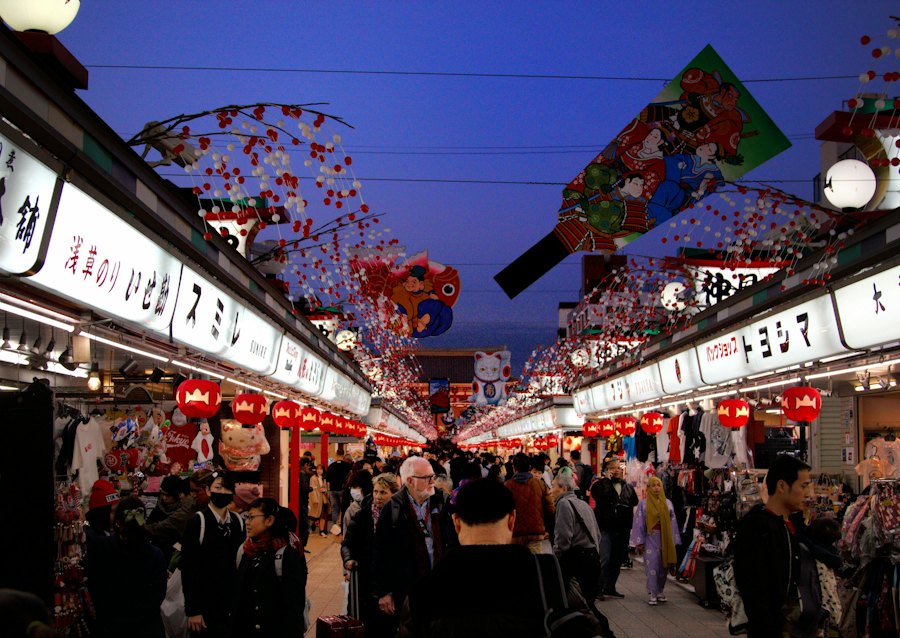
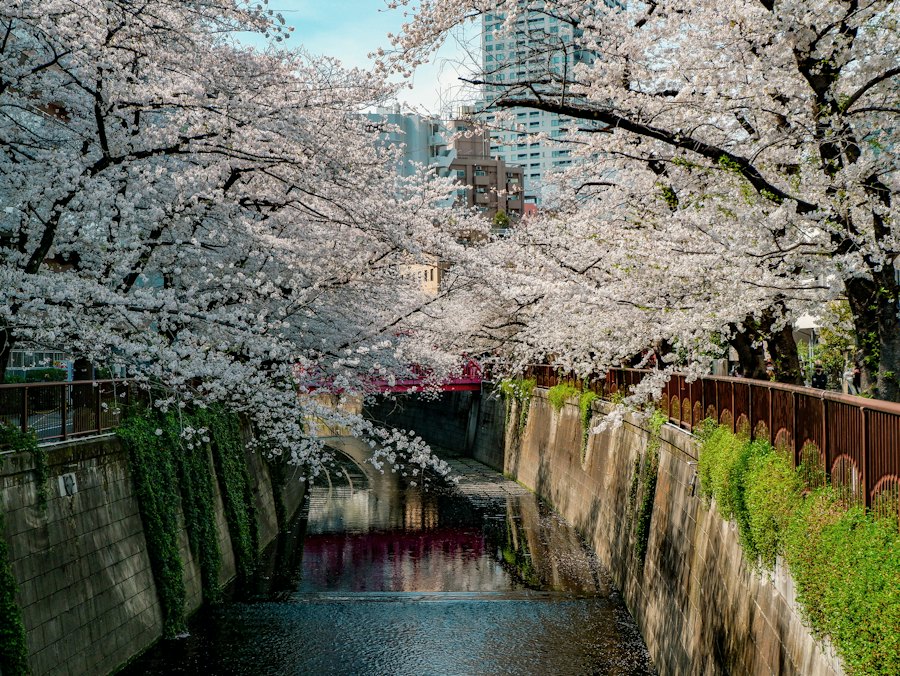
Photo: Susann Schuster on Unsplash
View Full Gallery (3)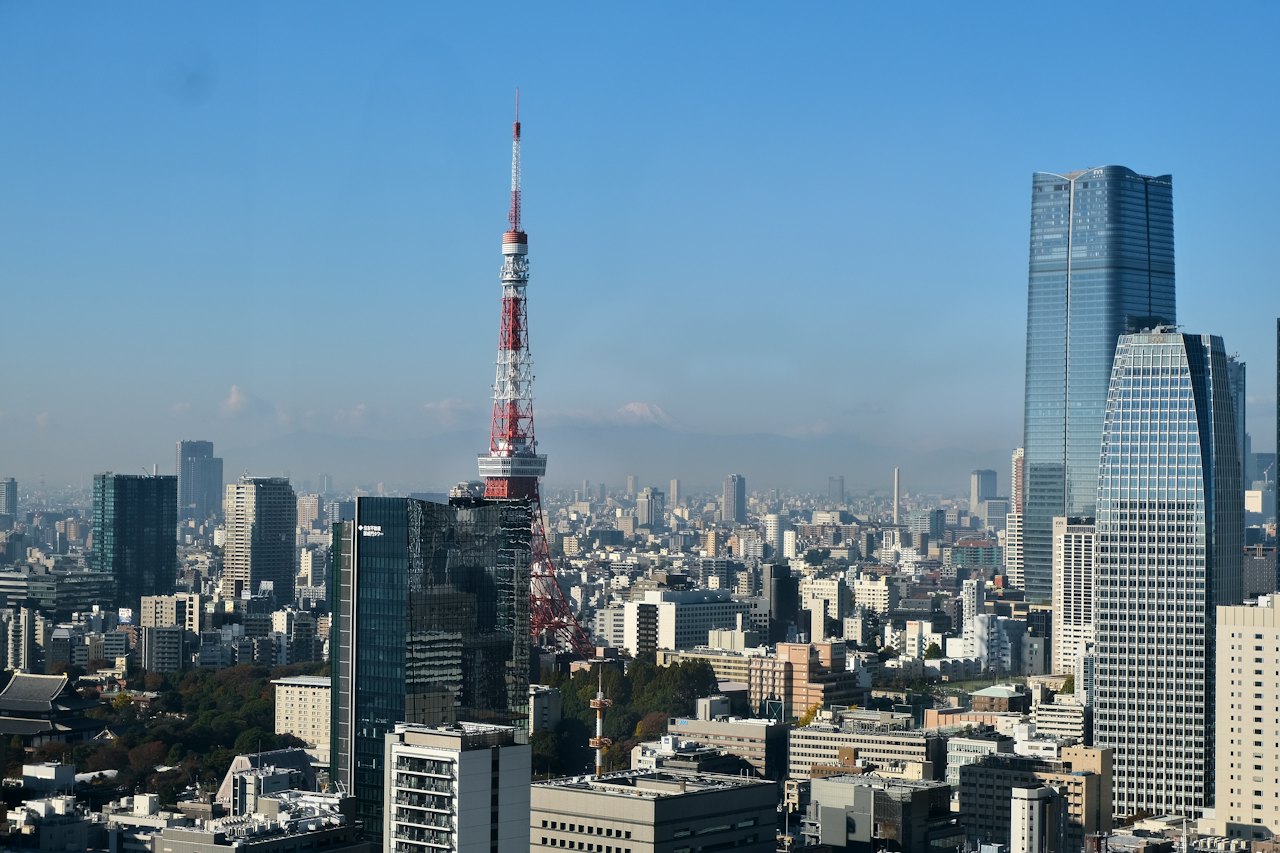
Overview
Sukiyabashi Jiro is the world's most famous sushi counter, thanks to the film Jiro Dreams of Sushi. Master Jiro Ono and his eldest son, Yoshikazu Ono, serve a 20-piece Edomae sushi omakase in about 30 focused minutes. It is a short meal with a long approach.
Reservations open on the 1st of the previous month and go through a five-star Tokyo hotel. The omakase is $347 (¥55,000; ≈ €310 / £273) per person (editor-supplied). The counter is in Ginza, and the rest of Tokyo, from ramen to shrines, fills the days around it.
Twenty pieces of Edomae-style sushi served in sequence, with no menu to choose from.
Jiro Ono and his eldest son Yoshikazu Ono, the family at the centre of the restaurant's reputation.
The meal is short, so plan the rest of the evening around it.
Best time
Best months for most visitors: Oct–Dec & Mar–May. Good weather, thinner crowds and fairer prices.
Oct–Dec & Mar–May are our sweet-spot months, with temperatures about 20°C / 68°F.
We have not marked a peak month for this restaurant.
The other months are off-peak in our month bar.
Table booking window: 1st of the prior month, via a five-star Tokyo hotel. Reservations are made through the hotel (editor-supplied). Book the table first, then flights and a stay for the best months above.
Booking window: reserve flights and stays 2–3 months ahead for Oct–Dec & Mar–May.
Partner links. We earn a commission at no extra cost to you; sponsors never change a ranking or safety note. How we earn money →
Weather
Current temperature loads here when your browser can reach Open-Meteo.
Weather data: Open-Meteo Historical & Live API. A single reading for the main town or area, not the whole destination.
March to May and October to December suit the trip, with highs about 20°C / 68°F (editor-supplied). Cherry-blossom weeks are very busy.
Humid, with highs about 30–31°C / 86–88°F and a wet June in our Tokyo guide. The meal is indoors, but the days around it are hot.
The booking window (1st of the prior month, via a five-star Tokyo hotel) matters more than the month.
Editor-supplied.
The meal is indoors, so weather matters mainly for the days around it.
Weather data: Open-Meteo Historical & Live API (live reading). Typical highs and season notes are our own summaries. How we verify →
Safety
Last updated: government levels come from our editor-verified table (October 2026). When the live UK FCDO check succeeds, its exact UTC time appears in the panel below. The banner takes the most cautious of the five agencies, so a live UK warning always outranks a green entry in our table and any part-country warning shows as red. We never show a level we haven’t checked. How we verify →
Government levels: editor-verified table, October 2026 How we verify →
Five official agencies, one view. Ratings change, so each pill opens the agency’s own page for today’s level.
Tier 5/5 · Very low risk. Normal precautions: very low crime, drink-spiking risk in nightlife districts, earthquake awareness advised.
The UK FCDO has no advice against travel to Tokyo. Its page says civil disturbance is rare and there is no recent history of terrorism, though attacks cannot be ruled out. It warns about drink spiking and credit card fraud, with Kabukicho, Roppongi, Shibuya and Ikebukuro named as high-risk zones, and about North Korean missile launches, earthquakes and strict drug laws. Read the official pages for your passport country before booking and again before departure.
Our plain-English summary of what the UK FCDO, US State Department, Australian Smartraveller, Japan MOFA and South Korea MOFA publish. We quote no live ratings from memory; each button above opens the agency's own page.
Our opinion, not an official warning
Regional nuance: The UK FCDO notes earthquakes, typhoons and North Korean missile launches, and says civil disturbance is rare. Nothing in Tokyo itself is a no-go area.
The concerns that are real: The real risk is drink spiking and huge card bills after street touts invite you into bars in Kabukicho, Roppongi, Shibuya and Ikebukuro, so never follow street invitations and carry only what you need. Know your hotel's earthquake procedures, bring enough cash for small shops, and check medication rules before flying.
What headlines overstate: Earthquake and tsunami headlines make Tokyo sound precarious, but the city is built and drilled for them, and most visitors never feel one. Crime is very low, and lost wallets are often handed in.
Written by our editors from general travel knowledge and kept apart from the agencies above. How we verify →
Costs
Backpacker
$250 (≈ €220 / £195) per person per day
What it covers: Our scaled estimate (0.45x the mid-range figure). It would not cover the tasting menu ($347 (¥55,000; ≈ €310 / £273) per person); read it as the cost of the trip around the meal.
Mid-Range (default)
$550 (≈ €490 / £430) per person per day
What it covers: Our figure for a trip that includes the booked meal plus mid-range stays and food. The scaling is an estimate, not an audited price.
Boutique
$1,210 (≈ €1,080 / £950) per person per day
What it covers: Our scaled estimate (2.2x) for boutique hotels and extras such as a drinks pairing.
Cost source: Audited Local Lodging Taxes, Rail Tariffs & Dining Averages (our own estimates, flights excluded). How we verify →
Source: Should I Go's own estimates, October 2026, in USD per person excluding international flights; euro figures are rough conversions. A couple shares a room, so accommodation drops 25% per person. Prices move, so treat these as a planning range, not a quote.
Estimated total: $0 (≈ €0 / £0)
Estimate in USD per trip, excluding international flights. Two or more travellers share rooms, so accommodation drops 25% per person. Budget and luxury tiers are scaled from the mid-range figure.
Cost source: Audited Local Lodging Taxes, Rail Tariffs & Dining Averages (our own estimates, flights excluded). How we verify →
Where to base yourself
The restaurant's own district, with department stores, galleries and many restaurants. Staying here puts the meal on foot.
Best for bullet-train access and polished shopping. Higher prices.
Neon, transit hubs and nightlife. Convenient but loud, so choose a side street.
Older Tokyo: temples, shitamachi lanes and cheaper hotels. Good for early starts.
Itineraries
Getting between stops: About 30 minutes (editor-supplied).
Getting between stops: JR Yamanote Line loops the main hubs; get a Suica or Pasmo card at the airport.
Getting between stops: Tobu limited express or Shinkansen via Utsunomiya to Nikko takes about 1 hour 50 minutes each way; Metro and JR inside the city.
Routes and timetables change. Confirm transit times with the operator before you book.
Do and stay
Best for: Dinner guests and shoppers
Pros: The restaurant's own district; five-star hotels in Ginza and Marunouchi appear in our Tokyo luxury tier.
Watch for: That tier runs about $300-$420 (≈ €270–380 / £240–330) a day in our Tokyo guide.
Best for: First-timers
Pros: The busiest rail hub in Japan, with direct trains to both airports, endless food and nightlife, and easy day trips toward Kawaguchiko and Hakone.
Watch for: Enormous, crowded and noisy, and Shinjuku Station is a maze. Kabukicho nearby has touts and overpriced bars after dark.
Best for: Nightlife and food
Pros: Trendy bars, record shops and some of the city's best restaurants, with the Yamanote line and Ginza line at the door and a lively late-night scene.
Watch for: Pricey rooms, steep hills and crowds around the crossing. Rooms in the busiest streets can be small and noisy.
These are partner links. We may earn a commission at no extra cost to you.
Trade-offs
Final verdict
Editorial opinion from Should I Go, written from general travel knowledge and reviewed periodically. Verify prices, entry rules and advisories before you book.
Typical costs and rules change; confirm with official sources before you travel.
If seeing the most famous sushi counter in the world is a goal in itself, yes. It is a very short, very expensive meal, so if you value a long evening or a flexible plan, spend the money on a week of Tokyo's other food instead.
Reservations open on the 1st of the prior month and go through a five-star Tokyo hotel (editor-supplied). Ask the hotel's concierge how to request a seat, and confirm cancellation terms. We have not verified the booking process.
$347 (¥55,000; ≈ €310 / £273) per person. 20-piece Edomae omakase, about 30 minutes. Editor-supplied. Prices and what is included can change, so confirm them when you book. Our trip estimate of about $550 (≈ €490 / £430) a day is a scaled figure that includes the meal.
Oct–Dec & Mar–May, with temperatures about 20°C / 68°F (editor-supplied). Our month bar marks the rest of the year as off-peak.
Our editor-supplied snapshot (6 Nov 2026, not independently checked) shows the five agencies at US L1, UK Green, AU L1, JP L0, KR L0. Tokyo is very safe by our rating (5/5); ignore street touts in Kabukicho and Roppongi. Check each agency's own page before you travel.
From Haneda (HND), the Tokyo Monorail to Hamamatsucho and the JR Yamanote Line to Yurakucho take about 30 minutes in all (editor-supplied); the monorail fare is about $3.30 (¥520; ≈ €2.95 / £2.60), plus the Yamanote fare. From Narita, see our Tokyo guide for the Skyliner and Narita Express.
Plan the days around the meal: live weather, activities and travel advisories for Tokyo
Plan Tokyo Now →Have you visited Sukiyabashi Jiro, Tokyo? Was it worth it? Readers can vote: Worth Every Penny, Great in Shoulder Season Only, or Overrated / Skip It.