Medellín and its hillsides
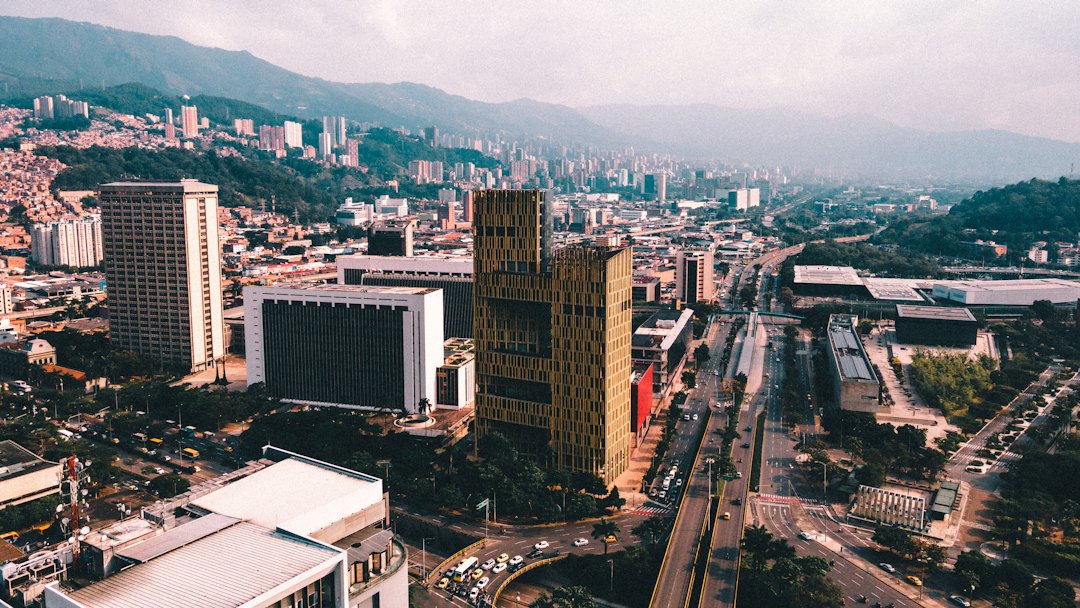
The Metro and Metrocable climb the valley sides to Santo Domingo; go to Comuna 13 with a local guide and take a day trip to Guatapé.
Photo: Guzman Pixels on Unsplash
View Full Gallery (3)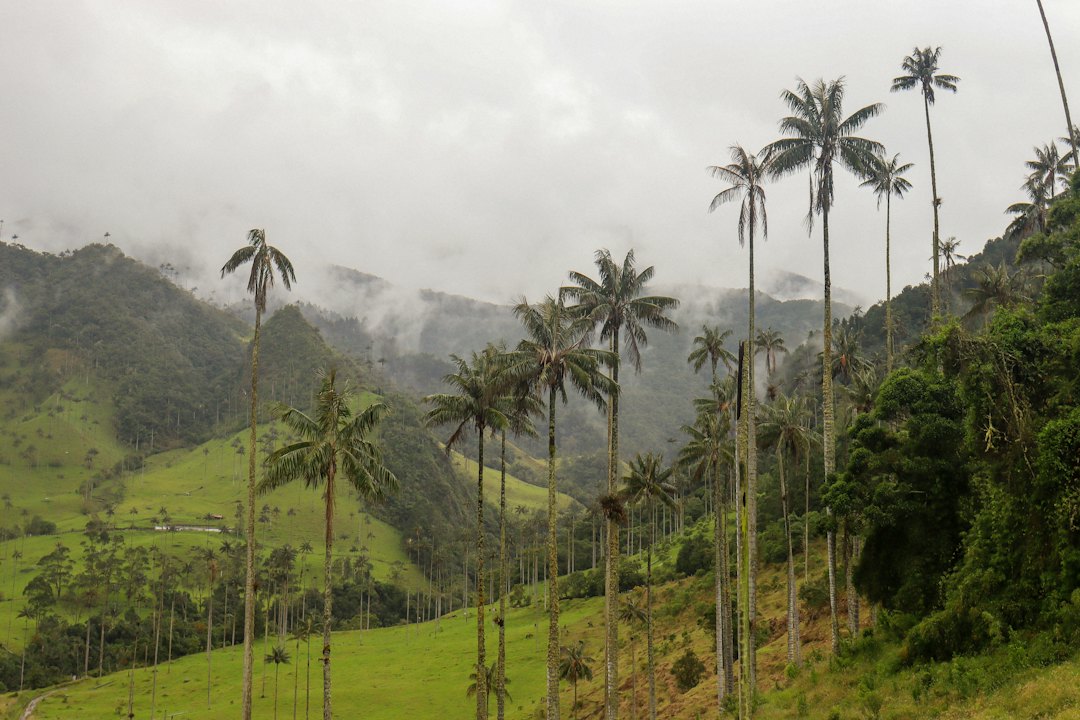
Overview
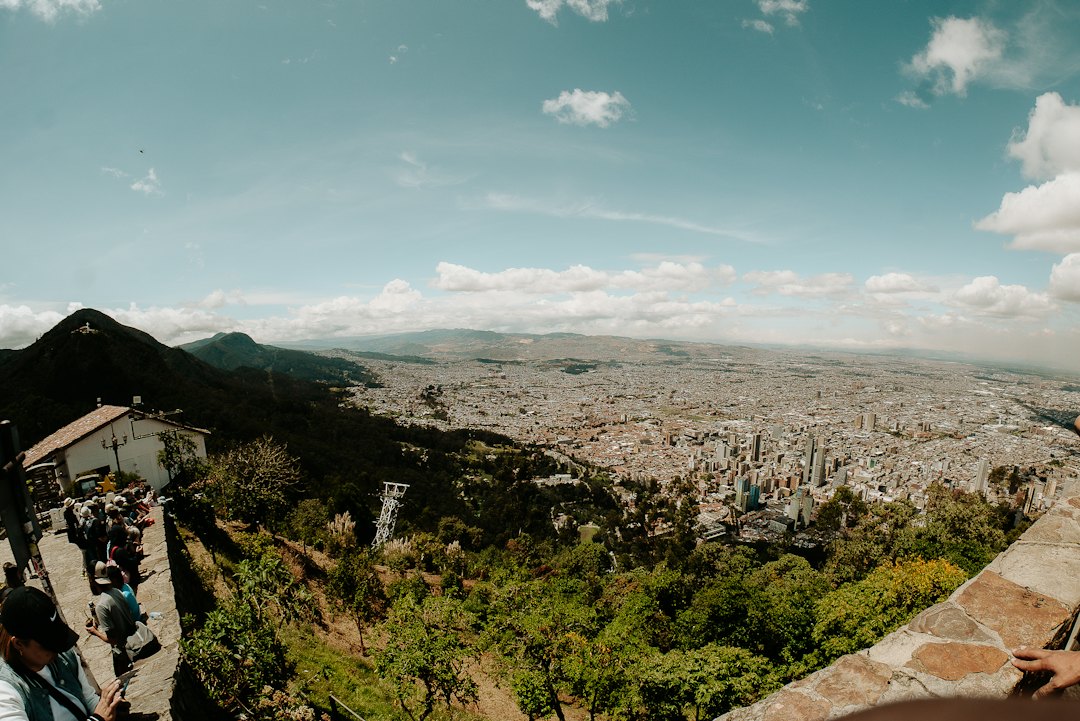
Colombia is a country best understood region by region: a cool Andean capital at 2,600 metres, a city of terraced hillsides that calls its climate eternal spring, coffee farms among wax palms taller than any tree you have seen, and a Caribbean coast that runs from walled Cartagena to the jungle beaches of Tayrona. It is cheaper than most of South America’s showpiece destinations, with a good lunch costing about $4 to $7 (≈ €3.57–6.25 / £3.15–5.51), and its reputation is years out of date.
The reputation is not entirely wrong, though, and the honest version is more useful than either the fear or the hype. Bogotá, Medellín and the coffee region are used to visitors and function well, but petty theft, phone snatching and drink spiking are real, particularly in nightlife districts and after dating-app meetings. Security varies sharply by region: some border zones and rural areas carry much stricter government warnings than the main tourist routes, so read your own government’s page for every place you plan to go. The practical lesson is to fly between regions (a flight costs less than a long bus and saves a day), use ride-hailing apps rather than hailing taxis in the street, and keep your phone in a pocket on the street. The dry seasons are December to March and July to August, and the Caribbean coast is best from December to April. Altitude in Bogotá can bring a headache on the first day.
The Metro and Metrocable climb the valley sides to Santo Domingo; go to Comuna 13 with a local guide and take a day trip to Guatapé.
Salento, the Valle de Cocora and nearby coffee fincas offer hiking, farm tours and some of the best mountain scenery in the country.
Tayrona’s beaches, Minca’s cloud forest and the colonial streets of Cartagena make a warm finish to the trip.
Best time
Best months for most visitors: Dec–Mar & Jul–Aug. Good weather, thinner crowds and fairer prices.
July and August are a second, shorter dry season in the Andean region and a good time for the coffee region, with school holidays bringing local crowds.
December to March is the main dry season in the Andes and on the Caribbean coast, and the busiest, with the highest prices around Christmas and New Year, Carnival in Barranquilla and Holy Week.
October and November are the wettest months in the Andes, with long, steady rain in Bogotá and Medellín and washed-out trails in the coffee region.
Booking window: reserve flights and stays 2–3 months ahead for Dec–Mar & Jul–Aug, and 4–6 months ahead for peak season (Jan, Dec).
Partner links. We earn a commission at no extra cost to you; sponsors never change a ranking or safety note. How we earn money →
Weather
Current temperature loads here when your browser can reach Open-Meteo.
Weather data: Open-Meteo Historical & Live API. A single reading for the main town or area, not the whole destination.
Peak season about 29°C / 84°F; shoulder season about 22°C / 72°F.
Rain: High in most regions; the Caribbean coast is drier in Dec–Mar.
Bogotá reaches about 19°C / 66°F by day, Medellín about 27 to 28°C / 81 to 82°F, and the Caribbean coast 30 to 32°C / 86 to 90°F with little rain.
Long, steady rain in the Andes, with Bogotá cool and grey and trails muddy. The Caribbean has heavy downpours from September to November.
Cartagena and Santa Marta book out early, so reserve rooms two to three months ahead.
April–June and September are in between: showers are common but short, and prices drop.
The Caribbean coast has a rainy season from about September to November, with heavy downpours but warm water.
Weather data: Open-Meteo Historical & Live API (live reading). Typical highs and season notes are our own summaries. How we verify →
Safety
Last updated: government levels come from our editor-verified table (October 2026). When the live UK FCDO check succeeds, its exact UTC time appears in the panel below. The banner takes the most cautious of the five agencies, so a live UK warning always outranks a green entry in our table and any part-country warning shows as red. We never show a level we haven’t checked. How we verify →
Government levels: editor-verified table, October 2026 How we verify →
Five official agencies, one view. Ratings change, so each pill opens the agency’s own page for today’s level.
Tier 3/5 · Increased caution. Exercise increased caution: security varies by region, and petty crime is common in cities.
The UK FCDO, US State Department and Australian DFAT all give Colombia strongly regional advice. Some border areas and rural zones carry much stricter warnings than the cities and the main tourist routes, and crime, including robbery and drink spiking, is a theme throughout. They also mention protests and road blockades that can close roads at short notice. Advice changes, so read each agency’s current Colombia page for the regions on your route.
Our plain-English summary of what the UK FCDO, US State Department, Australian Smartraveller, Japan MOFA and South Korea MOFA publish. We quote no live ratings from memory; each button above opens the agency's own page.
Our opinion, not an official warning
Regional nuance: Colombia’s advisories are strongly regional. Some border areas and rural zones carry much stricter warnings than the cities and the main tourist routes, so read your own government’s page for the places on your route.
The concerns that are real: In the cities, the realistic dangers are phone snatching, opportunistic theft and drink spiking, often linked to dating-app meetings or friendly strangers in bars, particularly in nightlife areas. Use ride-hailing apps, keep phones out of sight, and do not leave drinks unattended. Away from the main routes, security depends on the region, and local advice from your hotel or an operator matters.
What headlines overstate: Headlines about armed groups or protests usually describe particular regions or days, not the whole country. Most visitors on the main circuits (Bogotá, Medellín, the coffee region, the Caribbean coast) have trouble-free trips. Check your government’s page for each place and avoid overland travel in restricted areas.
Written by our editors from general travel knowledge and kept apart from the agencies above. How we verify →
Costs
Backpacker
$35 (≈ €30 / £30) per person per day
What it covers: Hostel dorm or simple room, almuerzo corriente (set lunch) for about $4 to $6 (≈ €3.57–5.36 / £3.15–4.72), public transport, a coffee tour or a few park entries. Domestic flights are extra.
Mid-Range (default)
$80 (≈ €70 / £65) per person per day
What it covers: Private room or boutique hotel, restaurant lunches and dinners, ride-hailing apps, guided tours and a domestic flight every few days.
Boutique
$180 (≈ €160 / £140) per person per day
What it covers: Boutique hotel or finca stay, private drivers, domestic flights, fine dining and a private guide. Cartagena and Medellín’s best hotels cost more.
Cost source: Audited Local Lodging Taxes, Rail Tariffs & Dining Averages (our own estimates, flights excluded). How we verify →
Source: Should I Go's own estimates, October 2026, in USD per person excluding international flights; euro figures are rough conversions. A couple shares a room, so accommodation drops 25% per person. Prices move, so treat these as a planning range, not a quote.
Estimated total: $0 (≈ €0 / £0)
Estimate in USD per trip, excluding international flights. Two or more travellers share rooms, so accommodation drops 25% per person. Budget and luxury tiers are scaled from the mid-range figure.
Cost source: Audited Local Lodging Taxes, Rail Tariffs & Dining Averages (our own estimates, flights excluded). How we verify →
Where to base yourself
La Candelaria, the Museo del Oro, Monserrate and the Zona G food scene, at 2,600 metres.
Metro and Metrocable, Comuna 13 and a day trip to the Piedra del Peñol.
Salento, the Valle de Cocora and fincas around Armenia, Pereira and Manizales.
Cartagena, Santa Marta, Tayrona and Minca; the hot, humid part of the country.
Itineraries
Getting between stops: Fly between the two cities (about 1 hour, from roughly $30 to $60 (≈ €25–55 / £25–45) if booked ahead). Use the Metro and ride-hailing apps in Medellín; use ride-hailing in Bogotá at night.
Getting between stops: Medellín to Salento is about 5 to 6 hours by road, or fly to Pereira or Armenia and take a bus or taxi to Salento. Jeeps (willys) run from Salento’s plaza to the Cocora trailhead.
Getting between stops: Fly Medellín to Santa Marta or Cartagena (about 1 hour 15 minutes). Santa Marta to Cartagena is about 4 to 5 hours by bus. Check Tayrona’s closure dates before booking.
Routes and timetables change. Confirm transit times with the operator before you book.
Do and stay
Best for: Comfort and walkability
Pros: Poblado has the most hotels, restaurants and cafés; Laureles is quieter, flatter and more local, with a good café and restaurant scene. Both are near the Metro, taxis and ride-hailing apps.
Watch for: Poblado’s nightlife strip has the city’s highest rates of drink spiking and scams, and tourist pricing. Laureles has fewer rooms and some evenings are very quiet.
Best for: History and food
Pros: La Candelaria has colonial lanes, the Museo del Oro and street art within walking distance; Chapinero and Zona G have the best restaurants and bars, with safer streets after dark.
Watch for: La Candelaria is not a place to wander at night or with a visible phone, and the area has cheap, noisy hostels. Chapinero is a taxi ride from the main sights.
Best for: Coffee and hikes
Pros: A small, colourful mountain town with coffee farms and the Valle de Cocora a short jeep ride away. Fincas around the area offer lodging with views and meals.
Watch for: Busy at weekends and holidays, with limited nightlife and a long drive from the airport at Pereira or Armenia. Rain and mud are common in wet months.
These are partner links. We may earn a commission at no extra cost to you.
Trade-offs
Final verdict
Editorial opinion from Should I Go, written from general travel knowledge and reviewed periodically. Verify prices, entry rules and advisories before you book.
Typical costs and rules change; confirm with official sources before you travel.
Millions of visitors travel the main routes without trouble, but safety varies by region and by what you do. The main risks are petty theft, phone snatching and drink spiking in cities, and stricter security issues in some border and rural areas. Read your own government’s current advice for each region, use ride-hailing apps and stay alert at night.
Ten to fourteen days covers Bogotá, Medellín, the coffee region and either Cartagena or Tayrona, using domestic flights. Three weeks lets you add the Caribbean coast properly or Santa Marta and La Guajira. Colombia is large and mountainous, so travel time eats days.
December to March is the main dry season for most regions and the best time for the Caribbean coast. July and August are a second dry window in the Andes and a good time for the coffee region. April–May and October–November bring the heaviest rain in the mountains.
Get live weather, activities, travel advisories, and personalised tips for Colombia
Check Colombia Now →Have you visited Colombia? Was it worth it? Readers can vote: Worth Every Penny, Great in Shoulder Season Only, or Overrated / Skip It.