Lake Wakatipu and the Remarkables
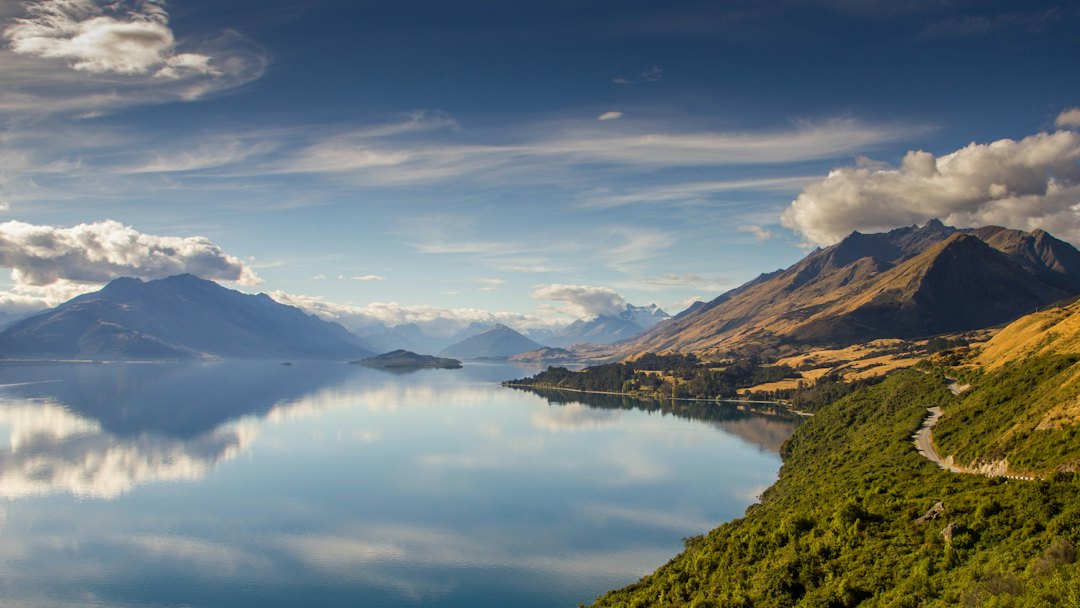
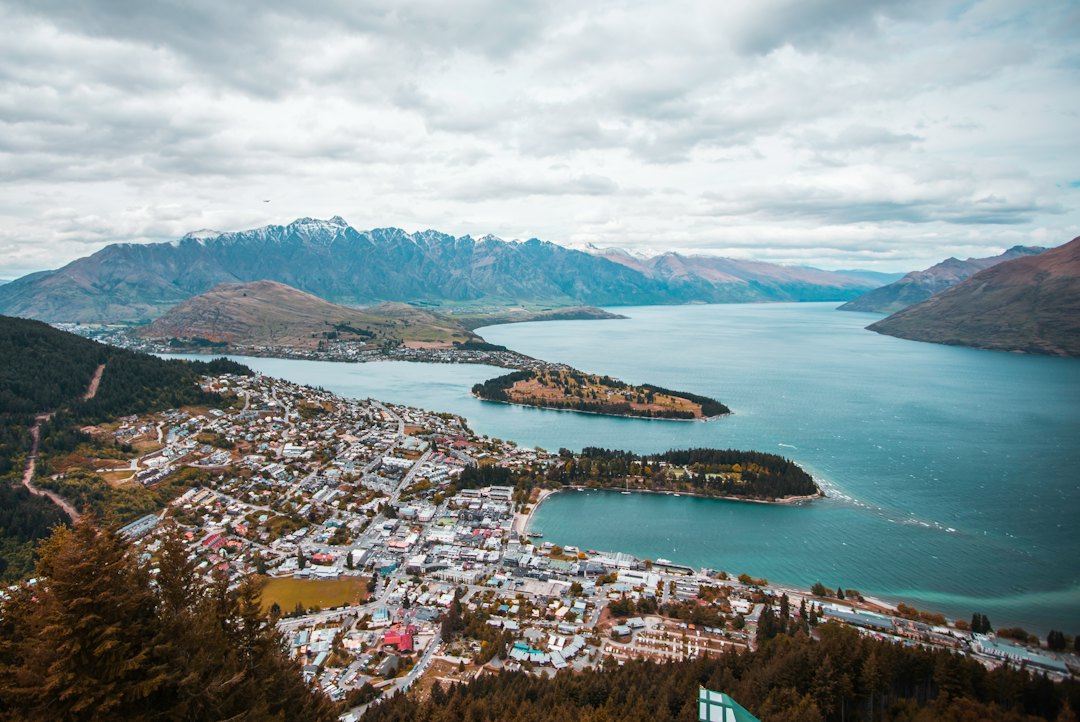
The lakefront, the gondola and the road along the shore give the best views of the alpine range, mostly for free.
Photo: Andreas Sjovall on Unsplash
Photo: Michael Amadeus on Unsplash
View Full Gallery (3)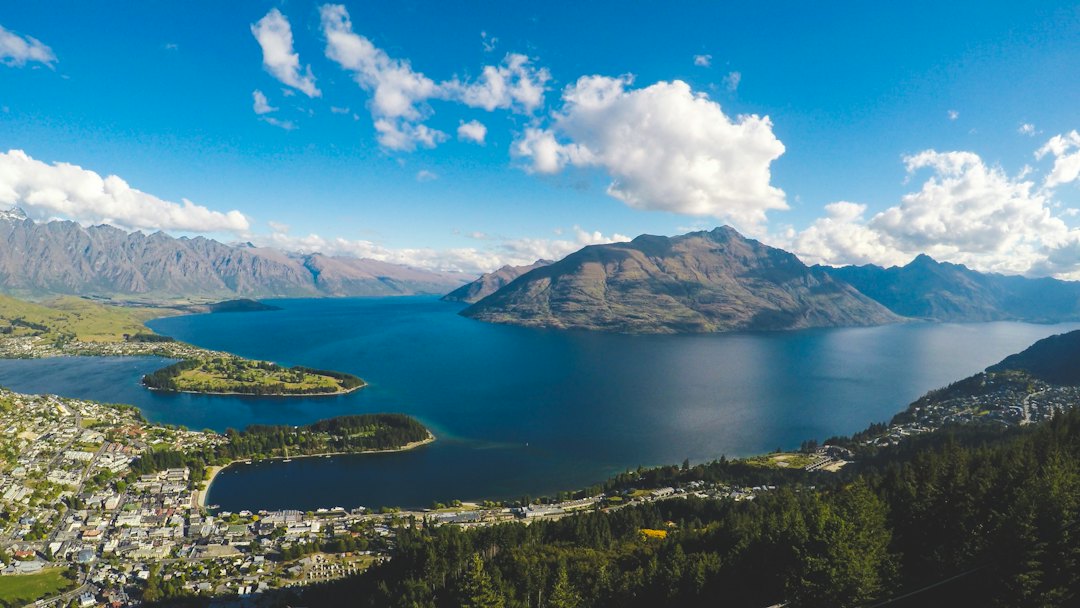
Overview
Queenstown sells adrenaline and delivers scenery, and the second is the better deal. The town sits on Lake Wakatipu beneath the Remarkables, a range with the kind of jagged skyline people photograph from their hotel balcony. It is also the world’s best-known bungy town, with the Kawarau Bridge, where the first commercial bungy operation began in 1988, a short drive away. You can jump, jet-boat or paraglide if you like. You can also sit by the lake and watch the light change on the mountains for free.
The real excursion is Milford Sound, the fiord reached from Queenstown on a very long day trip by road, coach or air. Cruises sell out and the early-morning departures are the most reliable for clear light and fewer crowds, so book three or more weeks ahead. Around town, Arrowtown has gold-rush history, and Central Otago’s vineyards make some of New Zealand’s best Pinot Noir. The honest limits are cost and sea: dining and activities are expensive, and the water is a cold lake, not a tropical ocean. Summer highs are about 22°C / 72°F (72°F) in crisp sunshine; late December to February is peak, November to early December is the sweet spot, and winter belongs to skiers. Central parking fines are enforced. All prices and rules here are approximate, written from general knowledge, and need checking.
The lakefront, the gondola and the road along the shore give the best views of the alpine range, mostly for free.
A long day trip and a cruise through the fiord. Book an early-morning departure three or more weeks ahead.
A gold-rush village in autumn colours and the nearby vineyards of Central Otago make an easy half-day.
Best time
Best months for most visitors: Nov–early Dec. Good weather, thinner crowds and fairer prices.
November to early December is the sweet spot: fresher air, spring blossom and fewer visitors.
Late December to February is the busiest, with highs around 22°C / 72°F (72°F), long days and crisp sun.
June brings cold weather, snow and the ski season; October is a changeable shoulder with cool days.
Booking window: reserve flights and stays 2–3 months ahead for Nov–early Dec, and 4–6 months ahead for peak season (Jan–Feb, Dec).
Partner links. We earn a commission at no extra cost to you; sponsors never change a ranking or safety note. How we earn money →
Weather
Current temperature loads here when your browser can reach Open-Meteo.
Weather data: Open-Meteo Historical & Live API. A single reading for the main town or area, not the whole destination.
Peak season about 22°C / 72°F; shoulder season about 14°C / 57°F.
Rain: Moderate; showers can come in any season, with snow on the mountains in winter.
Highs around 22°C / 72°F (72°F) in crisp sun, with cool mornings and evenings and quick weather changes.
Cold, snowy conditions suit skiers; check road conditions on the Milford Road and elsewhere.
Rooms, rental cars and Milford Sound cruises sell out early, and prices are at their highest. Book weeks to months ahead.
March to April brings autumn colour, especially around Arrowtown, and good light.
Rooms are cheaper, but you must plan around the weather and check road conditions.
Weather data: Open-Meteo Historical & Live API (live reading). Typical highs and season notes are our own summaries. How we verify →
Safety
Last updated: government levels come from our editor-verified table (October 2026). When the live UK FCDO check succeeds, its exact UTC time appears in the panel below. The banner takes the most cautious of the five agencies, so a live UK warning always outranks a green entry in our table and any part-country warning shows as red. We never show a level we haven’t checked. How we verify →
Government levels: editor-verified table, October 2026 How we verify →
Five official agencies, one view. Ratings change, so each pill opens the agency’s own page for today’s level.
Tier 4/5 · Standard caution. Normal precautions: mountain weather, adventure-sport risks, road closures and car break-ins at car parks.
The UK FCDO, US State Department and Australian DFAT publish pages for New Zealand; the advice for visitors generally concerns natural hazards (earthquakes, volcanic activity, rapid weather changes), road safety and outdoor risks rather than crime. Read the current pages before you book, and again before you travel, because wording and levels change.
Our plain-English summary of what the UK FCDO, US State Department, Australian Smartraveller, Japan MOFA and South Korea MOFA publish. We quote no live ratings from memory; each button above opens the agency's own page.
Our opinion, not an official warning
Regional nuance: New Zealand’s pages at the UK FCDO, US State Department and Australia’s Smartraveller typically focus on natural hazards, road safety and outdoor activities. None is specific to Queenstown. Check each agency’s current New Zealand page before you travel.
The concerns that are real: The practical risks are mountain weather, driving on unfamiliar and winding roads, adventure-sport accidents and car break-ins at trailhead and viewpoint car parks. Central parking fines are a nuisance rather than a danger. Check road status before the Milford Road, which can close in bad weather.
What headlines overstate: Headlines about adventure-sports accidents and landslides describe real events, but most visitors have trouble-free trips. Book reputable operators, check conditions and leave nothing visible in your car.
Written by our editors from general travel knowledge and kept apart from the agencies above. How we verify →
Costs
Backpacker
$75 (≈ €65 / £60) per person per day
What it covers: A hostel dorm bed, supermarket meals, free walks and the local bus.
Mid-Range (default)
$170 (≈ €150 / £135) per person per day
What it covers: A hotel or apartment room shared by two, restaurant meals, a Milford Sound cruise and a rental car.
Boutique
$370 (≈ €330 / £290) per person per day
What it covers: A lakeside or mountain lodge, fine dining, helicopter or scenic flights and private guides.
Cost source: Audited Local Lodging Taxes, Rail Tariffs & Dining Averages (our own estimates, flights excluded). How we verify →
Source: Should I Go's own estimates, October 2026, in USD per person excluding international flights; euro figures are rough conversions. A couple shares a room, so accommodation drops 25% per person. Prices move, so treat these as a planning range, not a quote.
Estimated total: $0 (≈ €0 / £0)
Estimate in USD per trip, excluding international flights. Two or more travellers share rooms, so accommodation drops 25% per person. Budget and luxury tiers are scaled from the mid-range figure.
Cost source: Audited Local Lodging Taxes, Rail Tariffs & Dining Averages (our own estimates, flights excluded). How we verify →
Where to base yourself
Lakefront restaurants, activities, the gondola and the airport bus.
A residential hillside with lake views and good-value rooms.
Gold-rush streets, autumn colour and vineyards nearby.
A very long day trip by road, coach or air; book cruises well ahead.
Itineraries
Getting between stops: Orbus Route 1 links the airport and the Town Centre in about 20 minutes. Central parking fines are enforced, so use paid or free car parks carefully.
Getting between stops: Book early-morning Milford Sound cruises three or more weeks ahead; check road status and weather the night before.
Getting between stops: A rental car makes this loop easier; check the weather and road status each morning.
Routes and timetables change. Confirm transit times with the operator before you book.
Do and stay
Best for: First-timers and car-free travellers
Pros: Restaurants, lake access, the gondola and activities within walking distance.
Watch for: Pricey and busy at night, with parking fines if you drive.
Best for: Good-value rooms and lake views
Pros: A residential area above the town with hotels, apartments and views, a short ride from the centre.
Watch for: Steep walks and a bus or short drive into town.
Best for: A quieter base with history
Pros: A pretty gold-rush village with autumn colour and good food, close to vineyards.
Watch for: A drive from the lake, with fewer late-night options.
These are partner links. We may earn a commission at no extra cost to you.
Trade-offs
Final verdict
Editorial opinion from Should I Go, written from general travel knowledge and reviewed periodically. Verify prices, entry rules and advisories before you book.
Typical costs and rules change; confirm with official sources before you travel.
Three to five days cover the lake, one adventure, wineries and a Milford Sound day. Add more if you want to hike or ski.
November to early December is the sweet spot. Late December to February is peak, with highs around 22°C / 72°F (72°F), and winter belongs to skiers.
Yes, ideally three or more weeks ahead for early-morning cruises, especially in peak season. Weather can disrupt roads and flights, so keep a spare day.
Get live weather, activities, travel advisories, and personalised tips for Queenstown, New Zealand
Check Queenstown, New Zealand Now →Have you visited Queenstown, New Zealand? Was it worth it? Readers can vote: Worth Every Penny, Great in Shoulder Season Only, or Overrated / Skip It.