Rome's layered centre
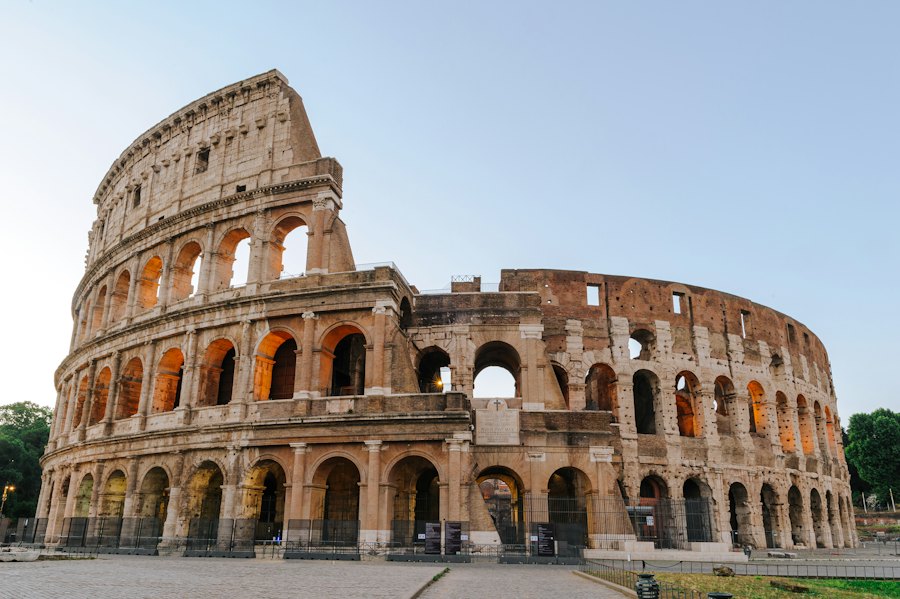
Colosseum, Forum and Pantheon within walking distance, plus Trastevere's evening streets.
Photo: Matteo del Piano on Unsplash
Photo: Jason Hudson on Unsplash
View Full Gallery (3)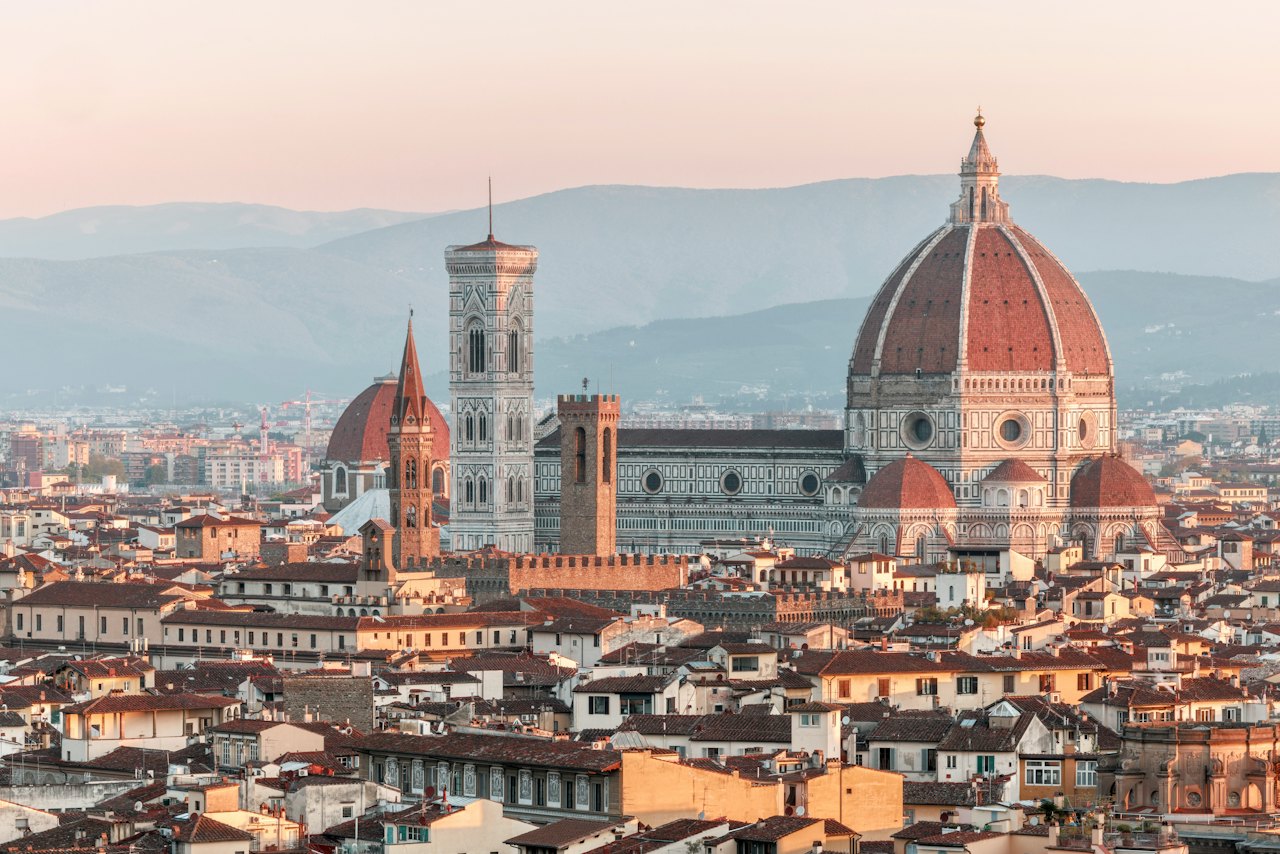
Overview
Italy is a country you plan by region rather than by list, and the usual mistake is trying to see all of it in ten days. Rome, Florence and Venice are the classic triangle, and they are close enough by fast train to link without a car, but each deserves two or three nights of its own.
The honest case for Italy is that the second-tier choices often beat the famous ones. Skip the queue at the Uffizi's busiest hour and spend the time in Oltrarno workshops; take the regional train to Bologna for lunch; pick the Dolomites in September over the Adriatic in August. Fast trains between Rome, Florence and Venice cost from about $22–67 (€20 to €60; ≈ £17–53) if booked early, and a coffee at the bar costs about $1.70 (€1.50; ≈ £1.34) standing. Book timed entry for the Colosseum, Vatican and Uffizi, and expect cover charges on restaurant tables. Heat and crowds peak from July to August, and spring and early autumn are kinder on both.
Colosseum, Forum and Pantheon within walking distance, plus Trastevere's evening streets.
The Duomo, Uffizi and Oltrarno workshops, then a day among Tuscan hills.
The canals are better at 7am. Explore Cannaregio, then cross to Burano or Torcello.
Best time
Best months for most visitors: Apr–May & Sep–Oct. Good weather, thinner crowds and fairer prices.
April to June and September to October are the best months for most trips.
July and August are the hottest and busiest months, with city highs often above 32°C / 90°F and sea resorts at their fullest.
November to March is cooler and often wet, with fog in the north and snow in the Alps and Dolomites.
Booking window: reserve flights and stays 2–3 months ahead for Apr–May & Sep–Oct, and 4–6 months ahead for peak season (Jun–Aug).
Partner links. We earn a commission at no extra cost to you; sponsors never change a ranking or safety note. How we earn money →
Weather
Current temperature loads here when your browser can reach Open-Meteo.
Weather data: Open-Meteo Historical & Live API. A single reading for the main town or area, not the whole destination.
Peak season about 31°C / 88°F; shoulder season about 20°C / 68°F.
Rain: Moderate; wetter in autumn and winter.
Hot, dry summers and mild winters. Spring and autumn are the best months.
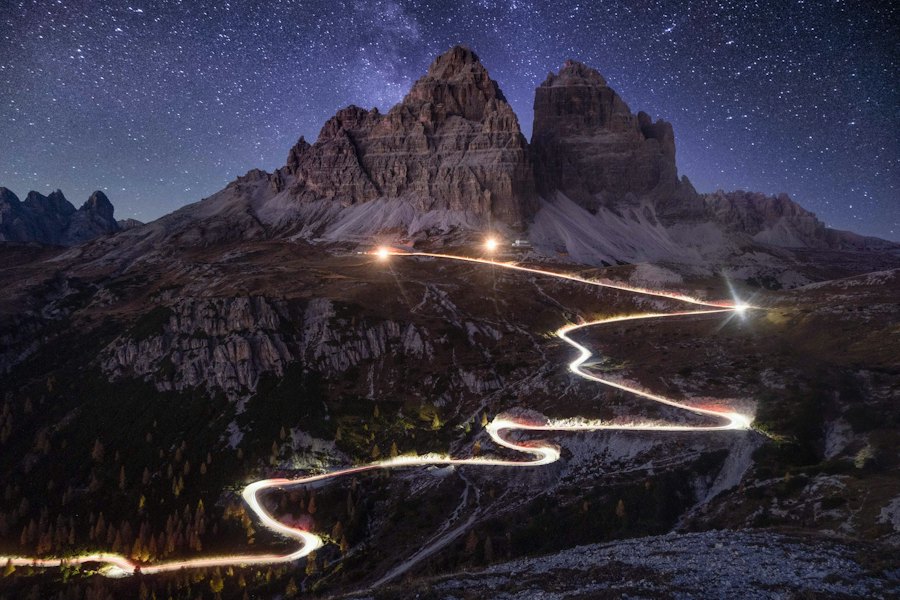
Cooler, with snow from December. Lakes and Dolomites peak in June and September.
Prices rise by a third or more, and many locals leave the cities in mid-August, closing small restaurants. Book hotels and key sights three to four months ahead.
Expect 15 to 26°C / 59 to 79°F in the cities, wildflowers in the Dolomites in June, and warm seas in September. May and September are the sweet spot: long light, open terraces and fewer tour groups than in July.
Museums are calm and rooms cheap, especially in Rome and Florence, while many beach and lake hotels close. Ski season runs from December to March.
Weather data: Open-Meteo Historical & Live API (live reading). Typical highs and season notes are our own summaries. How we verify →
Safety
Last updated: government levels come from our editor-verified table (October 2026). When the live UK FCDO check succeeds, its exact UTC time appears in the panel below. The banner takes the most cautious of the five agencies, so a live UK warning always outranks a green entry in our table and any part-country warning shows as red. We never show a level we haven’t checked. How we verify →
Government levels: editor-verified table, October 2026 How we verify →
Five official agencies, one view. Ratings change, so each pill opens the agency’s own page for today’s level.
Tier 4/5 · Standard caution. Normal precautions: pickpockets in tourist areas, summer heat and occasional transport strikes.
The UK FCDO, US State Department and Australian DFAT generally describe Italy as a low-risk destination where normal precautions apply. Their advice usually mentions petty crime in tourist areas, occasional strikes and demonstrations, and natural hazards such as earthquakes and volcanic activity around Etna and Naples. Advice changes, so check each agency's current Italy page before you book.
Our plain-English summary of what the UK FCDO, US State Department, Australian Smartraveller, Japan MOFA and South Korea MOFA publish. We quote no live ratings from memory; each button above opens the agency's own page.
Our opinion, not an official warning
Regional nuance: Advice for Italy is national and routine: petty crime in tourist areas, heat in summer, and seismic and volcanic notes for the south. Strikes can disrupt trains, metros and flights for a day, so check dates before you travel. The UK FCDO (29 October 2026) also flags violent riots and looting during recent demonstrations in northern cities, and a national strike on 29–30 October.
The concerns that are real: Pickpocketing is the main issue: on the Rome metro and buses, at Termini and Santa Maria Novella stations, and in crowds around the Duomo and St Mark's. Keep phones in front pockets and bags closed. Unlicensed taxis, overpriced tourist restaurants and street sellers tying bracelets on wrists are other nuisances.
What headlines overstate: Headlines about strikes (scioperi) usually mean a day of disrupted trains, metros or flights, not danger. Check the strike calendar before travelling and keep a walking plan as backup.
Written by our editors from general travel knowledge and kept apart from the agencies above. How we verify →
Costs
Backpacker
$90 (≈ €80 / £70) per person per day
What it covers: Hostel dorm or budget room, bakery and pizza al taglio meals, regional trains and city buses, free churches and piazzas, and one paid sight.
Mid-Range (default)
$200 (≈ €180 / £155) per person per day
What it covers: Three- or four-star hotel or apartment shared by two, trattoria lunches and dinners with wine, timed tickets for the Colosseum, Uffizi or Vatican, and a fast train between cities.
Boutique
$440 (≈ €390 / £350) per person per day
What it covers: Five-star or design hotel, tasting-menu dinners, private guides for the main museums, and car transfers between cities.
Cost source: Audited Local Lodging Taxes, Rail Tariffs & Dining Averages (our own estimates, flights excluded). How we verify →
Source: Should I Go's own estimates, October 2026, in USD per person excluding international flights; euro figures are rough conversions. A couple shares a room, so accommodation drops 25% per person. Prices move, so treat these as a planning range, not a quote.
Estimated total: $0 (≈ €0 / £0)
Estimate in USD per trip, excluding international flights. Two or more travellers share rooms, so accommodation drops 25% per person. Budget and luxury tiers are scaled from the mid-range figure.
Cost source: Audited Local Lodging Taxes, Rail Tariffs & Dining Averages (our own estimates, flights excluded). How we verify →
Where to base yourself
Ancient sights and food. The big first stop.
Renaissance art and rolling hills. Use trains for day trips.
Canals, lagoon islands and gateway to the Dolomites.
Cliff villages and Naples. Slower, hotter and more rugged.
Itineraries
Getting between stops: High-speed Frecciarossa and Italo trains, about 1.5 hours Rome–Florence and 2 hours Florence–Venice.
Getting between stops: Train from Rome to Naples in about 1 hour 10 minutes; ferries or buses to the coast.
Getting between stops: Regional trains plus buses in the mountains; skip the car in cities.
Routes and timetables change. Confirm transit times with the operator before you book.
Do and stay
Best for: First-timers
Pros: Most sights are within walking distance and evenings are the best time in the alleys. Monti has good cafés near the Colosseum.
Watch for: Central rooms are small and costly, and tourist-menu restaurants cluster around the Pantheon and Navona.
Best for: Food and craft workshops
Pros: A short walk from the Duomo across the Arno, with artisan studios, wine bars and quieter streets after dark.
Watch for: Fewer big-name hotels, and the walk back at night is uphill in places.
Best for: Local feel on a budget
Pros: Quieter canals, local bars and the Jewish Ghetto, within a walk of the train station and St Mark's.
Watch for: Water-bus fares add up, and rooms in the old town cost far more than on the mainland at Mestre.
These are partner links. We may earn a commission at no extra cost to you.
Trade-offs
Final verdict
Editorial opinion from Should I Go, written from general travel knowledge and reviewed periodically. Verify prices, entry rules and advisories before you book.
Typical costs and rules change; confirm with official sources before you travel.
Ten days covers Rome, Florence and Venice at a sensible pace, with two or three nights each and fast trains between them. Two weeks adds either the Amalfi Coast or the Dolomites. Choose depth over distance: Italy rewards fewer bases.
Train for the big cities. High-speed Frecciarossa and Italo services link Rome, Florence, Venice and Milan in two to four hours. Hire a car only for rural Tuscany, Puglia or Sicily, and never plan to drive inside historic centres, which are limited-traffic zones that can bring fines.
November, January and February are the cheapest, with rooms often 30 to 40 percent below summer rates, but weather is cool and some coastal places close. March and late October offer a middle path with lower prices and open sights.
Get live weather, activities, travel advisories, and personalised tips for Italy
Check Italy Now →Have you visited Italy? Was it worth it? Readers can vote: Worth Every Penny, Great in Shoulder Season Only, or Overrated / Skip It.