The short answer: pick the place with the shortest risk list
For a family, the safest destination is the one where the likeliest problem is a stolen phone, not a closed road. Seven places meet that test on our evidence: Portugal, Croatia, Japan, New Zealand, the Swiss Alps, Singapore and Vienna. Each scores 5 out of 5 on our safety scale, and each has a risk list that is mostly weather, petty theft and the occasional natural hazard.
Safety is not the same as ease. A place can be very safe and still tiring with a toddler. We cover safety here, with costs and months, and leave the rest to your own children. All prices are our own mid-range estimates per person per day, flights excluded, as of October 2026.
A note on our scale. Safety runs from 1 to 5, where 5 is the lowest risk, and it is our own editorial judgement drawn from each place's advisory summary and street-level risks. It is not an agency rating. Crowds run from 1 (quiet) to 5 (overtourism at peak), also our own estimate.
How we vetted them
We use a five-government method. For each place we read the advice from the UK FCDO, the US State Department, Australia's Smartraveller, Japan's MOFA and South Korea's 0404.go.kr, and we pair it with our own notes on regional nuance and street-smart reality. The site's verified table (October 2026) lists Portugal, Croatia, Japan, Singapore, New Zealand, Switzerland and Austria at the lowest tier with all five agencies we track.
We do not copy live advisory levels into articles, because they change within days. Open the five agency links on each destination page before you book, and again a week before you travel. Where we cannot say something with confidence, the answer is the same: check the agencies.
Our shortlist excludes places where the verified table shows increased-caution markers from one or more agencies, even where we like the destination. That is why Italy and France are not on this list, and why we chose Vienna over Paris.
| Destination | Safety (1 to 5) | Mid-range per person per day | Best months | Main practical risk |
|---|---|---|---|---|
| Portugal | 5 | $120 (≈ €105 / £95) | Apr–Jun & Sep–Oct | Petty theft in Lisbon and Porto |
| Croatia | 5 | $140 (≈ €125 / £110) | May–Jun & Sep | Summer heat, wildfire risk, slippery rocks |
| Japan (Tokyo) | 5 | $150 (≈ €135 / £120) | Mar–May & Oct–Nov | Earthquakes, typhoons, rush-hour crowds |
| New Zealand | 5 | $190 (≈ €170 / £150) | Dec–Feb, or Mar–Apr & Nov | Car break-ins, narrow roads, fast weather |
| Swiss Alps | 5 | $300 (≈ €270 / £240) | Jun–Sep & Dec–Mar | Mountain weather, avalanche risk, high costs |
| Singapore | 5 | $200 (≈ €180 / £155) | Feb–Apr & Jun–Aug | Heat, dengue, strict laws |
| Vienna | 5 | $150 (≈ €135 / £120) | Apr-Jun & Sep-Oct | Pickpockets, ticket touts |
Europe: Portugal, Croatia and Vienna
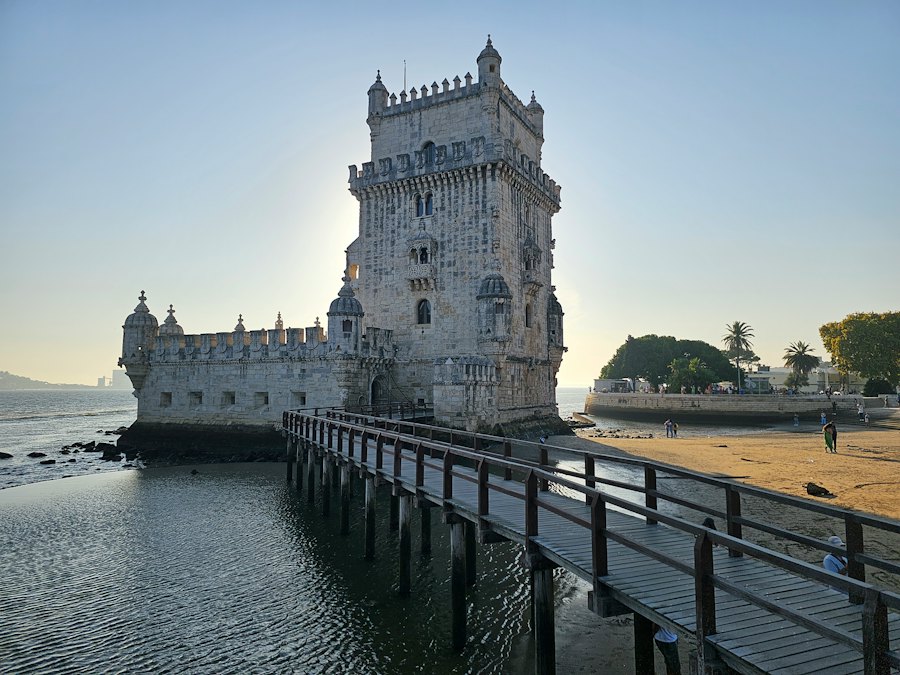
Portugal (about $120 (≈ €105 / £95) a day): Lisbon's metro from the airport reaches the centre in under 25 minutes for about $2 (€1.75; ≈ £1.55), which keeps a first day short. Petty theft is the main nuisance, on Tram 28 and in crowded Alfama and Baixa. Tap water is safe, trains link Lisbon and Porto, and the Algarve's warm sea runs June to September.
Croatia (about $140 (≈ €125 / £110) a day): Island hopping by ferry and clear water make a good week, and our page calls it safe and welcoming. The hazards are practical: wildfires and extreme heat in peak summer, sea-urchin injuries and slippery rocks at swimming spots, and landmines in a few former conflict areas far from the coast (stay on marked paths if you hike inland). Ferries sell out in summer.
Vienna (about $150 (≈ €135 / £120) a day): Calm, clean and well connected, with an airport train of about 25 minutes. Pickpockets at busy sights and on the metro are the main complaint, along with costumed ticket touts around Stephansplatz. Tap water comes from alpine springs and is excellent.
Further afield: Japan, New Zealand and Singapore
Japan (about $150 (≈ €135 / £120) a day in Tokyo, $170 (≈ €150 / £135) in Kyoto): Very low street crime and trains that run to the minute. The risks are natural hazards, earthquakes and typhoons, not crime, plus rush-hour crowding. The airports are 40 to 80 minutes from central Tokyo, and the rail network is the most reliable in the world. The cost is price and crowds in blossom and autumn-colour weeks.
New Zealand (about $190 (≈ €170 / £150) a day): The country sits on earthquake and volcanic zones and mountain weather changes fast, but monitoring and public guidance are good. The most common problem for visitors is theft from parked rental cars at trailheads and car parks; take everything with you. Road crashes involving tired overseas drivers on narrow roads are the other one. Tap water is safe nearly everywhere; sandflies bite.
Singapore (about $200 (≈ €180 / £155) a day): No areas to avoid, tap water is safe, and the airport has an MRT station about 40 to 45 minutes from the city. The practical issues are tropical heat, dengue (use repellent) and strict laws, including severe penalties for drug offences and rules on vaping. Everyone needs the free SG Arrival Card within three days of arrival.
The Swiss Alps, and what safe does not cover
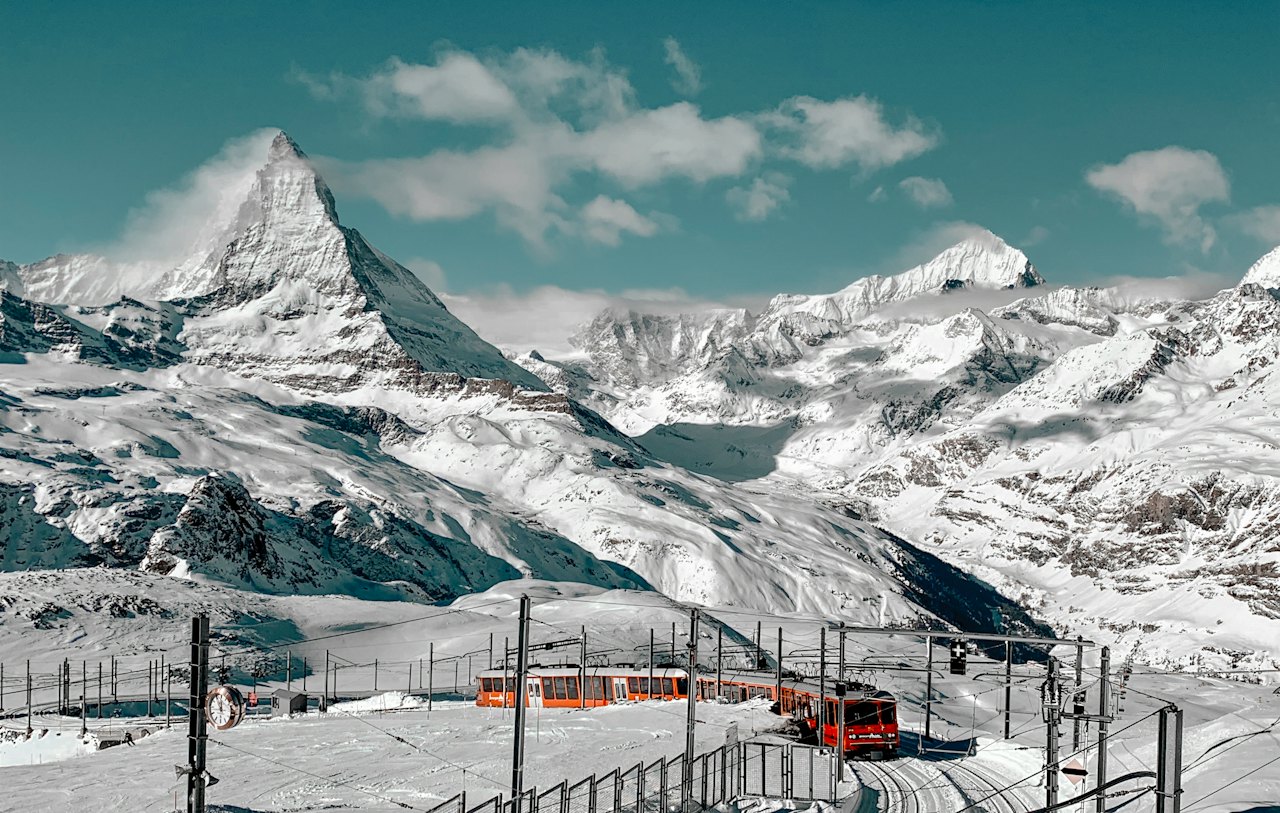
The Swiss Alps (about $300 (≈ €270 / £240) a day): Advice centres on mountain hazards, not crime: fast-changing weather, lingering snow and avalanche risk on high routes. Make sure your insurance covers mountain rescue, since helicopter evacuation can be costly. Trains are reliable and tap and fountain water is safe, but it is the most expensive place on this list at about $300 (≈ €270 / £240) a day.
What a safety score cannot tell you: whether a six-year-old will cope with a seven-hour Shinkansen day, whether your mid-range budget stretches to a family room, or whether the weather will close the trail you planned. Plan shorter days than you think, book a base for several nights, and get travel insurance that covers medical care and, for the Alps and New Zealand, mountain rescue or adventure activities.
If you are comparing two, compare Portugal and Croatia or Tokyo and Iceland. For the solo and couple view of the same places, see safest destinations for solo female travellers.
Safest family destinations: frequently asked questions
What is the safest destination for a family?
On our scale, Portugal, Croatia, Japan, New Zealand, the Swiss Alps, Singapore and Vienna all score 5 out of 5. The right choice depends on flight time, budget and season more than on safety. Check the five agency pages for each place before you book.
Which of these is cheapest?
Portugal, at about $120 (≈ €105 / £95) a day mid-range per person on our October 2026 estimates, then Vienna at about $150 (≈ €135 / £120) and Croatia at about $140 (≈ €125 / £110). The Swiss Alps are the most expensive at about $300 (≈ €270 / £240).
How do you check government travel advice?
Read the UK FCDO, US State Department, Australian Smartraveller, Japan MOFA and South Korea 0404.go.kr pages for your destination. Each of our destination pages links all five. Do it before booking and again a week before you travel.
Do I need travel insurance for a family trip?
We recommend it for any trip. For the Swiss Alps and New Zealand, make sure the policy covers mountain rescue and any adventure activities you plan.